The escalating conflict in Ukraine is forcing NATO allies, particularly the United Kingdom, to reconsider their defence strategies amid warnings that Russia’s mounting war losses are driving it toward increasingly reckless and dangerous behavior. The UK’s foreign secretary has issued a stark call for enhanced military preparedness, signaling a potential surge in defence spending to counter what is seen as a growing threat from Moscow.
Rising Concerns Over Russia’s Military Conduct
NATO officials have expressed deep alarm over Russia’s conduct in the ongoing conflict, emphasizing that the Kremlin’s significant battlefield setbacks have not led to restraint. Instead, Russia appears more desperate and willing to take greater risks, raising the stakes for European security. This recklessness could manifest in unpredictable military actions that threaten regional stability and global peace.
The foreign secretary of the United Kingdom underscored this threat, describing Russia’s approach as “reckless” and warning that all nations must “face up to the need to do much more” in response. This rhetoric highlights a shift from previous caution toward a more assertive posture among NATO members, reflecting the urgent necessity to bolster collective defence capabilities.
UK’s Defence Spending: A Strategic Pivot
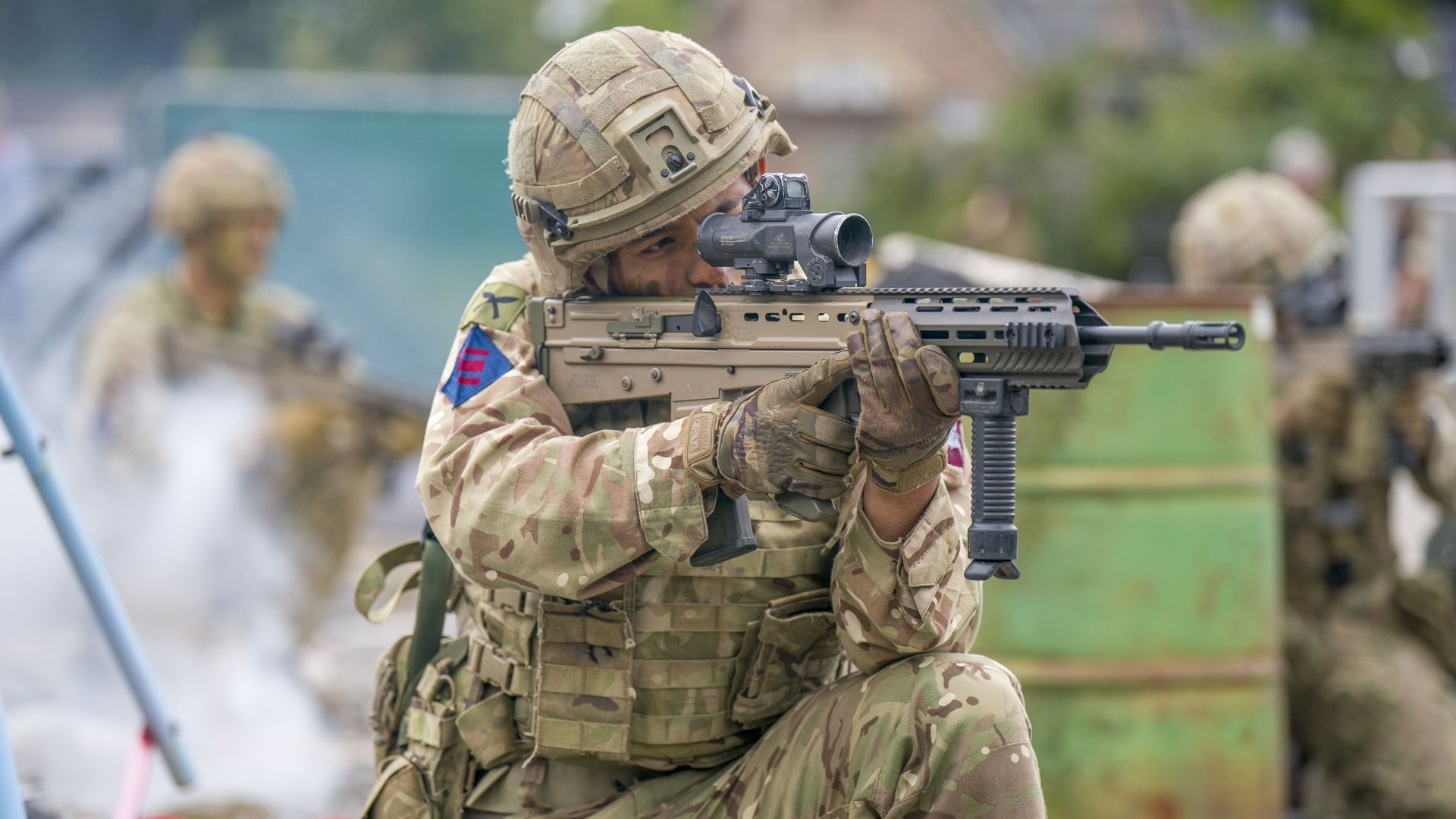
The UK government’s indication of increased defence expenditure marks a significant pivot in response to the evolving geopolitical landscape. While the UK has maintained considerable military capabilities, the foreign secretary’s remarks suggest a recognition that current levels may no longer suffice in deterring or countering Russia’s aggressive maneuvers.
This prospective boost in defence spending could encompass a range of initiatives, including enhanced military readiness, acquisition of advanced weaponry, and expanded support for NATO operations. It may also accelerate investments in cyber defence and intelligence gathering, areas increasingly vital in modern conflict scenarios.
Such a move aligns with broader NATO efforts to strengthen the alliance’s eastern flank, which has been under heightened pressure since Russia’s invasion of Ukraine. By committing to greater defence funding, the UK aims to send a clear message of deterrence while reassuring allies in Eastern Europe of its steadfast support.
Why This Matters: Implications for Global Security
The warning from NATO and the UK’s planned defence enhancements carry significant implications for international security and diplomacy. Russia’s apparent willingness to escalate conflict despite mounting losses introduces a volatile element that could destabilize the region further.
For NATO, this means recalibrating defence postures to manage a more unpredictable adversary. The UK’s commitment to increasing military resources underscores the urgency of this recalibration, emphasizing the importance of solidarity and preparedness among alliance members.
Moreover, the situation highlights the broader challenge faced by Western nations in balancing deterrence with diplomatic efforts to resolve the conflict. The potential increase in defence spending is not just a military response but a strategic signal aimed at compelling Russia to reconsider its course.
Looking Ahead: Strengthening Defence in an Uncertain Era
As the conflict continues to evolve, the UK’s readiness to ramp up defence spending reflects a pragmatic acknowledgment of new security realities. NATO’s warning about Russia’s recklessness serves as a crucial reminder that the international community must remain vigilant and proactive.
For citizens and policymakers alike, these developments stress the need to support robust defence frameworks capable of responding swiftly to emerging threats. The UK’s anticipated investment in defence will likely influence other NATO members to reassess their contributions, fostering a collective effort to safeguard peace and stability.
Ultimately, the evolving situation underscores that maintaining security in an era marked by geopolitical uncertainty demands decisive action and unwavering commitment from all allied nations.