The United Kingdom has reached a troubling milestone: for the first time ever, more than 20,000 people are diagnosed annually with the deadliest form of skin cancer. This alarming increase underscores the urgent need for heightened awareness, prevention, and early detection efforts nationwide.
Rising Skin Cancer Rates: What Has Changed?
Recent health data reveals that melanoma, the most lethal type of skin cancer, is affecting a growing number of Britons each year. Crossing the 20,000 diagnosis mark signals a significant shift in public health trends. Experts point to a combination of factors contributing to this rise, including increased sun exposure, tanning bed usage, and possibly delayed detection.
Historically, skin cancer rates in the UK were comparatively lower than in sunnier countries, but changing lifestyles and climate patterns have altered this landscape. The surge in cases reflects both environmental influences and behavioral changes. Many individuals underestimate the risks associated with UV radiation, leading to inadequate sun protection.
Why This Matters: The Human and Healthcare Impact
Melanoma is particularly dangerous because it can spread rapidly to other parts of the body if not caught early. Early-stage detection drastically improves survival rates, yet many patients are diagnosed at more advanced stages. This late diagnosis increases the complexity and cost of treatment, placing additional strain on the National Health Service (NHS).
The rising case numbers translate into an escalating burden for healthcare providers, who must allocate more resources to treat this aggressive cancer type. Beyond the medical implications, the emotional and financial toll on patients and their families is profound. Skin cancer is largely preventable, which makes these rising figures even more concerning.
What Can Be Done: Prevention and Early Detection Strategies
Experts emphasize that prevention is the most effective strategy to combat the surge in skin cancer cases. Public health campaigns are vital to educate people about the dangers of excessive sun exposure and the importance of protective measures such as sunscreen, clothing, and avoiding peak UV hours.
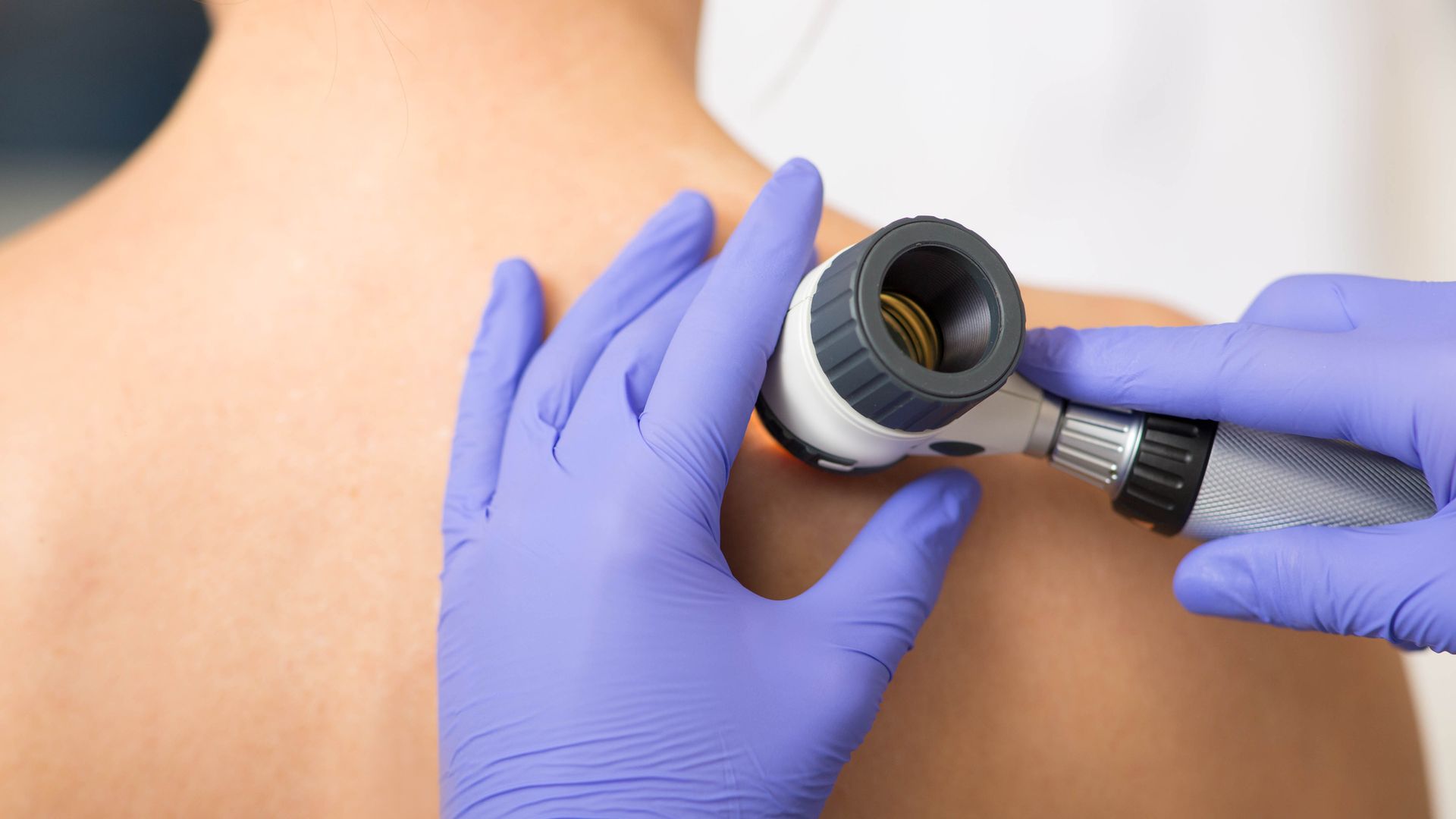
Additionally, encouraging regular skin checks and prompt consultations with healthcare professionals when suspicious moles or changes in the skin appear can lead to earlier diagnosis and better outcomes. Advances in diagnostic technology and treatment options also offer hope but require widespread accessibility and awareness.
Healthcare authorities and policymakers must prioritize funding for skin cancer education, screening programs, and research to reverse this upward trend. Community outreach and targeted messaging, particularly aimed at younger populations who may engage in risky sun behaviors, are critical components.
Looking Ahead: The Road to Reversing the Trend
The record-breaking rise in melanoma cases in the UK serves as a stark warning. Without decisive action, the incidence of this deadly cancer will likely continue climbing, with severe consequences for public health and the healthcare system.
By fostering a culture of vigilance around sun safety and early skin cancer detection, the UK can work to curb this dangerous trend. Ultimately, empowering individuals with knowledge and access to preventive care will save lives and reduce the burden of skin cancer nationwide.
Full details on the demographic breakdown and regional variations of these cases have yet to be released, but the current data clearly signals an urgent call to action.