In a groundbreaking medical breakthrough, surgeons in the United Kingdom have deployed a cutting-edge artificial intelligence (AI) tool during a live surgical procedure for the very first time. This landmark event marks a significant advancement in how technology can enhance precision and decision-making in complex operations.
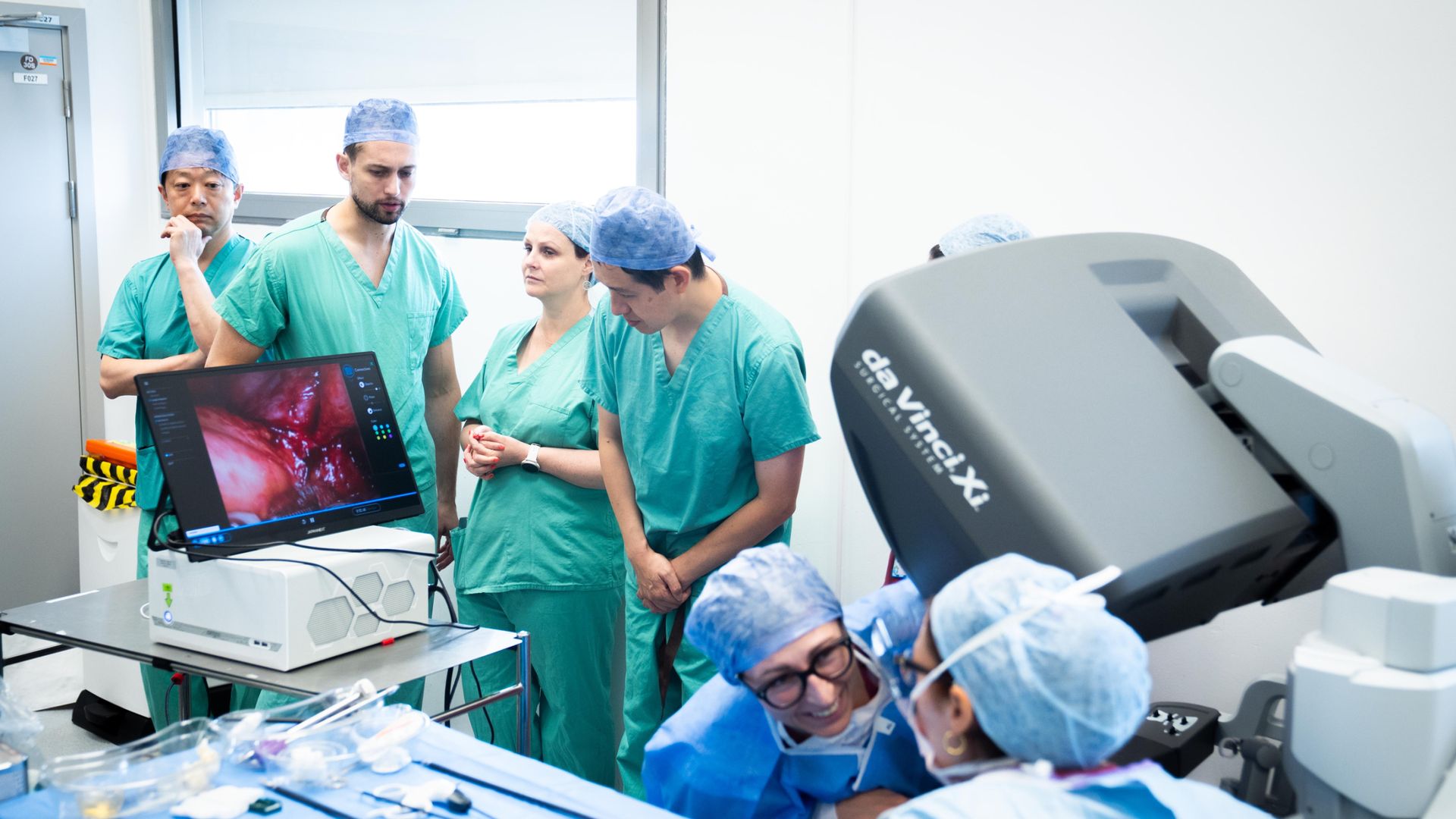
What Happened: The Introduction of AI in Surgery
During the pioneering surgery, a team of expert surgeons integrated an AI-powered system into the operating room to assist with real-time analysis and guidance. This tool leverages advanced machine learning algorithms to process vast amounts of medical data instantly, offering insights that support surgical precision and patient safety.
The AI system analyzes live imaging and patient-specific information, helping surgeons identify critical anatomical structures and potential risks. This level of assistance aims to reduce human error, optimize surgical outcomes, and shorten procedure times.
Experts involved in the operation emphasize that this is a revolutionary step forward, as AI moves from theoretical applications and controlled environments into practical, life-saving clinical use.
Why This Innovation Matters
The integration of AI into live surgery represents a transformative shift in healthcare technology. Traditionally, surgeons rely heavily on experience, training, and pre-operative imaging to navigate complex procedures. This new AI tool supplements their expertise by providing dynamic, data-driven insights during the operation itself.
By enhancing visualization and offering predictive analytics, the AI system can potentially reduce complications such as accidental damage to surrounding tissues or incomplete removal of diseased areas. This translates into faster recoveries and improved long-term outcomes for patients.
Moreover, this breakthrough demonstrates the growing role of AI in personalized medicine. Tailoring surgical strategies to the unique anatomy and condition of each patient elevates the standard of care and could set new benchmarks for surgical protocols worldwide.
What Comes Next: The Future of AI in Surgery
Following this successful UK-first operation, medical professionals anticipate broader adoption of AI-assisted surgical tools across various specialties. Researchers are already exploring enhancements that incorporate deeper learning models, greater integration with robotic surgery systems, and expanded databases for rare conditions.
Healthcare institutions are also investing in training programs to equip surgeons with the skills needed to effectively collaborate with AI technologies. As these tools evolve, they promise to not only improve surgical precision but also democratize access to expert-level guidance in regions with limited specialist availability.
Regulatory bodies and ethics committees continue to evaluate the implications of AI interventions to ensure patient safety, data privacy, and accountability remain paramount as this technology becomes mainstream.
Looking Ahead: What This Means for Patients and Providers
The successful use of an AI tool during a live UK surgery signals a new era where technology and human skill merge to elevate healthcare outcomes. For patients, this development offers hope for safer, more effective surgeries with quicker recovery times. For surgeons, it provides an invaluable partner that enhances decision-making under pressure.
As AI continues to embed itself into clinical practice, ongoing collaboration between technologists, clinicians, and policymakers will be essential to harness its full potential responsibly. This milestone sets a precedent that could redefine surgical standards and inspire innovation across the global medical community.