

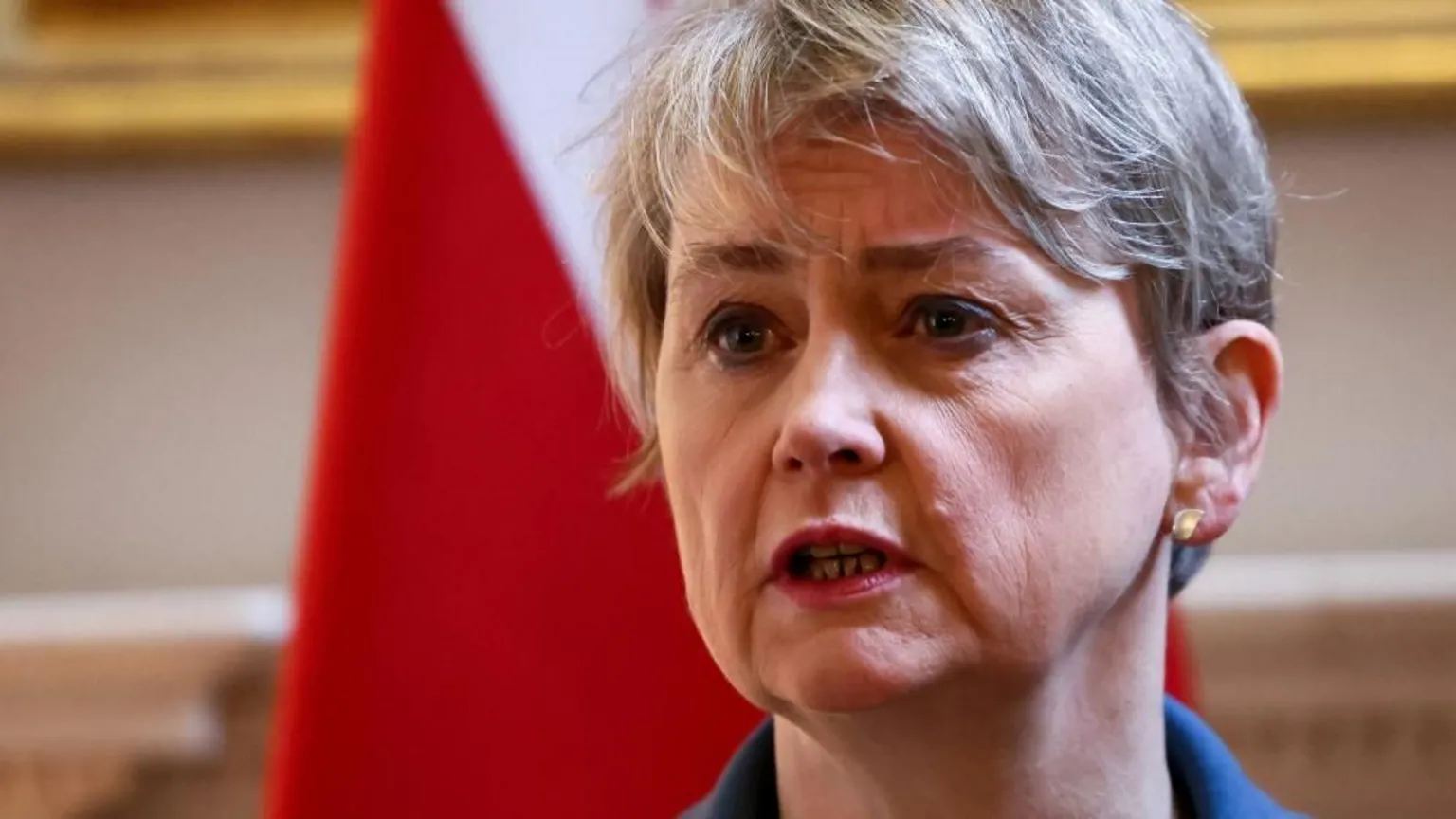
The UK government has unveiled a sharply reduced foreign aid budget, narrowing its focus to the world’s most urgent crises and conflicts. Foreign Secretary Yvette Cooper disclosed significant funding cuts to several countries, sparking concern among aid groups and opposition politicians about the global consequences of this shift.
What Happened: Targeted Aid Amid Historic Budget Cuts
The UK plans to cut approximately £6 billion from its overseas aid budget by 2027, a decision made last year to help finance an increase in defense spending. This marks a dramatic reduction from previous levels and signals a strategic reorientation of Britain’s international development assistance.
Cooper outlined that the aid budget will prioritize countries in “greatest crisis and conflict.” Nations such as Ukraine, Palestine, Lebanon, and Sudan will see their funding “fully protected” next year. Conversely, countries including Mozambique and Pakistan face “significantly” reduced direct grants.
The foreign secretary emphasized a shift from direct bilateral aid to strengthening partnerships with multilateral organizations. Key global alliances, such as the vaccine alliance Gavi, will continue to receive support, reflecting an ongoing commitment to tackling issues like vaccine-preventable diseases.
Cooper framed the new approach as prioritizing “partnership not paternalism,” with the UK aiming to act as “an investor not just a donor.” This strategy seeks to help developing countries attract private finance rather than depend solely on aid handouts.
Who Is Affected and What Are the Concerns?
The aid reductions hit Africa and the Middle East particularly hard, regions home to many of the world’s least developed and most vulnerable countries. According to Romilly Greenhill, CEO of the UK network for international development organizations Bond, these areas “will be forced to pay the highest price because of the reduced budget.”
Adrian Lovett of the ONE Campaign warned that slashing bilateral aid to Africa could devastate basic healthcare, education, and humanitarian support. He highlighted the risk of a resurgence in deadly diseases after decades of progress.
Labour MP Sarah Champion, chair of the international development committee, stressed that aid cuts could have “massive consequences,” including increased migration pressures on the UK. She underscored that development spending often acts as the “best line of prevention and first defense” against conflict and instability.
Liberal Democrat international spokesperson Monica Harding criticized the government’s strategy as “strategically illiterate,” warning that geopolitical rivals like Russia and China could exploit the void left by the UK’s retreat from international aid.
Reduced Focus on Fragile States and Health Initiatives
Countries such as Yemen, Somalia, and Afghanistan will remain humanitarian priorities but will experience reductions in direct bilateral grants. Instead, the UK will channel funds through multilateral programs operating in these fragile states.
In a difficult decision, the UK will cease direct funding for polio eradication but will maintain support through Gavi’s broader vaccine initiatives.
Why It Matters: The Global and Domestic Implications
The UK’s overseas aid spending has already been scaled back from 0.7% of gross national income—a globally recognized benchmark—to 0.5% in 2021 due to pandemic-related economic pressures. Now, the government plans to reduce it further to 0.3% by 2027.
This substantial drop reflects a significant policy shift with far-reaching consequences. A House of Commons Library briefing estimates aid at 0.3% will amount to £9.2 billion, representing a 31% reduction in total spending from current levels.
Experts warn that weakening global health systems and development programs in the poorest countries increases the risk of disease outbreaks and instability that can quickly transcend borders.
Labour MP Dr. Beccy Cooper cautioned that these cuts “put Britain and the world at risk,” noting that fragile health systems in developing countries facilitate the faster spread of diseases that can ultimately affect global health security.
Meanwhile, Conservative shadow Foreign Office minister Wendy Morton acknowledged the need for “genuine reform” alongside reduced funding but expressed concern about the lack of clarity on how these changes will be implemented.
Domestic Use of Aid Funds
International regulations permit governments to allocate a portion of their foreign aid budgets domestically, particularly to support asylum seekers during their first year in the country. In 2024, the UK spent £2.8 billion—around 20% of its aid budget—on refugee support, including accommodation.
The government has committed to ending the use of asylum hotels, reflecting an ongoing debate over the balance between domestic and international aid priorities.
Looking Ahead: Navigating a New Aid Landscape
The UK’s aid budget cuts and refocused priorities mark a turning point in its approach to global development assistance. While the government emphasizes crisis-driven, partnership-based aid, critics warn that reduced funding risks undermining long-term stability, humanitarian efforts, and global health initiatives.
As Britain redefines its role on the world stage, balancing defense spending with international aid will remain a contentious issue. The consequences of these decisions will unfold over the coming years, impacting vulnerable populations worldwide and shaping the UK’s global influence.