

The United Kingdom is set to overhaul its naval fleet by substituting large, high-cost destroyers with smaller, more affordable warships. This strategic shift emerges from a defense investment plan aimed at strengthening the military while containing expenditures, despite concerns from senior officers who argue the budget falls short of operational needs.
The Shift from Destroyers to Budget Warships
For decades, the Royal Navy has relied on a fleet of formidable destroyers—vessels known for their size, firepower, and advanced technology. These ships have played a pivotal role in the UK’s maritime defense, power projection, and alliance commitments. However, maintaining and building these destroyers requires significant financial investment, which has strained defense budgets amid competing national priorities.
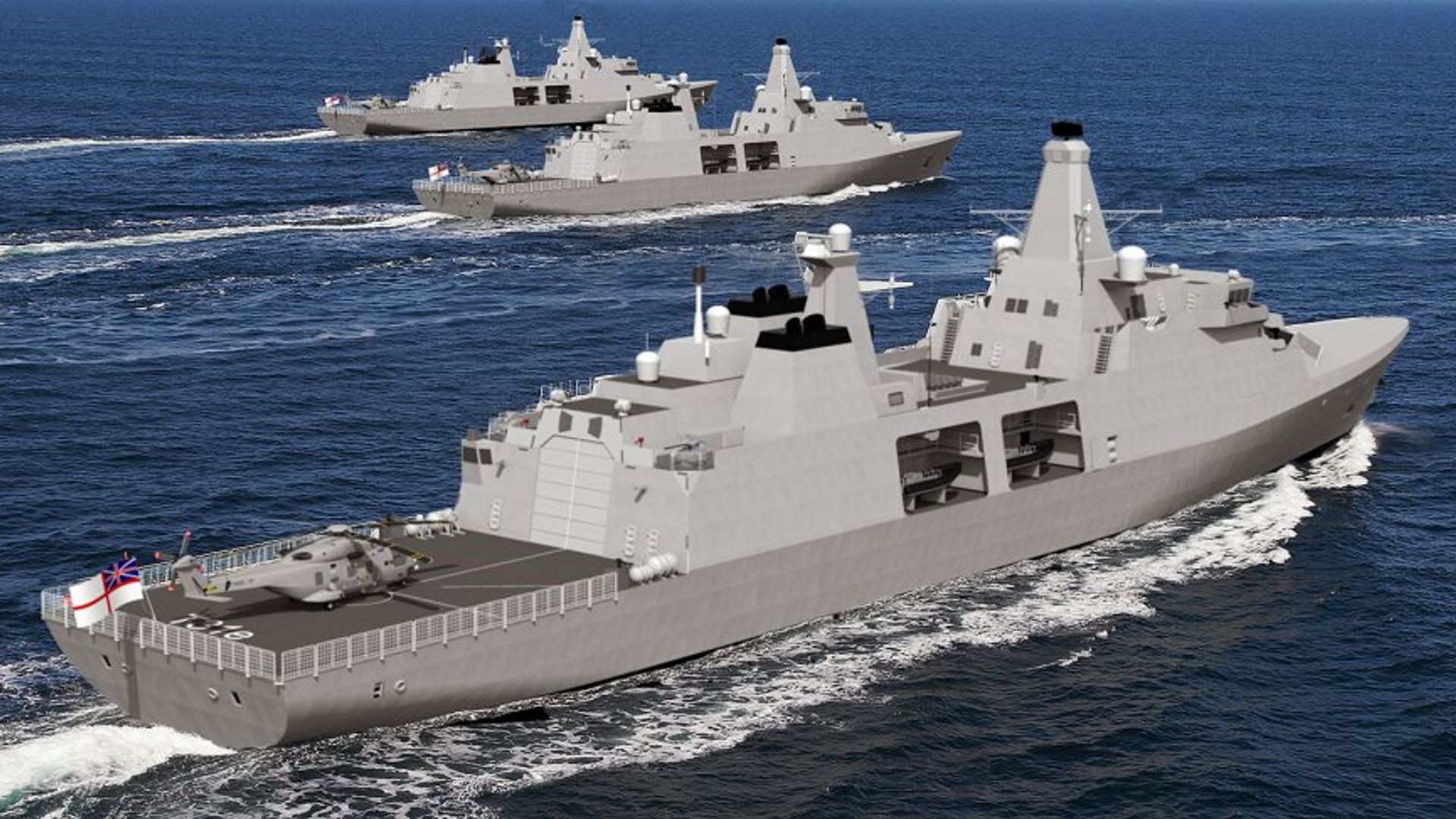
In response, the UK government has unveiled plans to replace some of these destroyers with smaller, less expensive warships. These ‘budget warships’ aim to provide essential naval capabilities at a fraction of the cost of their larger counterparts. By focusing on cost-efficiency, the Ministry of Defence seeks to maximize the number of vessels operationally available without escalating defense spending.
Why the Change Matters for UK Defense
This decision reflects a broader challenge facing modern militaries worldwide: balancing capability with affordability. The Royal Navy must maintain a credible presence in key maritime regions like the North Atlantic, the Mediterranean, and the Indo-Pacific amid evolving security threats. Smaller warships offer enhanced flexibility for patrol, surveillance, and escort missions, especially in contested waters.
However, this downsizing raises critical questions about the navy’s future operational reach and combat power. Senior naval officers have voiced concerns that the budget warships may lack the advanced systems and firepower required to meet high-end threats, potentially compromising the UK’s ability to deter adversaries and uphold international security commitments.
Despite these concerns, proponents argue that a larger fleet of less costly vessels can improve overall maritime coverage and responsiveness, particularly for routine patrols and humanitarian missions. This approach could free up the larger, more capable ships for specialized operations, optimizing fleet deployment.
Looking Ahead: What This Means for the Royal Navy
The transition to budget warships signals a significant shift in UK naval doctrine and procurement strategy. It underscores the government’s intent to adapt to fiscal realities without abandoning its commitment to a strong maritime defense. The success of this plan will depend on the design, capabilities, and integration of these new vessels within the existing fleet.
Moreover, this strategy may influence the UK’s broader defense posture amid rising geopolitical tensions. As global maritime competition intensifies, having a versatile and scalable naval force will be crucial. The UK must balance cost savings with ensuring its navy remains a formidable force capable of safeguarding national interests and contributing to international security.
In the coming years, stakeholders will watch closely how these budget warships perform in exercises, deployments, and potential conflicts. Their effectiveness will shape future naval investments and the UK’s role on the global stage.
In summary, the UK’s plan to replace expensive destroyers with budget warships reflects a pragmatic approach to modern defense challenges. While it aims to optimize resources and expand fleet size, it also prompts careful evaluation of capability trade-offs. The Royal Navy’s evolution will be pivotal in maintaining the nation’s maritime strength amid an increasingly complex security environment.