

The latest UK employment data reveals a surprising decline in the unemployment rate, defying expectations during a period of economic uncertainty. However, beneath this positive headline lies a concerning trend: private sector wage growth is faltering, and the number of new recruits entering payrolled employment has plummeted to its lowest level in five years.
What the Latest Employment Figures Reveal
Recent official statistics show that the UK’s unemployment rate has dipped unexpectedly, signaling some resilience in the labor market despite ongoing challenges such as inflationary pressures and geopolitical tensions. This decline suggests that more people are either holding onto their jobs or successfully finding new ones, a positive sign for the overall economy.
However, when examining the composition of this employment growth, key indicators point to underlying weaknesses. Most notably, the volume of new hires recorded on payrolls has slowed markedly. The number of new recruits is currently at its lowest point since five years ago, highlighting potential caution among employers in expanding their workforce.
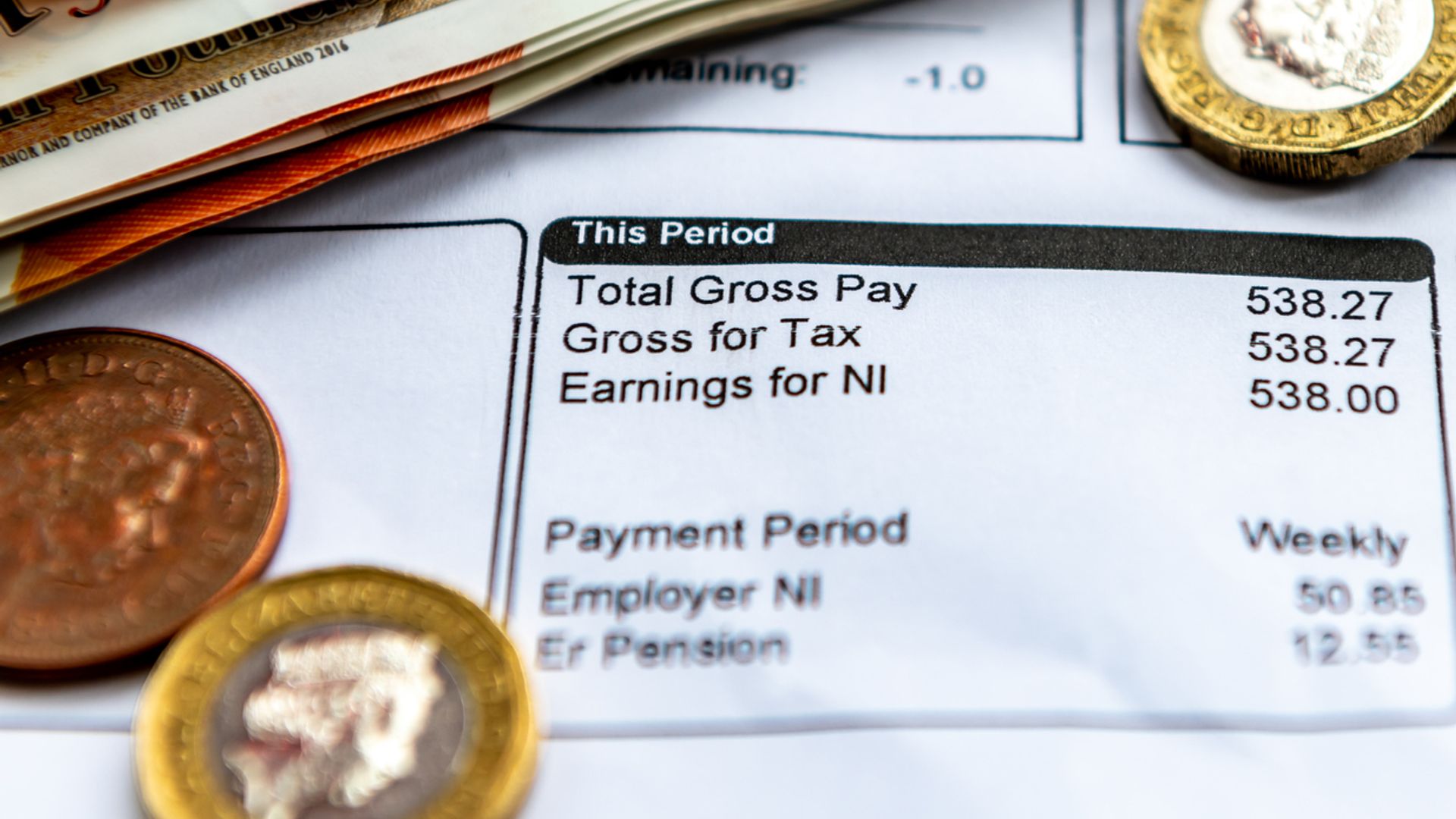
This drop in new payrolled workers may reflect businesses’ hesitance to commit to long-term hiring amid economic uncertainty. Factors such as rising costs, supply chain disruptions, and fluctuating demand could be causing firms to delay or scale back recruitment efforts, even as unemployment figures improve.
Stagnant Private Sector Pay Growth Raises Concerns
Alongside the shift in employment numbers, private sector wage growth is showing signs of strain. Basic pay awards for private sector workers remain subdued, failing to keep pace with the rising cost of living. This stagnation puts pressure on household incomes and could dampen consumer spending, a critical driver of economic growth.
Private sector wage growth is a key economic indicator because it influences consumer confidence and purchasing power. When wages lag behind inflation, workers effectively experience a pay cut, which can lead to reduced demand for goods and services across the economy.
Moreover, sluggish wage growth may impact employee morale and productivity, potentially increasing turnover rates and slowing overall economic momentum. Employers may face challenges in attracting and retaining skilled workers if compensation does not improve, further complicating the labor market dynamics.
Why These Trends Matter for the UK Economy
The combination of a falling unemployment rate and weak wage growth presents a complex picture for policymakers and businesses alike. While lower unemployment suggests some economic strength, the lack of robust wage increases and slow hiring could signal deeper structural issues.
This situation raises important questions about the sustainability of economic recovery. If private sector wages do not begin to rise meaningfully, many workers could struggle with the rising cost of essentials such as energy, housing, and food. This squeeze on disposable income might reduce overall economic activity and stall growth.
For policymakers, these figures underscore the need for targeted interventions to stimulate both job creation and wage growth. Measures that support business investment and workforce development could help reverse the slowing trends in recruitment and pay increases.
Businesses, meanwhile, must navigate a delicate balance between managing costs and investing in their workforce. Strategic decisions on hiring and compensation will be crucial in maintaining competitiveness and fostering sustainable growth in the months ahead.
Looking Ahead: What to Watch Next
As the UK economy continues to navigate post-pandemic challenges and global uncertainties, future labor market data will be critical in assessing the trajectory of employment and wage trends. Analysts will closely monitor whether the dip in unemployment translates into stronger workforce participation and whether private sector wages begin to recover.
Understanding these dynamics will help governments, businesses, and workers make informed decisions in an evolving economic landscape. The balance between job availability and fair compensation remains central to the UK’s economic health and the wellbeing of its workforce.
In summary, while the drop in unemployment offers a glimmer of hope, the persistent struggles around wage growth and new hiring highlight ongoing vulnerabilities. Addressing these challenges will be essential to ensuring a more robust and inclusive economic recovery.