Chaos Unleashed by Storm Katie on Southern England
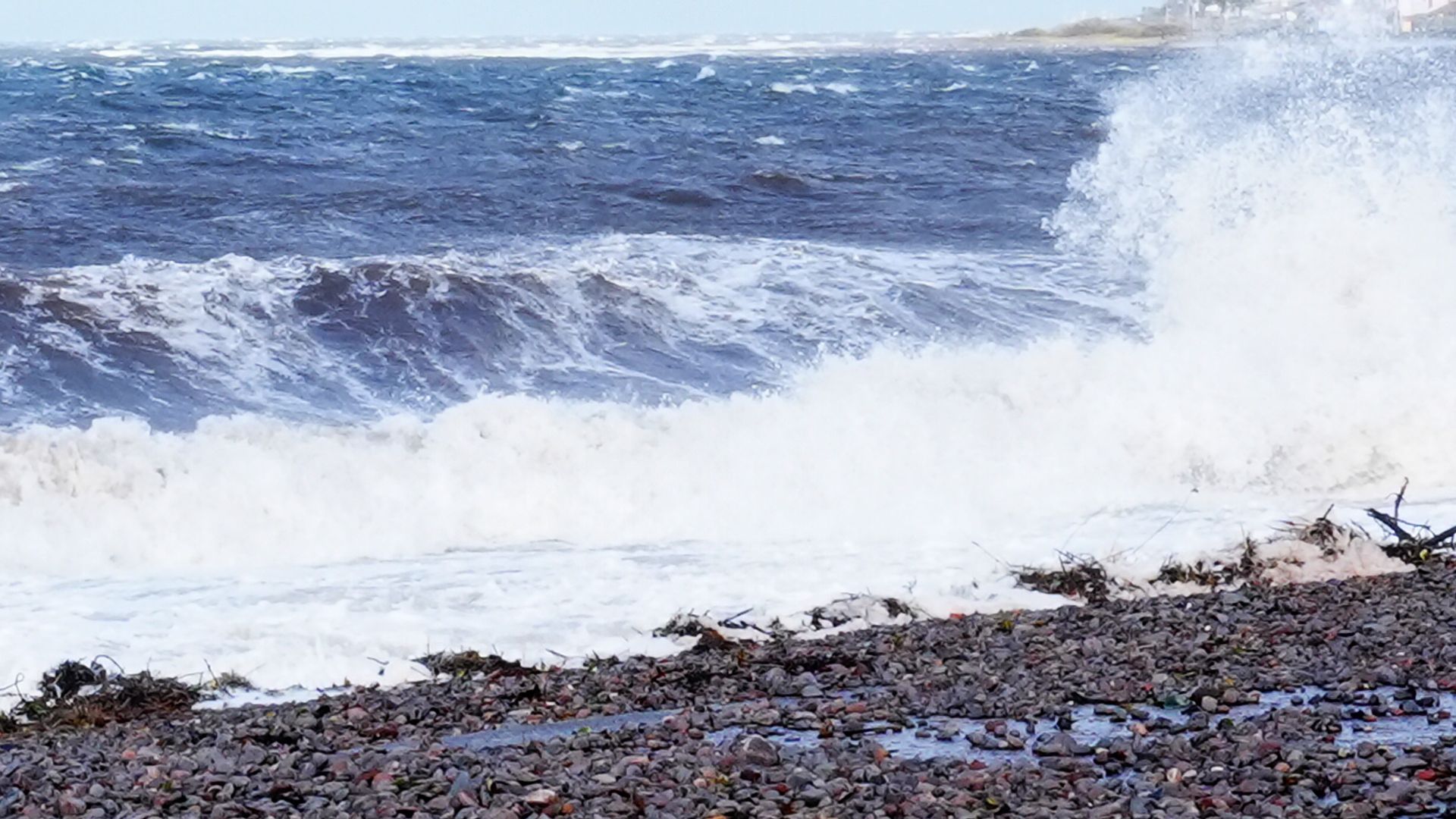
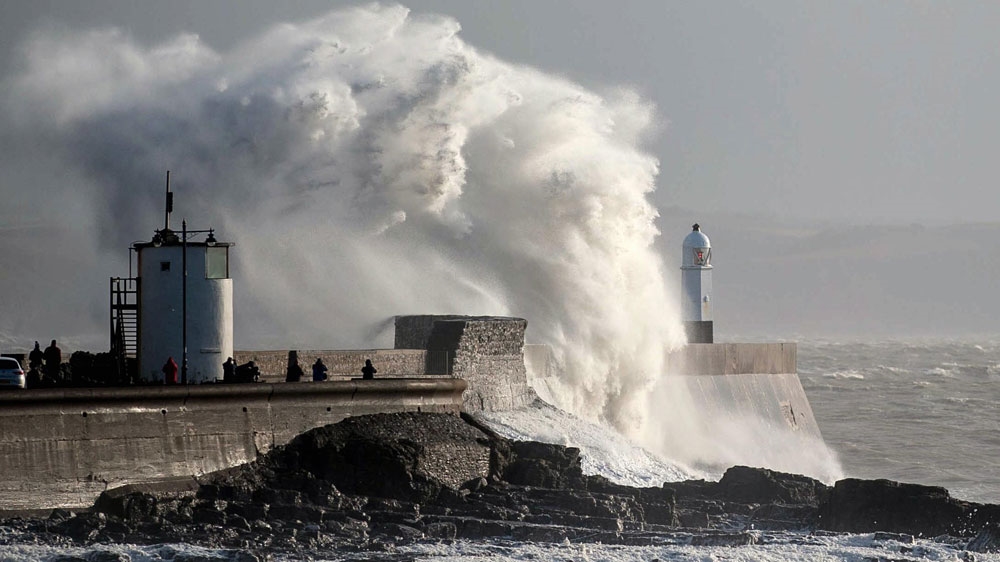
Storm Katie unleashed one of the fiercest bouts of weather southern England has seen in recent years, battering the region with winds reaching a staggering 105 miles per hour and relentless torrential rain. The storm’s powerful gusts and flooding conditions led to widespread disruption across transportation networks, emergency services, and local communities. Most alarmingly, the storm is linked to the feared loss of a man whose kayak capsized in the swollen waters of the River Wey near Guildford, Surrey. As authorities intensify their search efforts, the scale of the storm’s impact continues to emerge.

The Search for the Missing Kayaker
On Easter Monday around midday, during the peak of Storm Katie’s aftermath, emergency responders were called into action when a man’s kayak overturned in the rapidly flooding River Wey. The forceful currents, swollen by heavy rainfall, created treacherous conditions that left the man in visible distress. Several members of the public witnessed the incident and alerted the authorities immediately.
Surrey Police, leading the search operation, deployed a significant number of officers alongside fire crews to scour the riverbanks and surrounding areas. Chief Inspector Dave Mason emphasized the urgency and scale of the search, stating, “The man was spotted in the water by several members of the public and was clearly in difficulty due to the extremely strong current. We are doing everything we can to try and find him.”
The search highlights the dangers faced by individuals engaging in water-based activities during severe weather events. Flooded rivers, rapid currents, and debris pose life-threatening risks, and emergency services often have to balance resource allocation between search efforts and other storm-related incidents.
Widespread Disruption Across Transport and Communities
Storm Katie’s impact extended far beyond the River Wey incident, severely disrupting transport hubs and daily life. Heathrow Airport, one of the busiest international gateways, was forced to cancel over 90 flights and divert an additional 20 due to the extreme weather conditions. The storm’s gusts made flying perilous, with passengers recounting harrowing experiences. One traveler on a Budapest to Gatwick flight described the pilot aborting a landing after the plane “dropped suddenly and swung left to right,” inducing panic and illness among passengers before safely diverting to Birmingham Airport.
Train services also suffered significant delays and cancellations, adding to the travel chaos faced by commuters and holidaymakers alike during the Easter period. London’s fire services reported managing over 110 emergency incidents directly related to the high winds, including fallen trees, structural damage, and road blockages.
In Greenwich, the situation escalated when a crane became unstable and collapsed, forcing residents in the immediate vicinity to evacuate their homes as a precautionary measure. Such infrastructural vulnerabilities underline the destructive potential of powerful storms in urban environments, where falling debris and equipment can threaten lives and property.
Storm Katie’s Meteorological Footprint and Legacy
The Isle of Wight bore the brunt of Storm Katie’s fury, recording the highest wind speeds at 106 miles per hour. These extreme gusts reflect the storm’s intensity as it moved across southern England over the weekend. By late Monday morning, the storm had departed the British mainland, continuing its path across the southern North Sea by the evening.
Storm Katie serves as a stark reminder of the increasing volatility of weather systems affecting the UK. The storm’s rapid development and severe conditions challenged emergency preparedness and highlighted the need for robust infrastructure and response strategies to mitigate future risks.
Why Storm Katie Matters: The Bigger Picture
Storm Katie’s devastation underscores the vulnerability of southern England to extreme weather events intensified by climate change. As atmospheric conditions become more unpredictable, the frequency and severity of storms like Katie may increase, posing ongoing challenges to public safety, transportation, and urban resilience.
The search for the missing kayaker also brings attention to the critical importance of public awareness and caution during adverse weather. Authorities continue to urge citizens to avoid risky activities near flooded rivers and coastal areas during storms to prevent further tragedies.
Infrastructure across transport networks and urban zones must adapt to withstand such powerful natural forces. The storm’s impact on airports, railways, and residential areas reveals weaknesses that require targeted investment and planning.
In the aftermath of Storm Katie, communities and emergency services are left to assess the damage, aid those affected, and prepare for the inevitable next storm. This event highlights the urgent necessity for comprehensive strategies to safeguard people and property against increasingly volatile weather patterns.
As the search for the missing man continues and recovery efforts unfold, Storm Katie will be remembered not only for the havoc it wreaked but also as a critical case study in the evolving relationship between human activity and nature’s most formidable forces.