The UK’s largest onshore windfarm is embarking on an ambitious £1.5 billion redevelopment to double its electricity generation capacity by installing taller, more efficient turbines. This transformative project marks a significant leap forward in the nation’s renewable energy infrastructure, reinforcing the UK’s commitment to green power and carbon reduction targets.
What’s Driving the Expansion of the Windfarm?
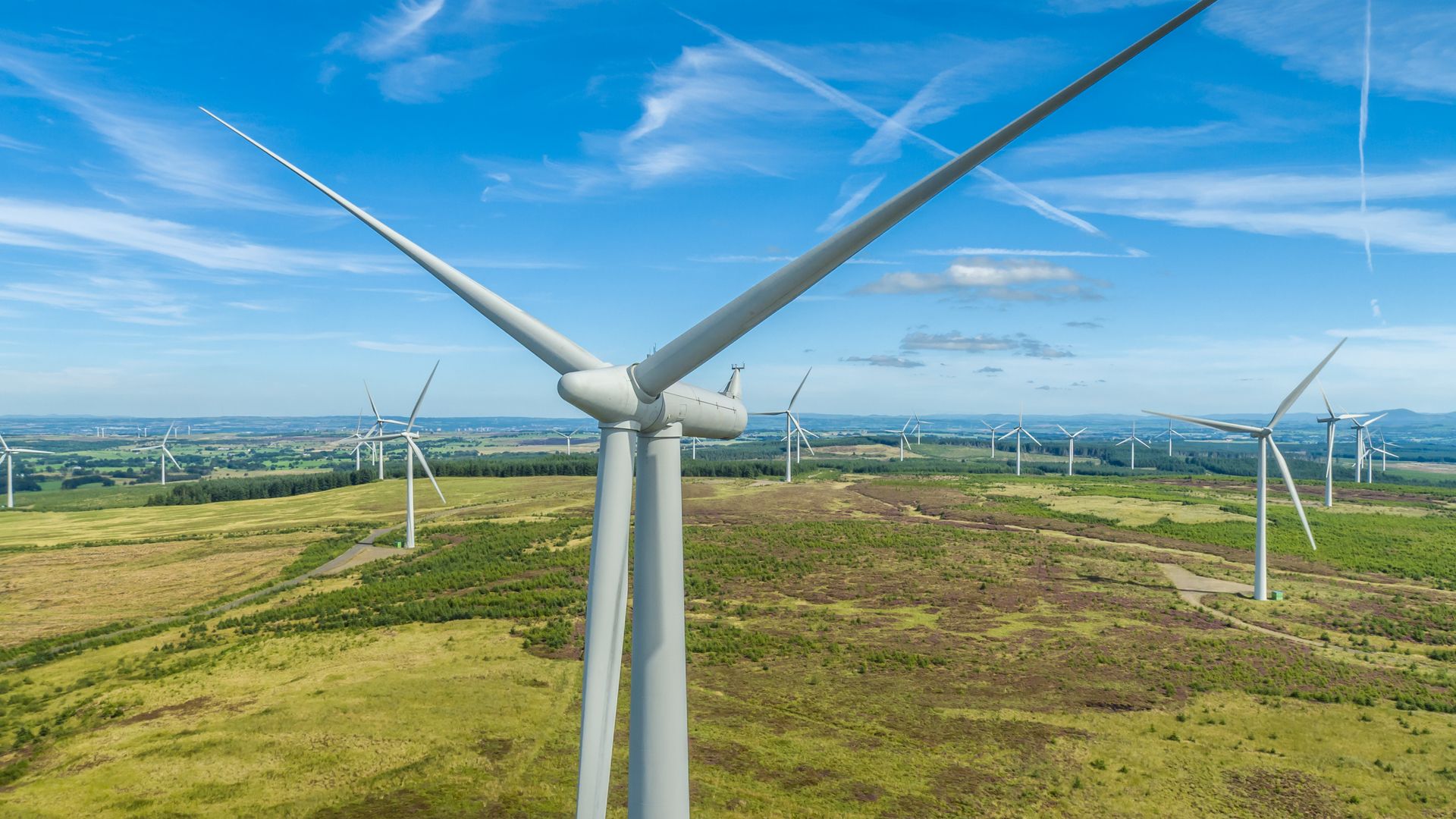
The windfarm, which currently stands as the biggest onshore wind installation in the United Kingdom, will undergo a comprehensive rebuild aimed at ramping up its output dramatically. The upgrade involves replacing existing turbines with fewer but much taller and technologically advanced units. These new turbines will harness stronger, more consistent winds at higher altitudes, significantly boosting overall energy production.
By doubling its generating capacity, the windfarm will contribute a substantial increase in clean electricity to the national grid. This expansion aligns with the UK government’s broader strategy to increase renewable energy share and phase out fossil fuels in power generation. The project’s scale—costing £1.5 billion—reflects the investment required to deploy state-of-the-art wind technology and modernize infrastructure.
Details of the Turbine Upgrade and Its Impact
The redevelopment plan focuses on installing taller turbines than those currently in operation. Taller turbines capture wind currents at higher altitudes, where winds are both stronger and more consistent throughout the year. This results in higher capacity factors, meaning the turbines can produce electricity more reliably and efficiently.
Fewer turbines will be needed to achieve the same or greater output, reducing land use impact and minimizing environmental disturbance. The newer turbines will incorporate cutting-edge blade design and advanced materials to maximize aerodynamic efficiency. This not only increases electricity generation but also reduces maintenance costs and extends the lifespan of the windfarm.
The enhanced capacity will enable the windfarm to supply clean energy to thousands more homes and businesses, decreasing dependence on fossil fuels and lowering carbon emissions. This upgrade also supports the UK’s legally binding commitment to reach net-zero carbon emissions by 2050, underscoring the vital role of onshore wind in the country’s energy transition.
Why This Project Matters for the UK’s Energy Future
Onshore wind remains one of the most cost-effective sources of renewable energy in the UK. This expansion illustrates how existing windfarms can be revitalized to meet growing energy demands without requiring new land or extensive new construction. It represents a sustainable model for scaling renewable infrastructure nationwide.
The project’s success will likely influence future wind energy policies and investments. By demonstrating the benefits of upgrading existing sites with taller, more powerful turbines, it paves the way for similar initiatives across the UK. This could accelerate the deployment of renewable energy capacity, helping to meet increasing electricity needs in a low-carbon manner.
Moreover, the redevelopment is expected to create jobs and stimulate economic activity in the regions surrounding the windfarm. From turbine manufacturing to maintenance and operations, the project will support the green economy and foster skills development in renewable technologies.
Looking Ahead: A Clear Signal for Renewable Growth
Doubling the capacity of the UK’s largest onshore windfarm through a £1.5 billion upgrade exemplifies the scale and ambition required to transition to a sustainable energy future. By incorporating taller and more efficient turbines, the project maximizes energy output while minimizing environmental impact.
This development sends a strong message that the UK is not only committed to expanding renewable energy but is also innovating to optimize existing assets. As the nation continues to push toward its climate goals, such investments will be crucial in ensuring energy security, affordability, and sustainability.
With the windfarm upgrade underway, the UK sets a powerful precedent for leveraging advanced wind technology to meet the challenges of climate change and energy demand simultaneously. The full impact of this project will unfold in the coming years, shaping the country’s renewable energy landscape for decades to come.