

The United Kingdom’s groundbreaking security alliance with the United States and Australia, known as AUKUS, is facing significant challenges that could undermine its ambitious defence objectives. According to a recent report by the House of Commons Defence Committee, diminishing political leadership, inadequate funding, and an overstretched submarine fleet threaten to derail the pact’s promise of enhanced military cooperation and advanced defence capabilities.
What Is AUKUS and Why It Matters
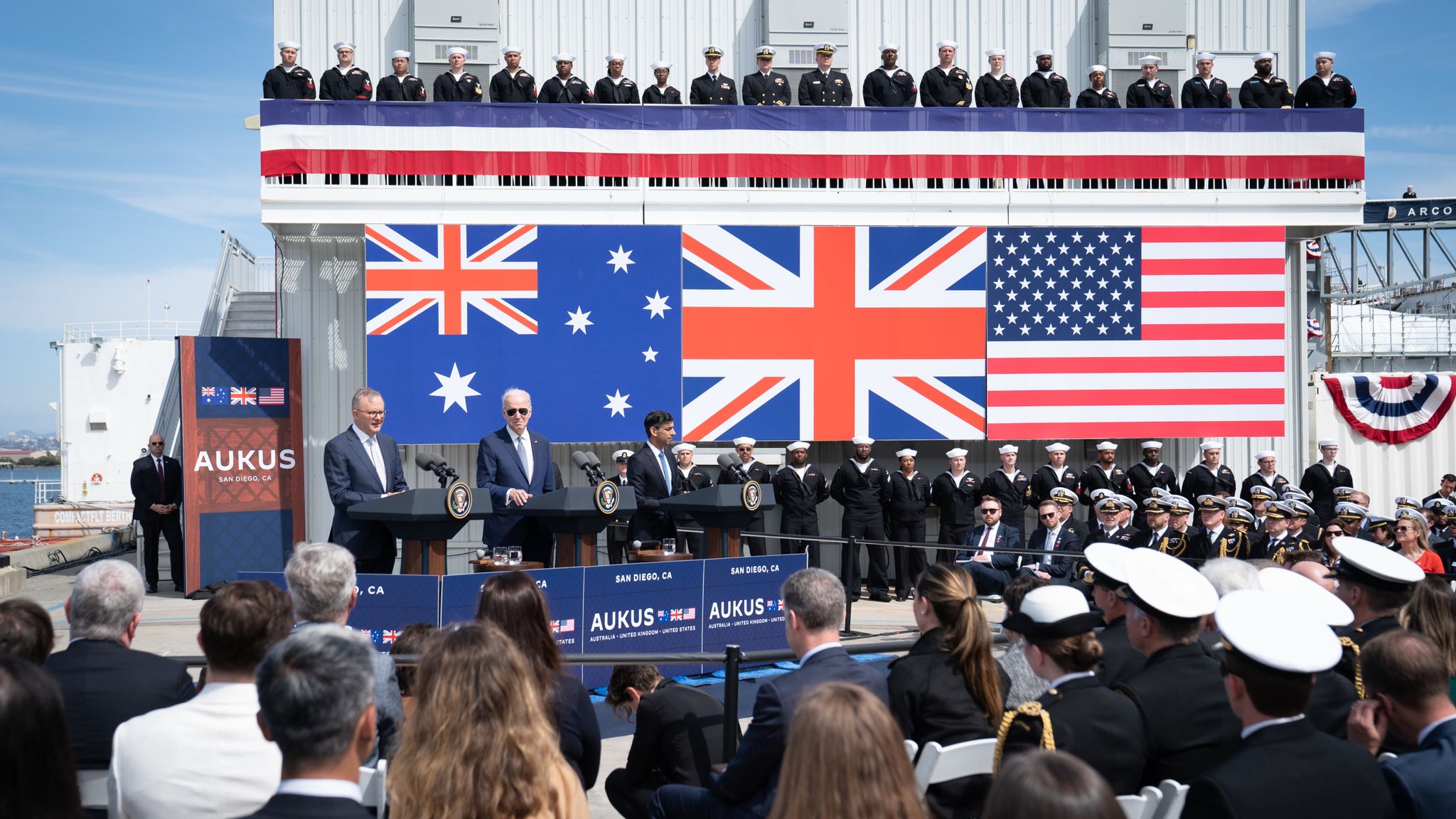
Launched in 2021 with considerable international attention, the AUKUS agreement aims to transform defence collaboration between the UK, US, and Australia. Central to the pact is the plan for Australia to acquire nuclear-powered submarines built with British and American technology, marking a historic shift in regional security dynamics. Beyond submarines, the partnership envisions joint development of cutting-edge defence technologies to strengthen collective security in the Indo-Pacific region.
However, the Defence Committee’s report highlights that despite these lofty ambitions, the pact’s implementation is at risk. The report points to “shortcomings and failures” primarily rooted in a “lack of funding or prioritisation” rather than any fundamental technical obstacles. The committee urges UK opposition leader Sir Keir Starmer to assume a more active role in steering political commitment and reversing what it describes as “political drift.”
Committee chairman Tan Dhesi MP emphasized the need for consistent, high-level leadership, stating, “Any undertaking of this scale requires committed, consistent political will and leadership. AUKUS can’t be seen as just another defence programme; if it is to stay on track, then leadership must come from the very top.”
Investment and Infrastructure Challenges Threaten Submarine Ambitions
The report singles out the UK’s submarine-building hub at Barrow-in-Furness as a critical asset that is “too big to fail.” This shipyard is indispensable for delivering the nuclear-powered submarines promised to Australia. Yet, the committee warns that investment levels have fluctuated dangerously, risking delays that could cascade into broader strategic setbacks.
“Even minor delays in investment can snowball over time,” Mr. Dhesi cautioned, “leading to severe consequences not only for Britain’s national security but also for its credibility with the US and Australia.” The warning underscores how vital sustained funding and prioritisation are to keeping the AUKUS submarine programme on schedule.
Beyond shipbuilding, the report highlights pressing concerns about the UK’s submarine bases at Devonport and Clyde. These facilities are already under strain, servicing an overstretched Royal Navy fleet struggling to meet the pact’s operational demands.
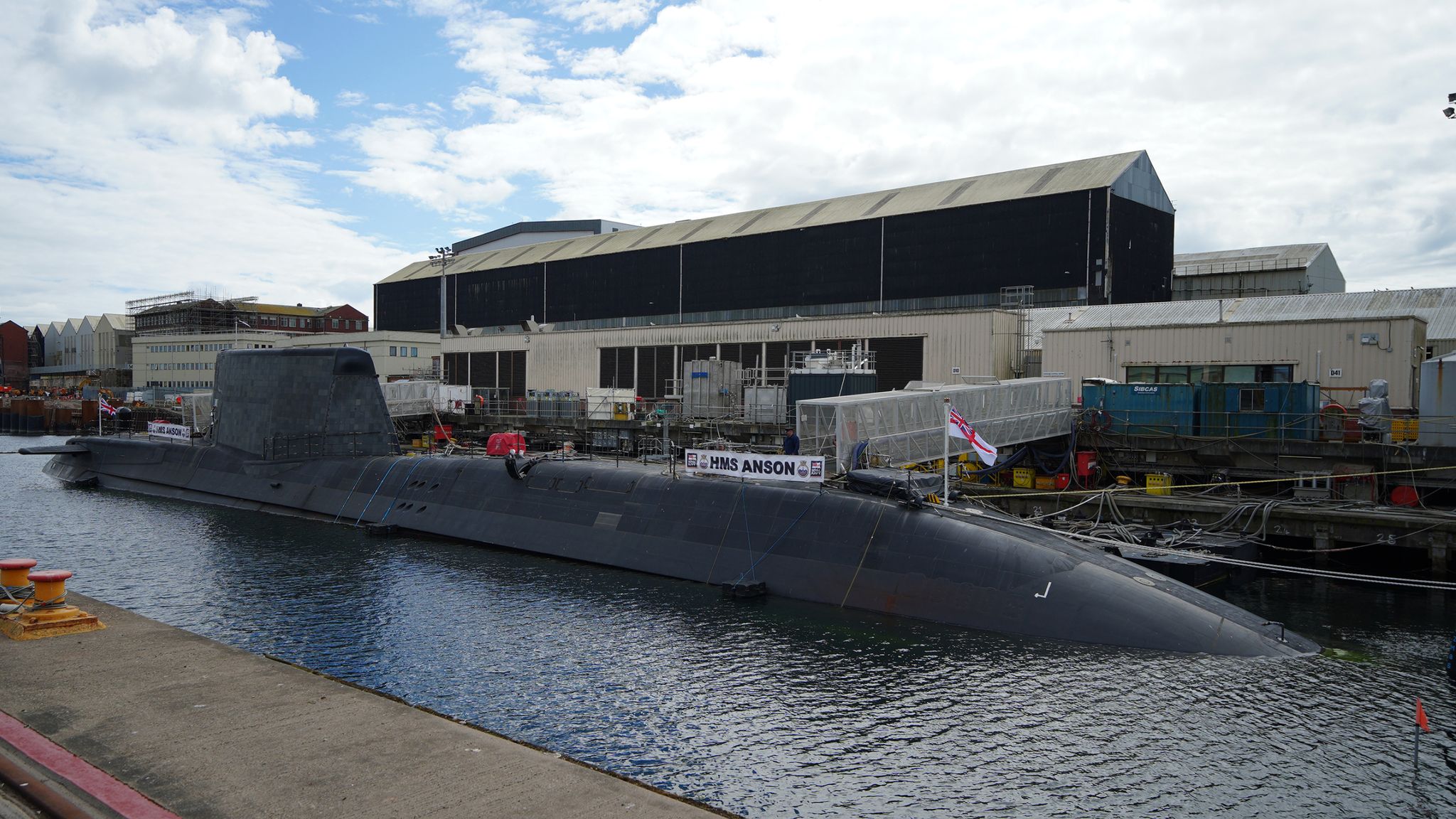
Regular submarine deployments to Australia, a key AUKUS commitment, risk leaving the Royal Navy with “no breathing space” during crises due to limited attack submarine availability. Earlier this year, the UK deployed HMS Anson, its only available Astute-class attack submarine, to Australia for such a visit. However, this deployment was reportedly cut short amid the outbreak of conflict involving Iran.
Mr. Dhesi warns that without urgent infrastructure improvements at these bases to address the critical shortage of operational submarines, the government may fail to meet AUKUS obligations and jeopardize the pact’s overall success.
Defence Technology Collaboration Falls Short of Expectations
While AUKUS promises transformative cooperation on new defence technologies, the committee report finds progress has stalled. Despite the potential for groundbreaking innovation, the partnership “has so far failed to deliver on its promise.”
The report suggests that without stronger political focus and enhanced resource allocation, the technological collaboration risks becoming another missed opportunity in this high-stakes trilateral alliance.
Why This Matters for UK Security and Global Standing
AUKUS is more than a defence agreement; it represents a strategic pivot for the UK as it seeks to assert greater influence in the Indo-Pacific and strengthen ties with key allies. Failure to uphold the commitments could damage Britain’s reputation as a reliable partner and weaken its leverage in international security affairs.
The submarine programme and technology-sharing are linchpins of the pact, making sustained political will and investment essential. The Defence Committee’s call for urgent leadership and funding serves as a stark reminder that ambitious defence projects require more than announcements—they demand relentless follow-through.
As the UK navigates complex global security challenges, the trajectory of AUKUS will be a critical test of its capacity to deliver on promises that impact not only its own national security but that of its closest allies.
Full details have not yet been released.