

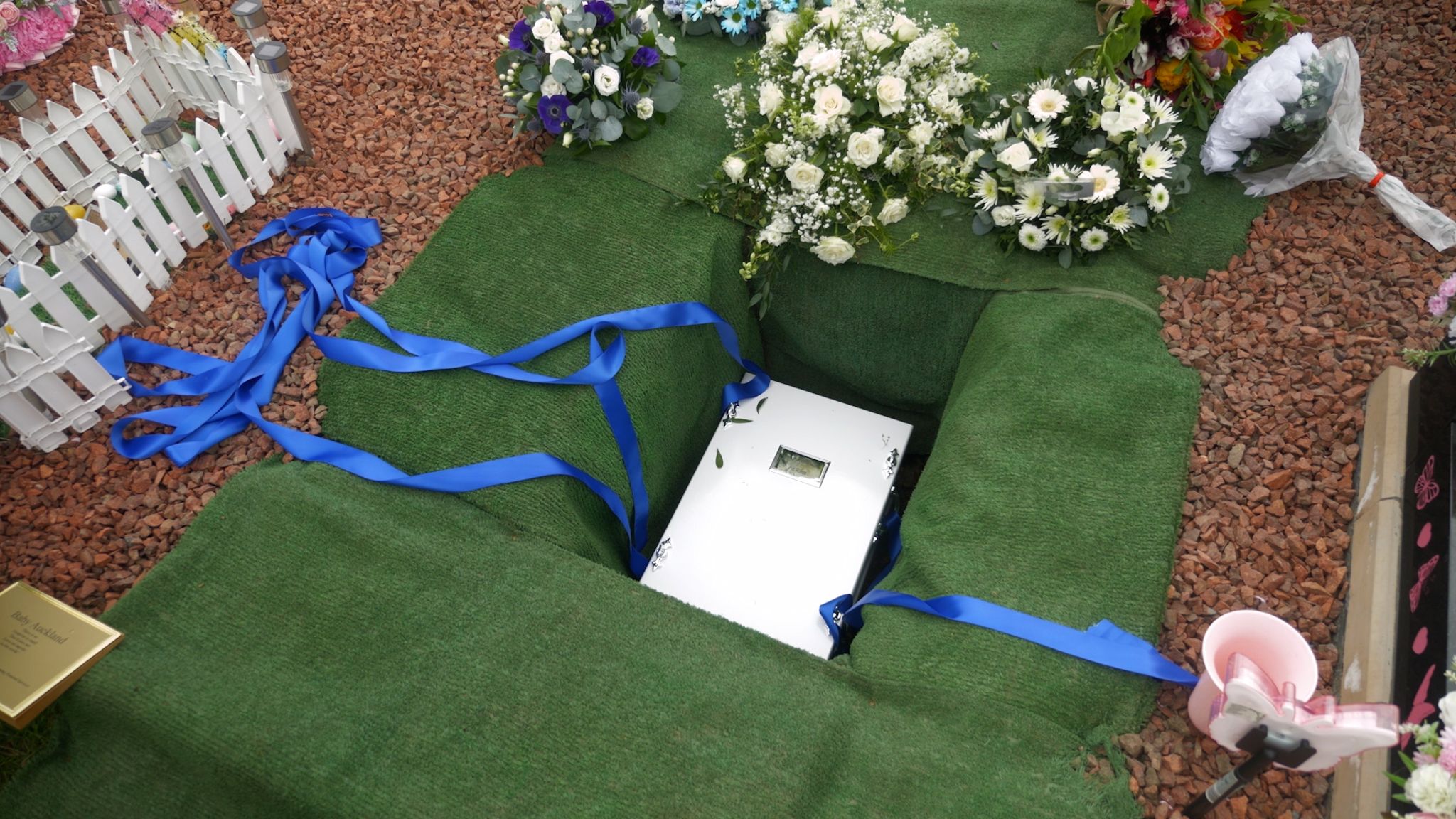
More than 100 years after his remains were discovered concealed beneath the floorboards of a Bishop Auckland home, an unidentified baby boy has been given a dignified burial, closing a poignant chapter in this mysterious case. Known affectionately as “Baby Auckland,” the infant’s story has captivated investigators and the local community alike, underscoring the enduring human need for respect and closure—no matter how much time has passed.
Discovery and Investigation: Unraveling a Century-Old Mystery
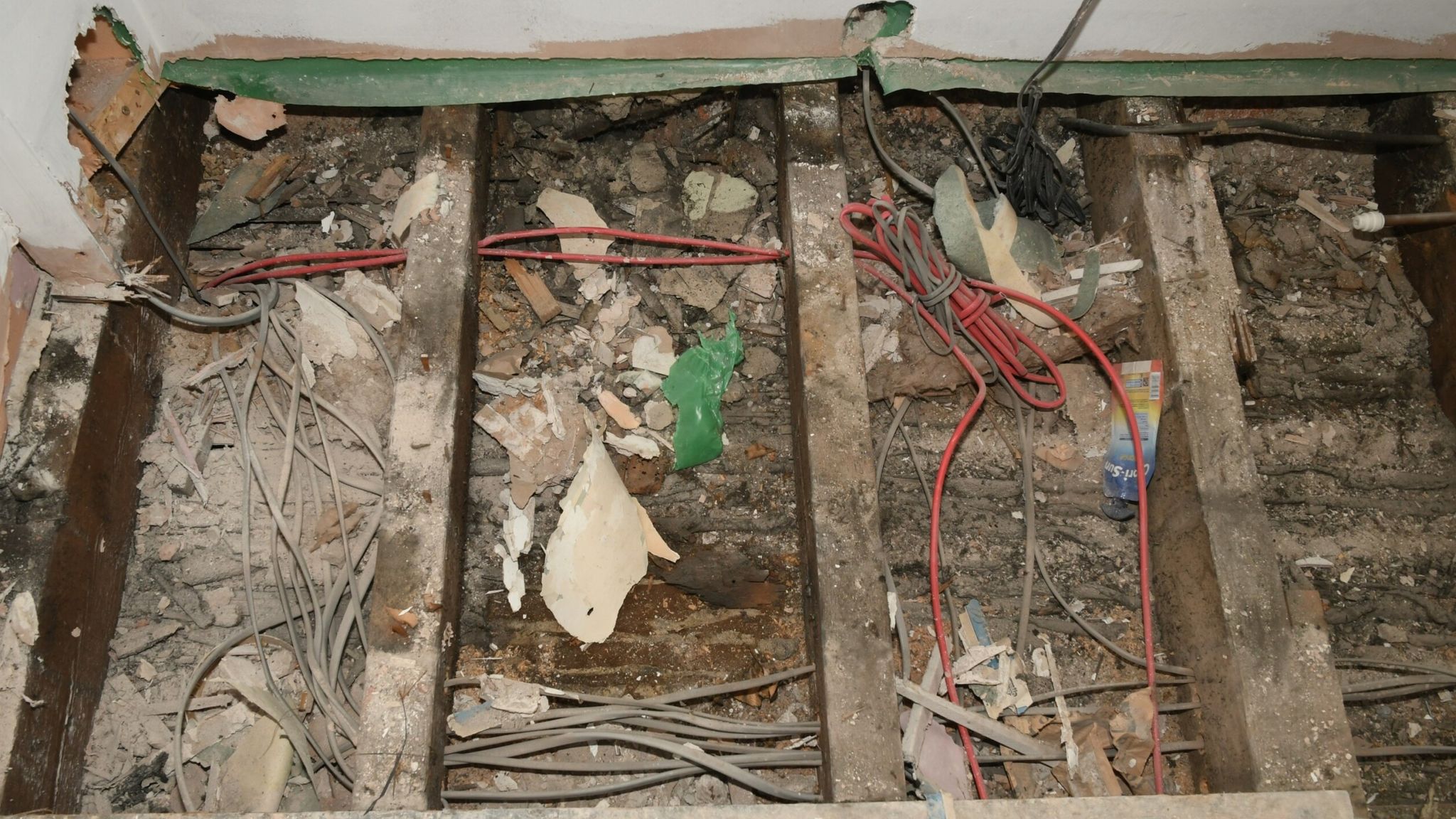
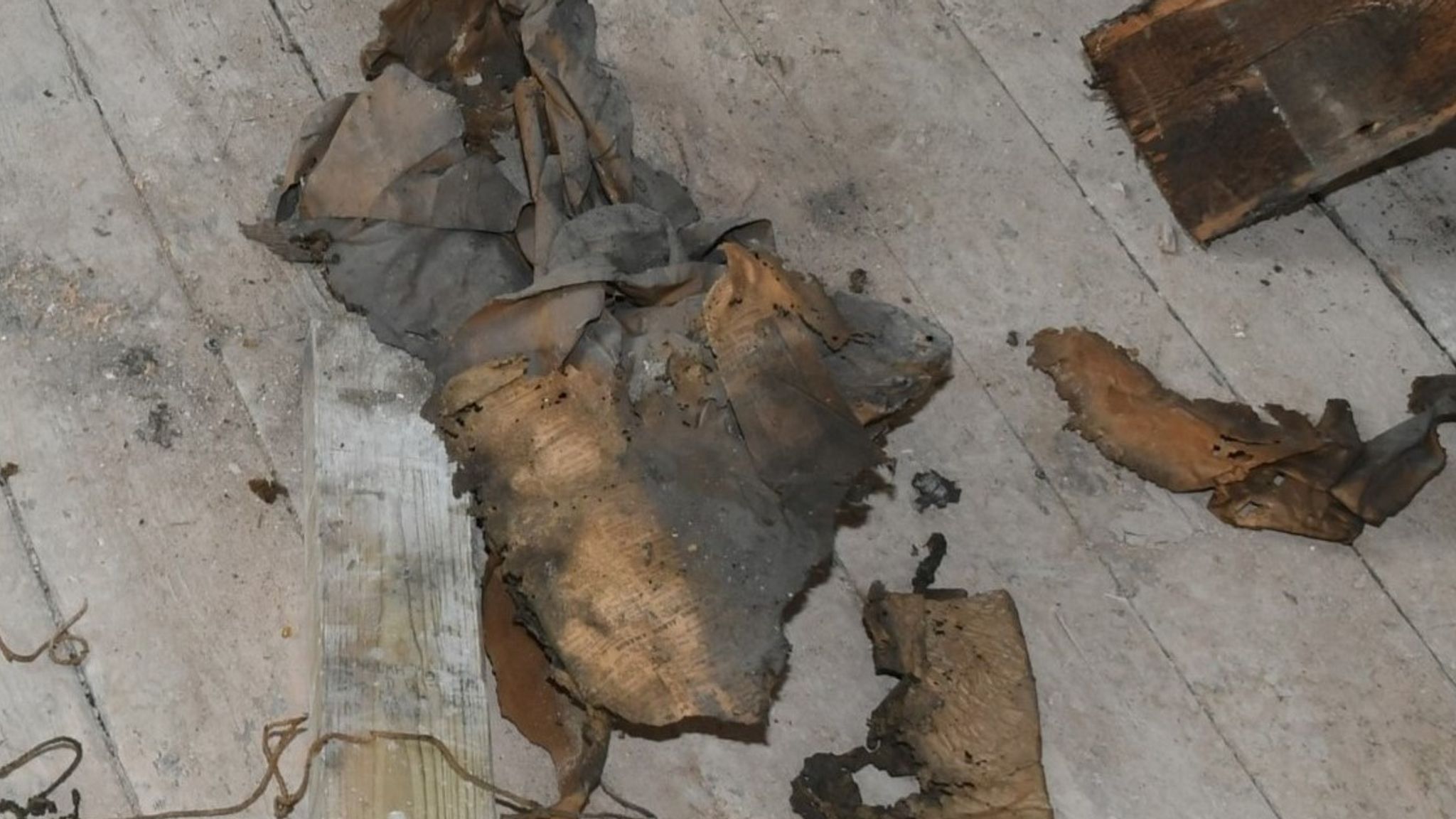
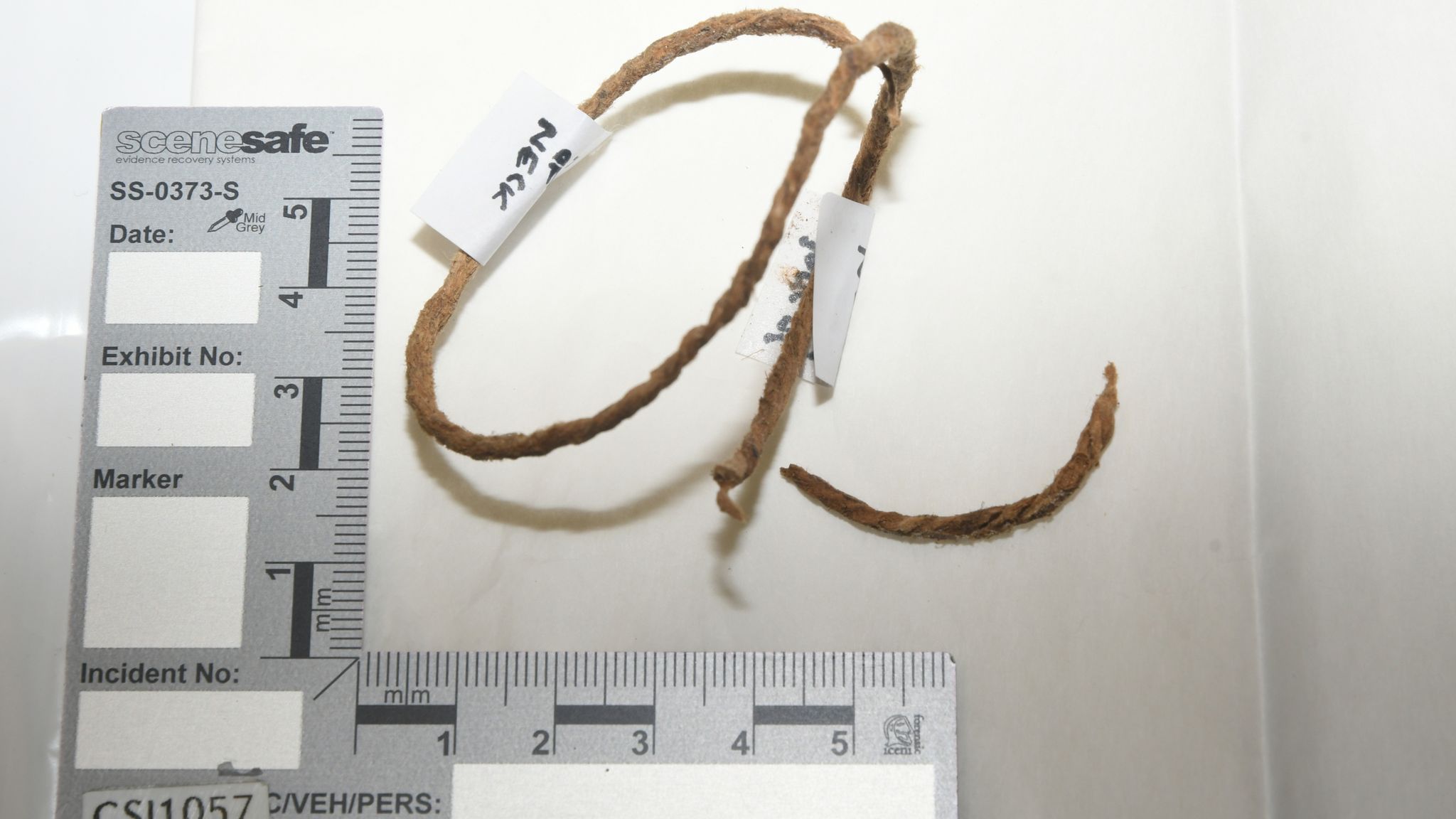
In early 2024, a builder renovating a property on Fore Bondgate in Bishop Auckland uncovered the tiny, carefully wrapped remains of a baby boy hidden beneath the floorboards. The infant, wrapped in a newspaper dated 19 June 1910—The Umpire—was bound with twine around his neck, a somber detail that deepened the mystery surrounding his death.
Forensic experts at the Royal Victoria Infirmary in Newcastle conducted a post-mortem but were unable to determine a definitive cause of death. Carbon dating placed the child’s life before 1945, but further, more precise radiocarbon analysis suggested a possible lifespan dating as far back as between 1726 and 1812, complicating efforts to pinpoint exactly when this baby lived.
Initial examinations indicated the baby was full-term, approximately 40 weeks into development, and that the body had remained undisturbed for many decades. The presence of twine looped three times around the neck raised questions about the circumstances of death, though the coroner later clarified that it could not be confirmed whether the baby was stillborn or had died shortly after birth.
Senior Coroner Jeremy Chipperfield opened an inquest earlier this month to explore the circumstances surrounding the infant’s death. Despite extensive investigation, the cause remains elusive, adding a layer of sadness to this already heart-wrenching story.
A Community’s Tribute: Honoring Baby Auckland’s Forgotten Life
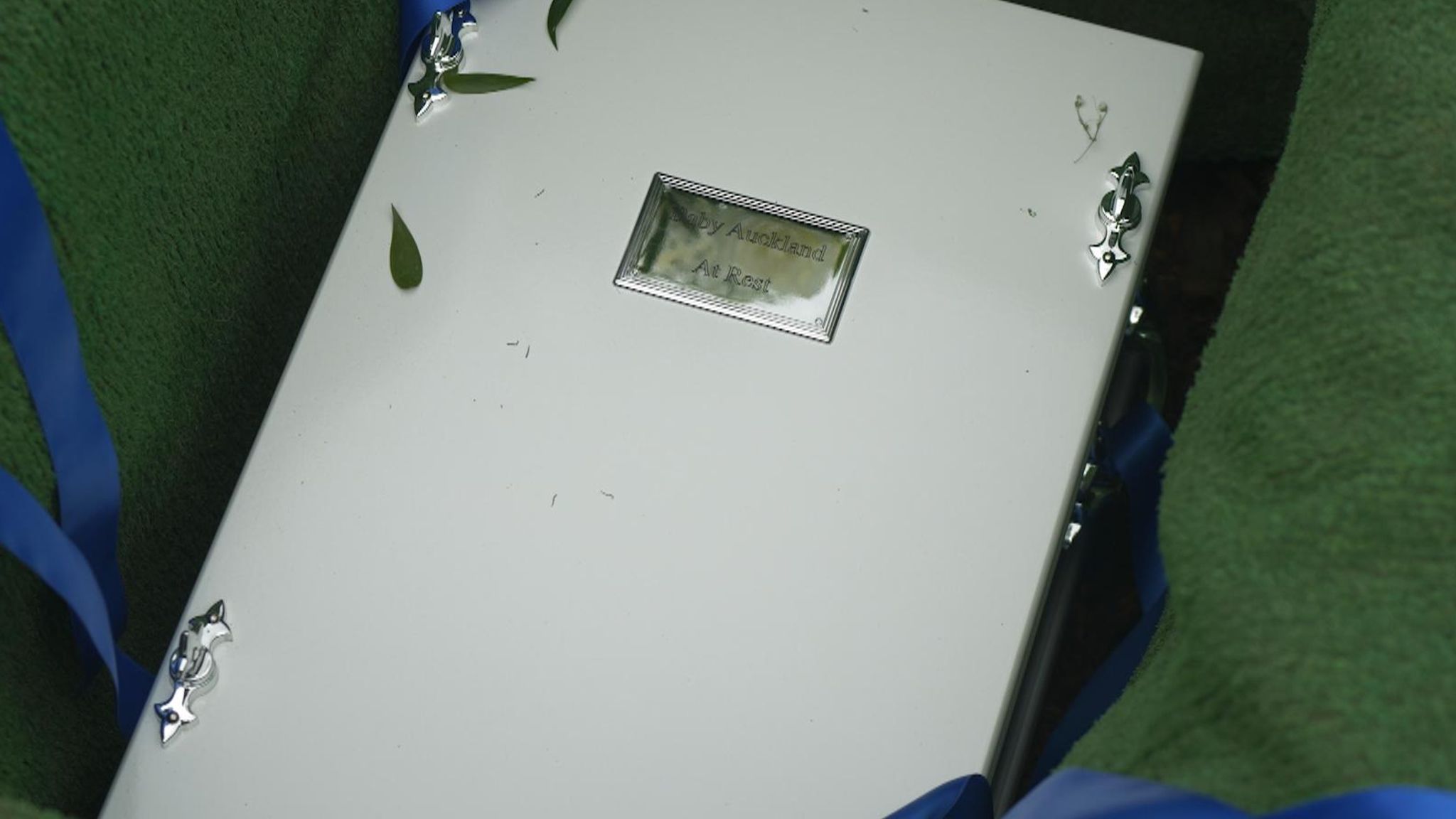
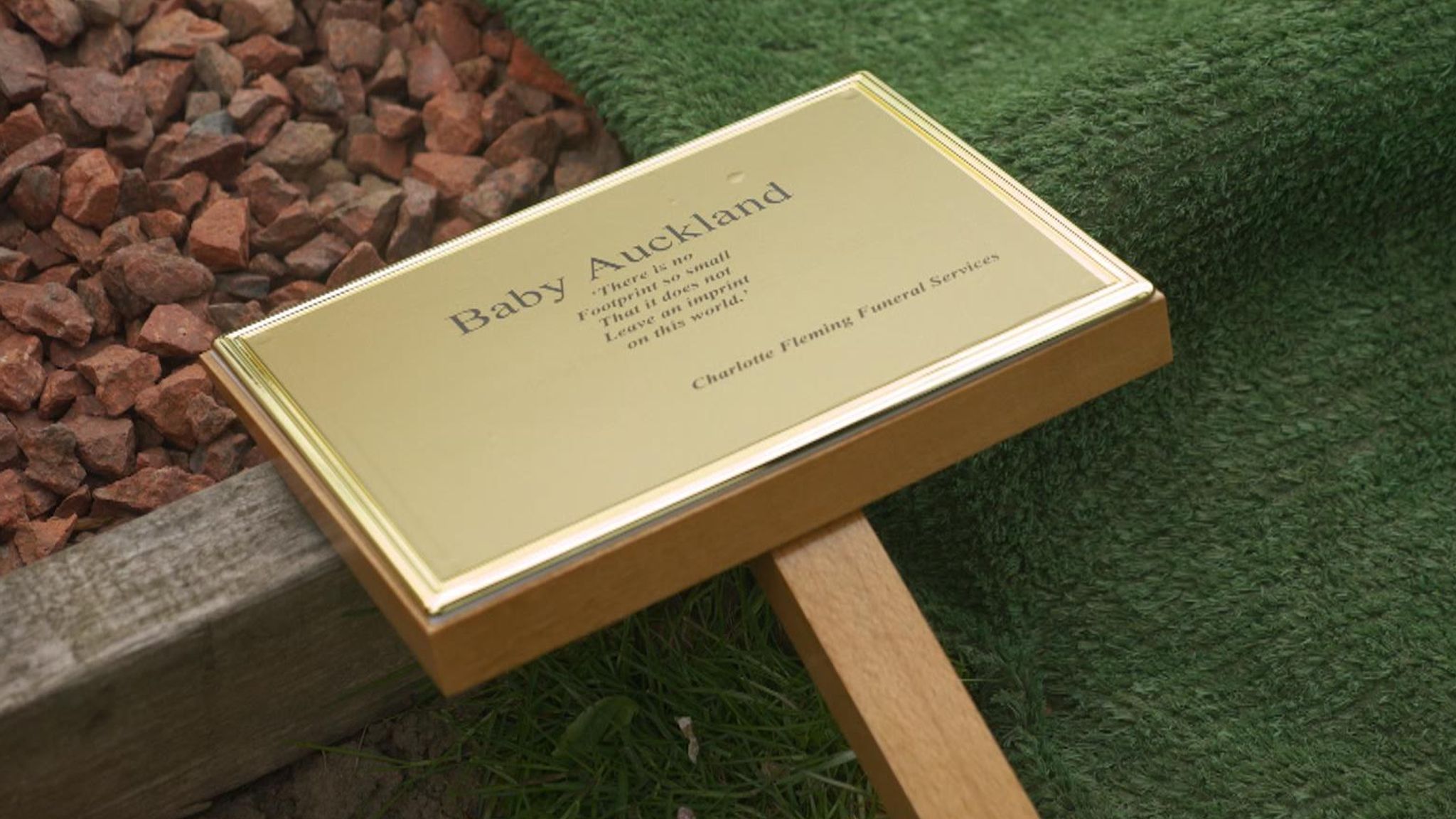
On Monday, the community came together in Bishop Auckland to lay Baby Auckland to rest in a deeply moving and compassionate service. The event marked a solemn recognition of a life long overlooked and served as a collective act of remembrance and respect.
Detective Chief Inspector Mel Sutherland delivered a heartfelt tribute during the funeral, describing the case as “deeply thought-provoking.” He emphasized the importance of acknowledging the child’s existence and ensuring he received the dignity he was previously denied. “We hope he may now rest in peace,” Sutherland said.
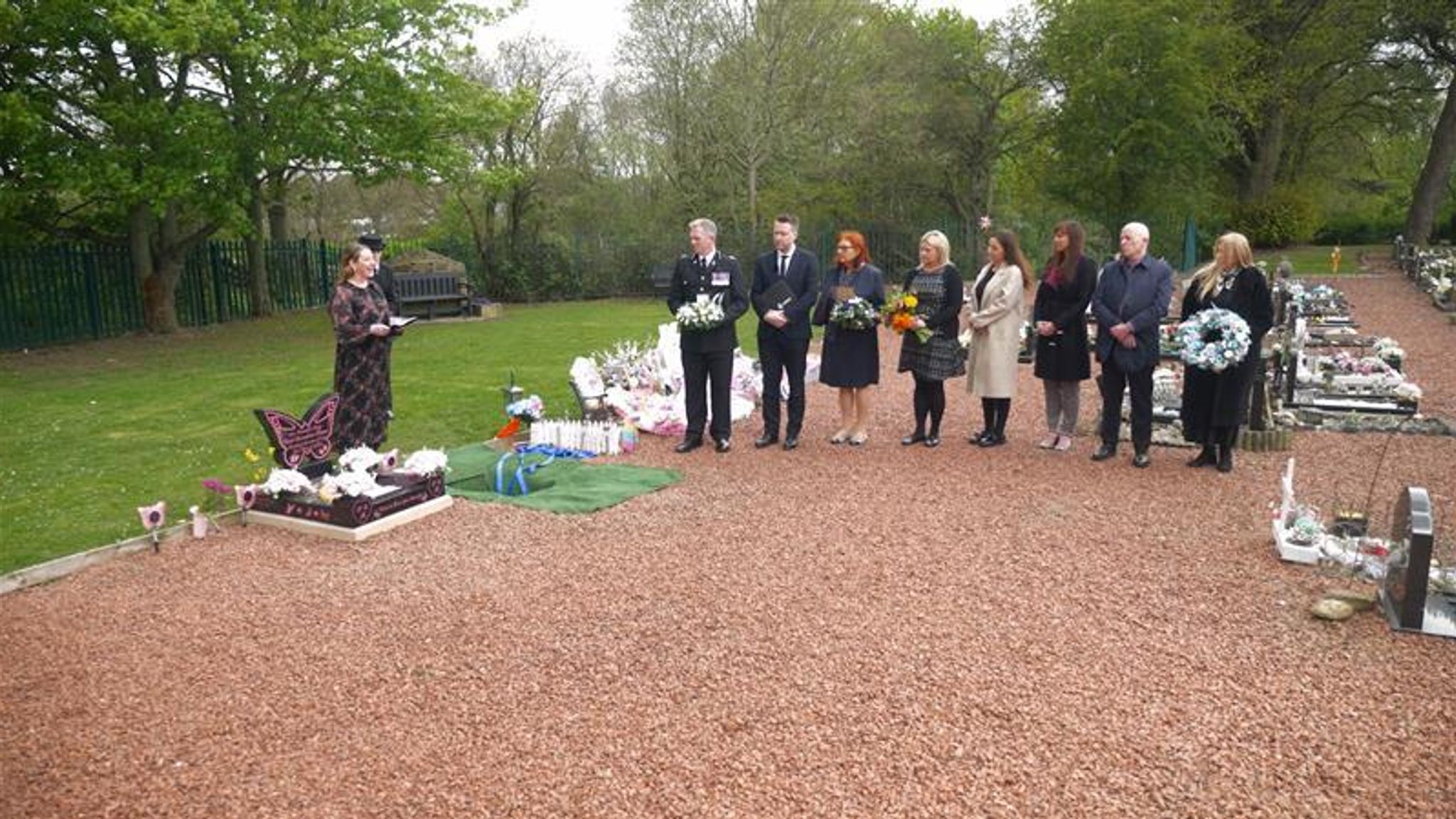
Councillor Cathy Hunt, Durham County Council’s cabinet member for children and young people’s services, reflected on the tragedy of the baby never having been given a proper burial until now. “Sadly, for reasons we will never know, this little boy was never given the dignified and appropriate burial he deserved, so it was important that he was laid to rest in a way that honoured a life that could have been,” she said.
The service also included a poignant moment where Assistant Chief Constable Jon McAdam and other officials laid flowers in remembrance, symbolizing the hope for peace and closure for the infant and the community.
What This Means: Seeking Answers and Closure
The case of Baby Auckland highlights the challenges that forensic science faces when dealing with historical remains. Despite modern technology, some mysteries resist full resolution, leaving unanswered questions about identity, cause of death, and circumstances that led to such a tragic end.
For the people of Bishop Auckland and beyond, this burial represents not only a final farewell but also a commitment to remembering lives that might otherwise be forgotten. It underscores the vital role that compassion and respect play in addressing even the oldest and most enigmatic cases.
Authorities have confirmed that the inquest into the baby’s death will continue next month as they strive to uncover more details. Until then, Baby Auckland rests in peace—finally honored and remembered after more than a century hidden from history.
This case serves as a powerful reminder of the importance of dignity in death and the lasting impact of acknowledging every human life, no matter how brief or shrouded in mystery.