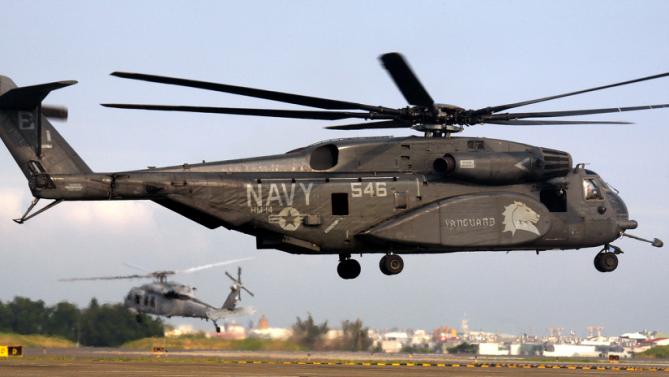
The United States Navy faces a somber moment as it confronts its second helicopter crash within a span of just two days, marking a grim chapter for military aviation safety. Following the fatal incident in England that claimed four lives, another tragedy has unfolded off the coast of Virginia involving an MH-53E Sea Dragon helicopter.
Details of the Virginia Helicopter Crash
On a routine training mission, an MH-53E Sea Dragon helicopter suffered a catastrophic failure and was forced to execute an emergency landing roughly 18 to 20 miles east of Virginia Beach in the Atlantic Ocean. The incident occurred around 11 a.m. local time, immediately prompting a vigorous search and rescue operation coordinated by the U.S. Navy and the U.S. Coast Guard.
Petty Officer David Weydert reported that the helicopter was carrying five crew members at the time of the crash. Two Coast Guard vessels quickly responded to the distress call and arrived at the scene to conduct rescue efforts amid challenging maritime conditions.
The helicopter, known for its heavy-lift capabilities and specialized roles such as mine countermeasures and airborne mine sweeping, went down during what was described as a standard training exercise. The MH-53E’s operational complexity and critical mission profile make any accident involving this aircraft particularly significant to the Navy’s ongoing readiness and safety protocols.

Casualties and Rescue Efforts
Initial reports were unclear about the status of the crew, but subsequent updates confirmed that four crew members were rescued from the frigid waters. Tragically, one of those rescued succumbed to injuries and died in a hospital several hours after the incident. Another crew member remained missing as search operations continued. The conditions of the three other survivors have not been publicly disclosed, highlighting the ongoing concern for their wellbeing.
The Coast Guard’s swift deployment of two vessels to the crash site underscores the urgency and seriousness with which the military responded. These search and rescue operations are conducted in coordination with multiple agencies to maximize the chances of finding the missing service member and to provide immediate medical care to survivors.
Context: A Series of Military Helicopter Crashes
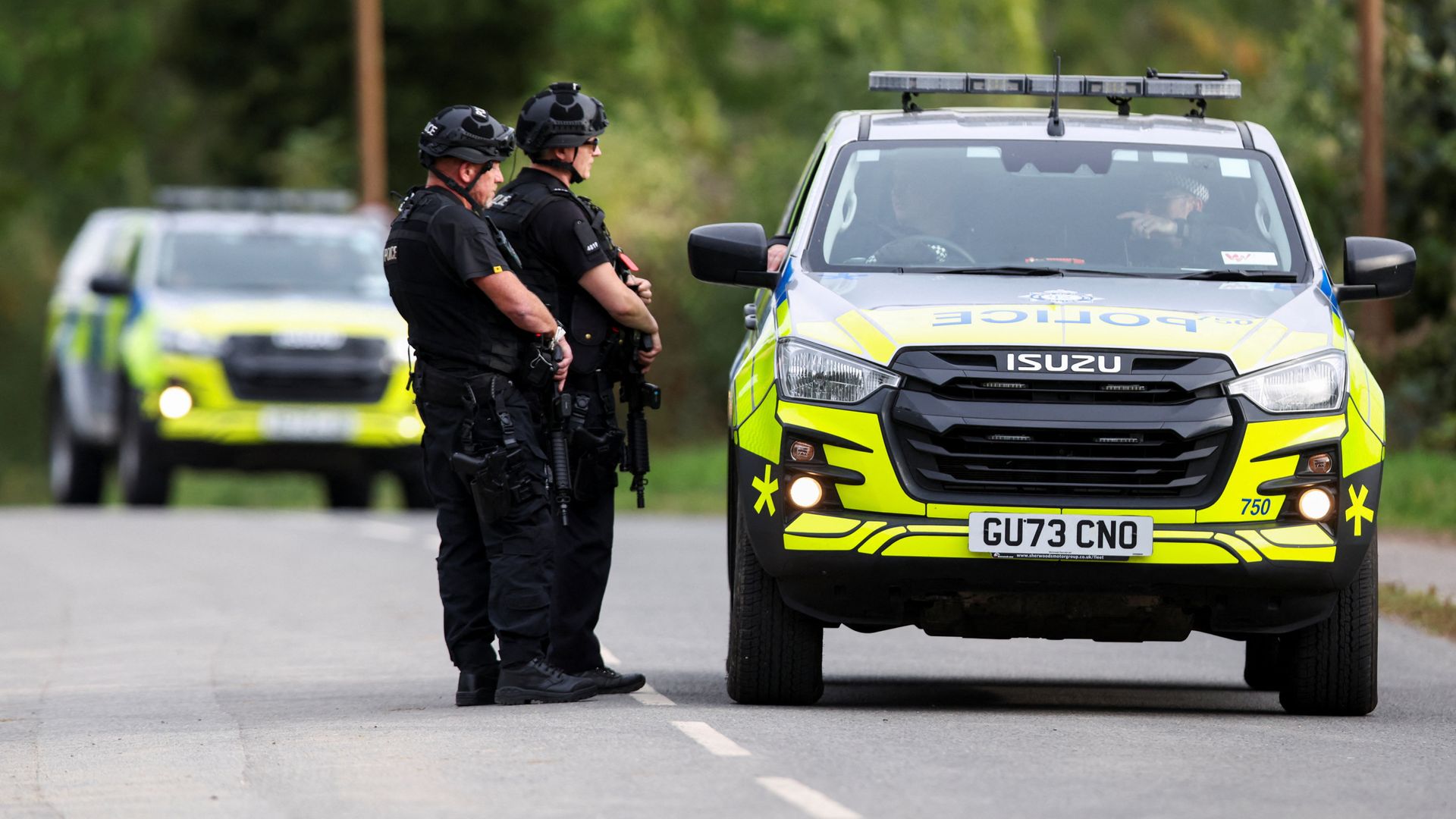
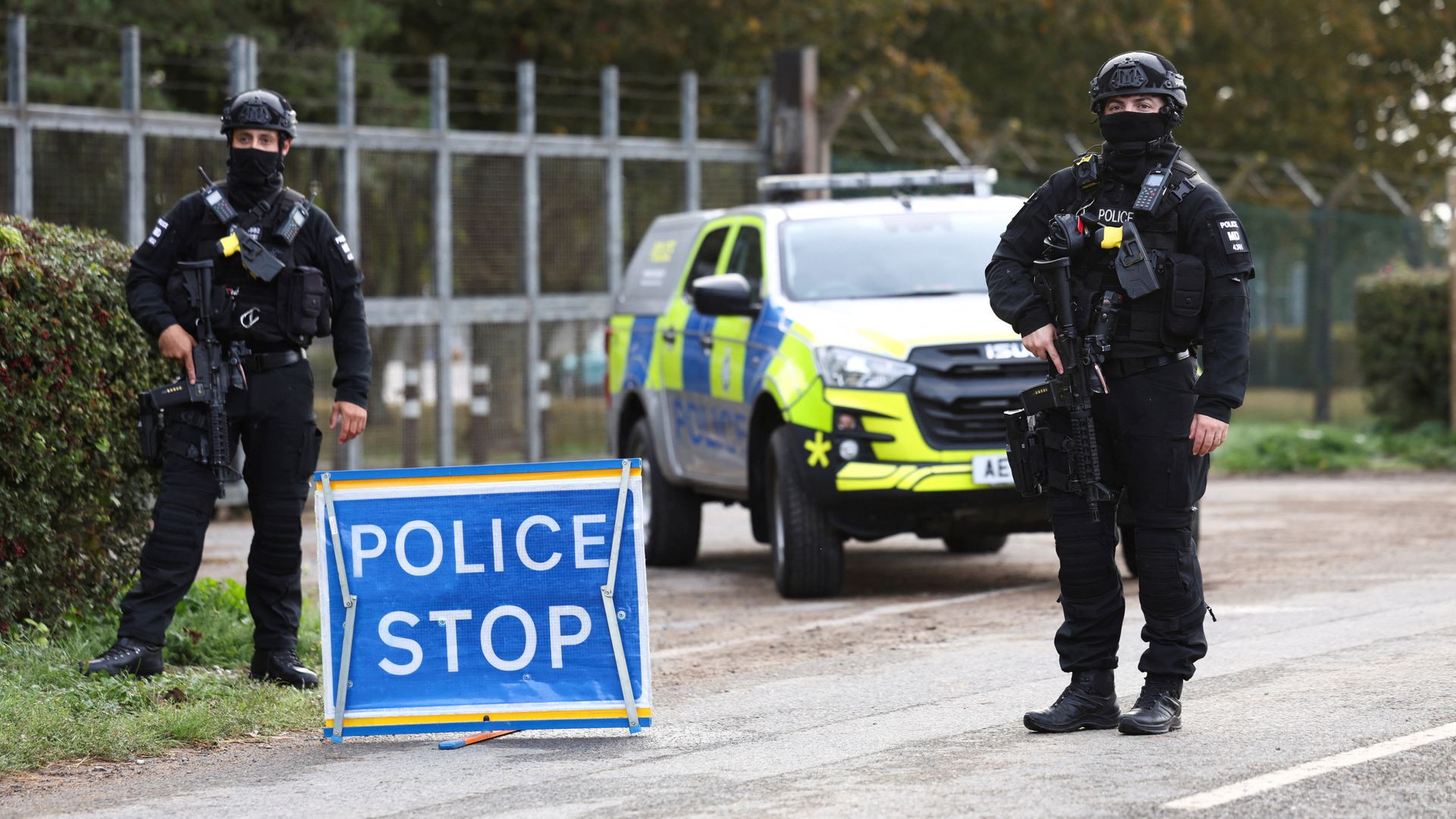
This crash marks the second unfortunate helicopter accident involving the U.S. military within two days. Just the day before, a Pave Hawk helicopter crashed during a low-flying training exercise in Norfolk, England, resulting in the deaths of four crew members. That incident occurred near the coastal village of Cley Next the Sea and involved a helicopter tasked with combat search and rescue missions.
The close timing and similarity of these accidents raise crucial questions regarding helicopter training safety, maintenance protocols, and operational risks. The military often conducts rigorous training exercises to maintain combat readiness, but these incidents highlight the inherent dangers these missions entail, especially in challenging environments like low-altitude flight and over open water.
What This Means for the U.S. Navy and Military Aviation
The Navy has launched a formal investigation to determine the cause of the MH-53E crash off Virginia. Such investigations aim to uncover mechanical failures, human factors, environmental conditions, or a combination thereof that could have contributed to the accident. The findings will be critical in shaping future safety measures and preventing similar tragedies.
Helicopter operations are vital to the Navy’s strategic capabilities, including mine countermeasures, troop transport, and search and rescue. The MH-53E Sea Dragon, specifically, is a cornerstone asset due to its size and versatility. Losses of aircraft and trained personnel represent not only a human tragedy but a strategic setback that calls for renewed focus on risk mitigation.
Moreover, the recent back-to-back crashes serve as a sobering reminder of the sacrifices military personnel endure even during peacetime training. These events reinforce the importance of continuous improvements in aircraft technology, pilot training, and emergency response procedures.
Looking Ahead
As investigations proceed, the Navy and Coast Guard will continue their efforts to recover the missing crew member and support the families affected by these tragedies. The military community and the public alike await clarity on the factors behind these crashes and hope for actionable insights to enhance the safety of future operations.
While the loss of life is deeply mourned, these incidents will likely drive critical evaluations of training protocols and aircraft safety standards. The resilience and dedication of the service members involved remain a testament to their commitment, even in the face of grave dangers inherent in their duties.