

For over a century, Labour has dominated elections in Wales, but this May’s Senedd elections are poised to rewrite that narrative. A new voting system combined with a public eager for change has shifted the political landscape dramatically, with Labour potentially losing its long-held grip on power for the first time in modern Welsh history.
What’s Driving the Political Upheaval?
Labour’s historical dominance in Wales has been challenged by evolving voter preferences and a revamped electoral system designed to better reflect proportional representation. The latest polls reveal a striking departure from tradition: Plaid Cymru and Reform UK are now leading the race, while Labour finds itself scrambling for third place alongside the Green Party.
The most recent ITV YouGov poll underscores this trend, placing Plaid Cymru at the forefront with 33% of the vote and an estimated 43 seats—just six short of an outright majority. Reform UK follows with 27%, and Welsh Labour trails significantly at 13%. This seismic shift signals that Rhun ap Iorwerth, Plaid’s leader, could become Wales’s first non-Labour First Minister, potentially replacing the iconic red rose with Plaid’s daffodil.
However, no party has ever secured an overall majority in Cardiff Bay since devolution began, and the new voting system further reduces the likelihood of any single party achieving one this time. Plaid Cymru has publicly indicated it would form a minority government if no majority emerges, with reports suggesting they have sought strategic advice from the Scottish National Party (SNP), which successfully transitioned from Labour control in Scotland in 2007.
The Rising Role of Smaller Parties: Greens and Reform UK
The Green Party’s recent surge is another crucial development. Led in Wales by Anthony Slaughter and energized by figures such as Zack Polanski, the Greens could secure up to 10 seats—an unprecedented breakthrough for the party in the Senedd.

Slaughter remarked that polls indicate the Greens might hold the balance of power post-election, a milestone that would give them significant influence in shaping policy. This rise offers Plaid Cymru a potential alliance partner, especially given Plaid’s desire to distance itself from Labour’s legacy and prior coalition agreements under Labour-led minority governments.
Both Plaid and the Greens share progressive values: they are left-leaning, pro-European Union, and supportive of Welsh independence. Their recent by-election successes—Plaid in Caerphilly and the Greens in Gorton and Denton—highlight their growing appeal in areas traditionally dominated by Labour.
Nevertheless, challenges remain. Plaid Cymru’s recent decision to abandon its 2035 net zero emissions target may conflict with the Greens’ environmental priorities. Welsh Greens are reportedly consulting with their Scottish counterparts, who famously withdrew from government coalitions when climate commitments were diluted. As one Green source stated, “It’s not about getting a seat at the table for us, it’s about delivering real change.”
Meanwhile, Reform UK, led in Wales by Dan Thomas, has emerged as a formidable contender. Polls place them at 27%, with roughly 30 seats—enough to potentially become the official opposition and displace the Conservatives, who are projected to win just a single seat.
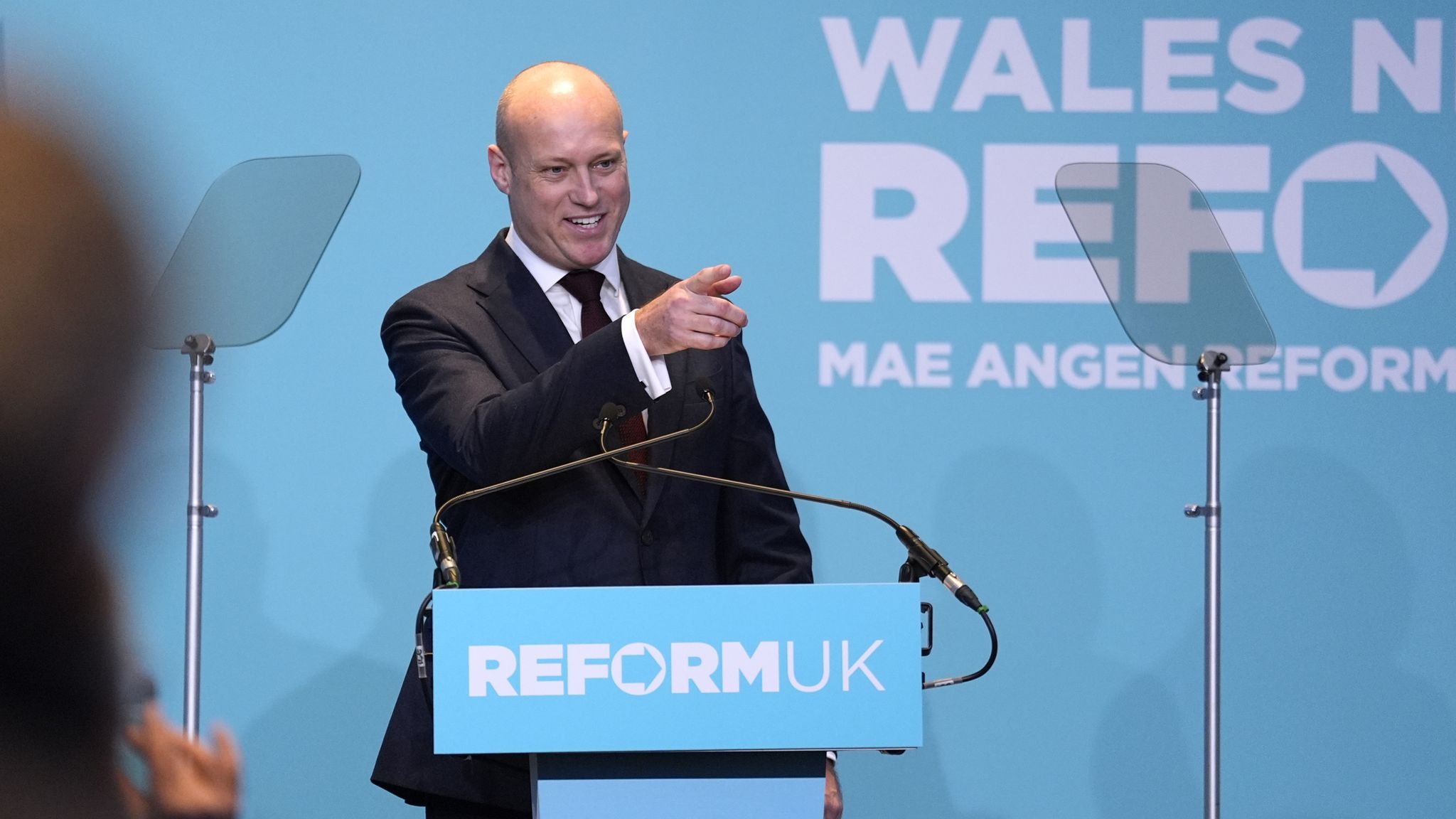
Reform UK’s platform emphasizes scrapping the default 20mph speed limits in urban areas and restricting immigration, resonating with a segment of the Welsh electorate disillusioned with traditional parties. Despite Thomas’s confidence, his path to the First Ministership remains complicated given the lack of coalition partners and the difficulty of securing a majority.
Why the New Voting System Matters
The introduction of a new voting system in Wales adds a layer of unpredictability to the election outcome. Dr. Jac Larner of the Wales Governance Centre explains that each of Wales’s 16 constituencies will elect six members through successive rounds, often decided by razor-thin margins.
“This system makes seat projections genuinely uncertain, especially for mid-sized parties,” Larner said. “A swing of just a couple of percentage points can trigger a cascade of gains or losses across the country.”
He warns that for Labour and the Conservatives, the stakes are particularly high. A narrow shift in vote share could transform a relatively bad night into a catastrophic defeat.
What This Means for Wales and Beyond
The potential end of Labour’s century-long dominance in Wales signals a transformative moment not just for Welsh politics, but for the wider UK political landscape. If Plaid Cymru forms a minority government with Green support, it could accelerate moves toward Welsh independence and reshape policy priorities around climate action and social justice.
Reform UK’s rise reflects growing voter dissatisfaction and a desire for new political narratives, challenging the traditional Tory-Labour dichotomy. Meanwhile, the Greens’ newfound influence introduces fresh environmental imperatives into Welsh governance.
Eluned Morgan, Wales’s current Labour First Minister, remains defiant about retaining power, but polling suggests she faces an uphill battle, with some forecasts indicating she may not even secure her seat.
As voters prepare to cast their ballots on 7 May, the only certainty is uncertainty. The new voting system, coupled with shifting political allegiances, ensures this election will mark a historic turning point. The era of two-party dominance in Wales appears to be ending, and the reverberations will extend far beyond Cardiff Bay, potentially altering the course of Welsh and UK politics for years to come.