

British households face a looming surge in living costs as the escalating conflict involving Iran drives up global oil and gas prices. This geopolitical crisis is poised to intensify inflation and prompt multiple interest rate hikes throughout the year, further straining family budgets across the UK.
Energy Crisis Deepens Amid Iran Conflict
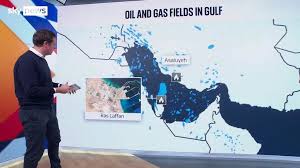
The war in the Middle East has severely disrupted energy markets. Since hostilities erupted, Iran has launched a series of retaliatory strikes on key energy infrastructure in the Gulf, significantly impacting oil and gas supplies. Moreover, Tehran’s decision to throttle the Strategic Strait of Hormuz—a vital maritime route through which approximately 20% of the world’s petroleum passes—has compounded supply fears and sent shockwaves through global markets.
Adding pressure, Israel has targeted Iran’s South Pars gas field, the world’s largest natural gas field, intensifying concerns about long-term energy security. These developments have pushed the price of Brent crude oil to around $110 per barrel, a stark increase from $72 before the conflict began. Wholesale gas prices have surged as well, with units trading at 150p—nearly double the 77p price recorded just three weeks ago.
Economic Fallout: Inflation and Interest Rates on the Rise
For UK consumers, these energy price hikes translate directly into higher household bills. Economists now warn that inflation could soar to 5% this year, a significant jump from earlier projections. This inflation spike is expected to force the Bank of England to raise interest rates multiple times, reversing previous expectations of rate cuts.
Ed Conway, Sky News economics and data editor, described the situation as “extraordinary,” noting that prior to the conflict, forecasts anticipated inflation falling to 2% alongside two interest rate reductions by the Bank of England.
In its latest move, the Bank of England held the base interest rate steady at 3.75%, but market traders predict increases in June, July, and December, potentially pushing rates up to 4.5% by the end of 2026. This tightening monetary policy is already impacting mortgage rates. The average two-year fixed mortgage rate has jumped from 4.83% at the start of the month to 5.3%, marking the highest level since April 2025. Similarly, the typical five-year fixed mortgage rate has risen to 5.35%, the highest since August 2024.
Government borrowing costs are also soaring at their fastest pace since the 2022 mini-budget crisis under Liz Truss, further threatening the UK’s economic growth prospects amidst this turbulent backdrop.
Government Response and Political Reactions
In response to the mounting pressures on households, the UK government has rolled out a £53 million aid package aimed at supporting families dependent on heating oil, a vulnerable group facing acute cost spikes due to the conflict.
Labour leader Sir Keir Starmer has emphasized the growing economic burden on families, linking the rising cost of living directly to the ongoing war. He advocates for a “negotiated settlement with Iran” as the most effective path to easing these pressures. Starmer’s stance has garnered public support but has drawn criticism from the White House, reflecting divergent views on the conflict’s resolution.
On the defense front, Defence Secretary John Healey highlighted the seriousness of Iranian attacks on energy facilities in Saudi Arabia, Qatar, and Kuwait, describing them as a “serious escalation.” Despite opposition to direct involvement in the conflict, the UK is “stepping up” defensive support for Gulf allies. British RAF jets are already deployed in the Middle East, and UK military strategists are collaborating with the US and other partners on plans to secure and potentially reopen the Strait of Hormuz, ensuring the flow of vital energy supplies.
What This Means for UK Households and the Economy
The intersection of geopolitical turmoil and global energy markets creates a perfect storm for UK consumers. Rising oil and gas prices inflate the cost of heating, electricity, and transportation, driving up everyday expenses. Coupled with expected interest rate hikes, mortgage holders face steeper payments, and businesses may grapple with higher borrowing costs, potentially slowing economic growth.
Households already struggling with the cost of living crisis will feel amplified pressure, making government support measures critical in the months ahead. The economic landscape remains uncertain, hinging largely on how the conflict unfolds and whether diplomatic efforts can succeed in de-escalating tensions.
As the UK navigates this challenging period, monitoring energy markets and policy responses will be essential for understanding the full impact on inflation, interest rates, and household finances in 2024 and beyond.