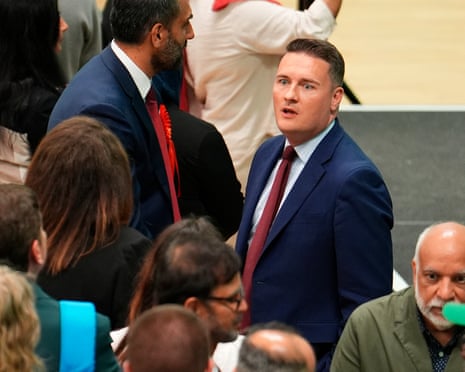
Wes Streeting, a prominent figure vying to succeed Keir Starmer as Labour leader, confronts a significant obstacle: winning over the party’s grassroots members. Despite his profile as a ready contender, many within Labour’s rank and file remain unconvinced by his leadership appeal, casting doubt on his path to the top.

The Challenge of Party Members’ Preferences
Since taking the helm of the Labour Party, Keir Starmer and his team have emphasized putting “country first, party second,” aiming to distinguish their approach from the self-inflicted wounds of previous Conservative governments. However, in Labour politics, the opinions of party members carry substantial weight, especially when it comes to leadership contests.

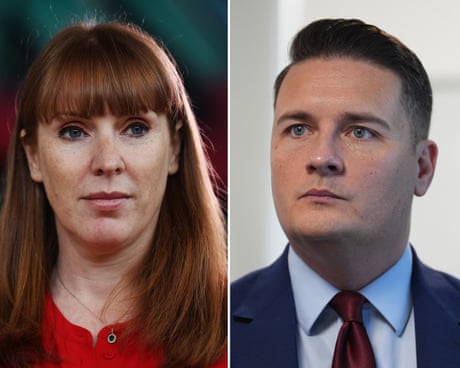
Recent polling underscores the difficulties Streeting faces. A Compass survey conducted just before Labour’s heavy local election defeats revealed that 42% of over 1,000 Labour members would prefer Andy Burnham as Starmer’s successor, compared to a mere 11% backing Streeting. Burnham also enjoys a 44% favourability rating, starkly contrasted by Streeting’s 18%. This places Streeting on par with figures like Angela Rayner and Ed Miliband, but significantly behind Burnham.

What makes these numbers more telling is the ideological divide they expose within the party. Burnham, Rayner, and Miliband are all positioned to the left of Streeting, who is associated with Labour’s right wing and the Blairite Progress faction. This suggests that the majority of Labour members prefer a leader with a more left-leaning stance than Streeting’s perceived centrist or centre-right positioning.

Streeting’s Ideological Position and Attempts to Shift Left
Streeting’s political journey traces back to close ties with Peter Mandelson and alignment with Blairite policies. In recent months, observers have noted his efforts to reposition himself further leftwards, likely an attempt to connect with the party’s activist base who will ultimately decide the leadership outcome after nominations from MPs.

Research from Queen Mary University of London reveals that nearly half (48%) of Labour members identify as “fairly leftwing,” with many remaining aligned with the party’s soft left. This ideological composition reflects in the narrow margins of Labour’s recent deputy leadership election and the notably low voter turnout among members, signaling cautious engagement but a clear leftward tilt.

Labour’s membership figures tell a story of attrition and disillusionment. From a peak of over 530,000 members at the end of 2019, the party has shed more than 200,000, dwindling to approximately 333,000 by early 2024. Many defected to the Greens or other smaller parties, while others simply abandoned party politics altogether.

Tim Bale, a politics professor at Queen Mary University, explains this exodus: “Many grassroots members have left Labour since the general election, either joining the Greens or no party at all. Starmer’s perceived betrayal of his 2020 leadership promises fuels this disillusionment.” Yet, Bale warns that “those on the right hoping the remaining members align with them are mistaken.”

What Streeting Must Do to Win Over Members
Despite these challenges, there remains a window of opportunity for Streeting. Bale points out that even the party’s left-leaning base values electability. Starmer’s own rise in 2020 over the left’s preferred successor, Rebecca Long-Bailey, demonstrates members’ pragmatic streak: they want leaders who can win general elections.

For Streeting, this means proving he is the candidate best positioned to deliver electoral success. His track record as Health Secretary and his perceived readiness for leadership give him some credibility on this front. However, he must convincingly bridge the gap between his centrist roots and the left-leaning preferences of the membership.

Labour’s internal dynamics remain complex. The party’s future direction hinges on whether it can reconcile its ideological factions and present a unified front that appeals both to its base and the broader electorate. Streeting’s path to leadership will require not only winning over MPs but also overcoming skepticism among the grassroots members who hold the ultimate power in choosing Labour’s next leader.

Why This Matters for Labour’s Future
The Labour Party stands at a crossroads. After disappointing local election results and a membership base fractured by ideological divisions and attrition, the choice of leader will profoundly impact its strategy and success in upcoming national elections.

Streeting’s struggle highlights the broader tension within Labour: balancing the demands of a politically engaged, predominantly left-leaning membership with the necessity of appealing to the wider electorate. The party’s ability to unite its factions and select a leader who embodies both ideological appeal and electoral viability will determine whether it can regain momentum against the Conservatives.

As Labour prepares for its next leadership contest, the question remains—can Wes Streeting navigate this narrow road to secure the confidence and enthusiasm of Labour’s grassroots members, or will the party turn to a candidate more firmly rooted in the left to chart its future?