

Westminster has long been criticised as a “boys’ club,” and despite significant advancements in female representation, many insiders argue that this perception remains stubbornly entrenched. The question is not just about numbers—more women are now MPs and senior civil servants than ever before—but about influence, access, and whether women truly have a seat at the table where power is wielded.

The Persistent Grip of the “Boys’ Club”
When asked if politics remains a “boys’ club,” a seasoned female government veteran answered unequivocally: “Yes.”
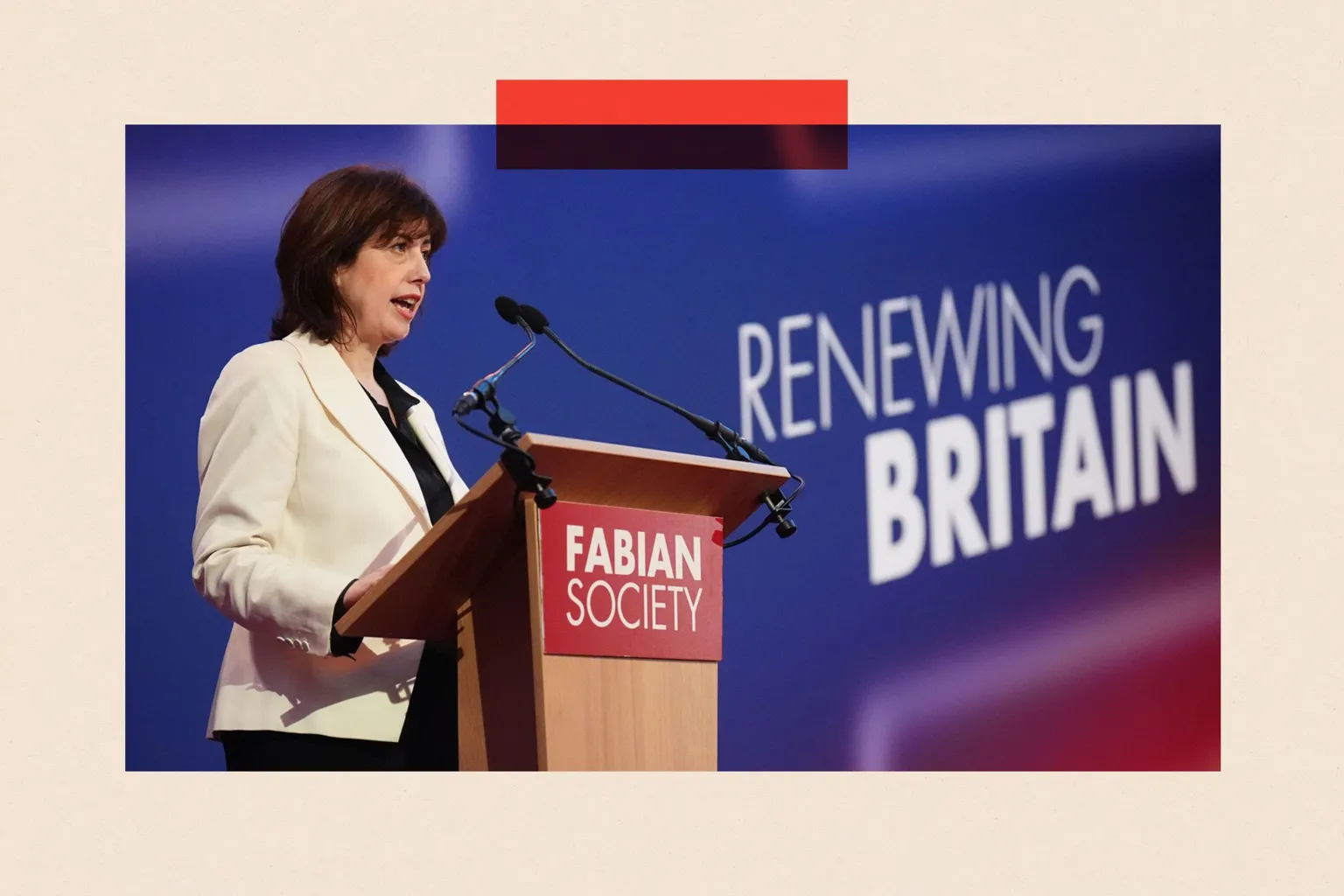
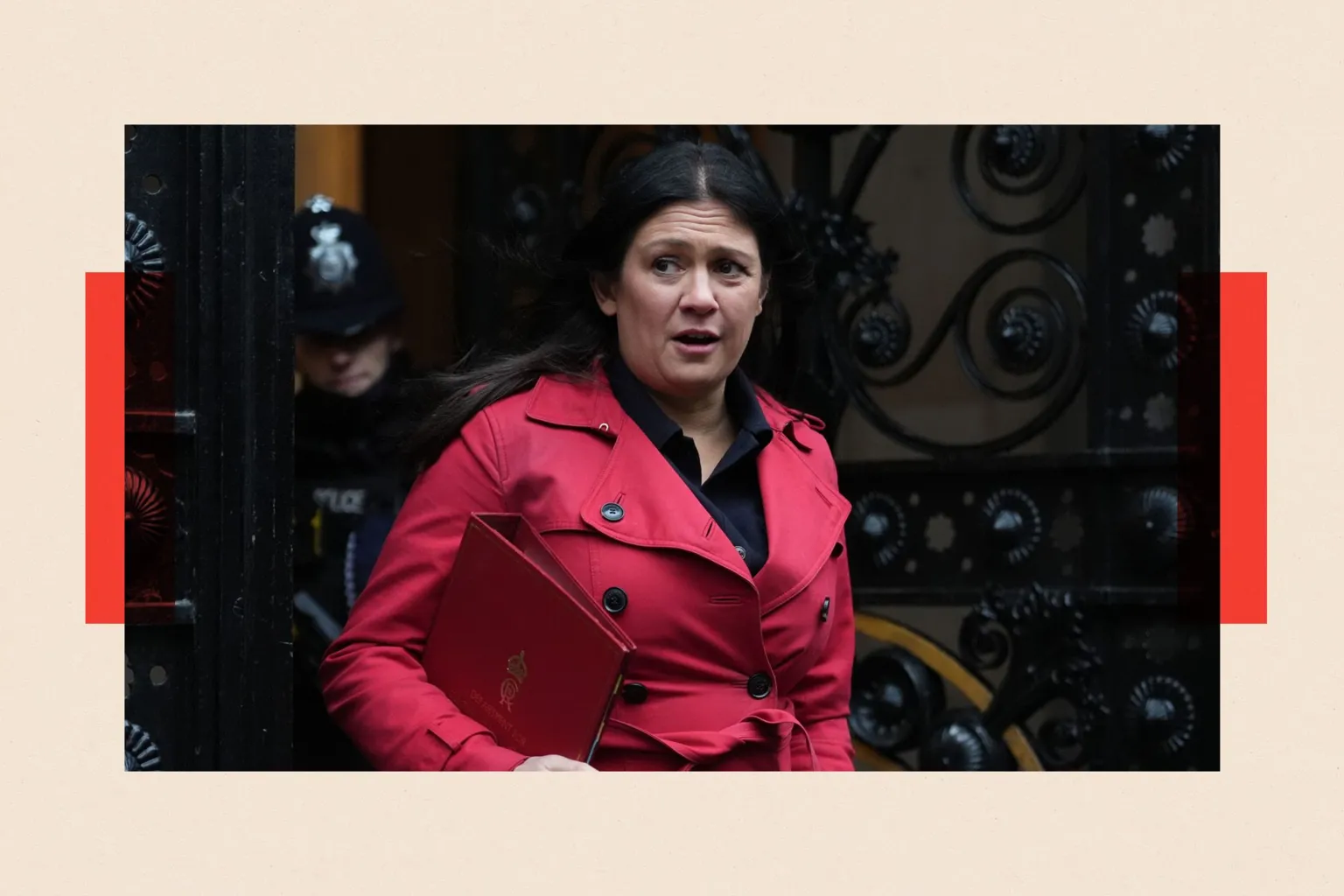
While female MPs have increased, and women hold prominent roles across Whitehall, this does not always translate into genuine inclusion in the decision-making inner sanctums. Labour’s Lisa Nandy, a current cabinet minister, recently described the party’s operation as a “boys’ club,” highlighting that briefings have been “dripping with misogyny.” Such candid admissions from a senior Labour figure underscore the challenge.
This issue is far from new. It has been over a century since Nancy Astor became the first woman to take her seat in Parliament—back then, there were no women’s toilets in the Palace of Westminster. Even in 2024, when Rachel Reeves entered the Treasury, she reportedly found a urinal in the Chancellor’s bathroom. These anecdotes illustrate how long it has taken for women to gain full access in political spaces.
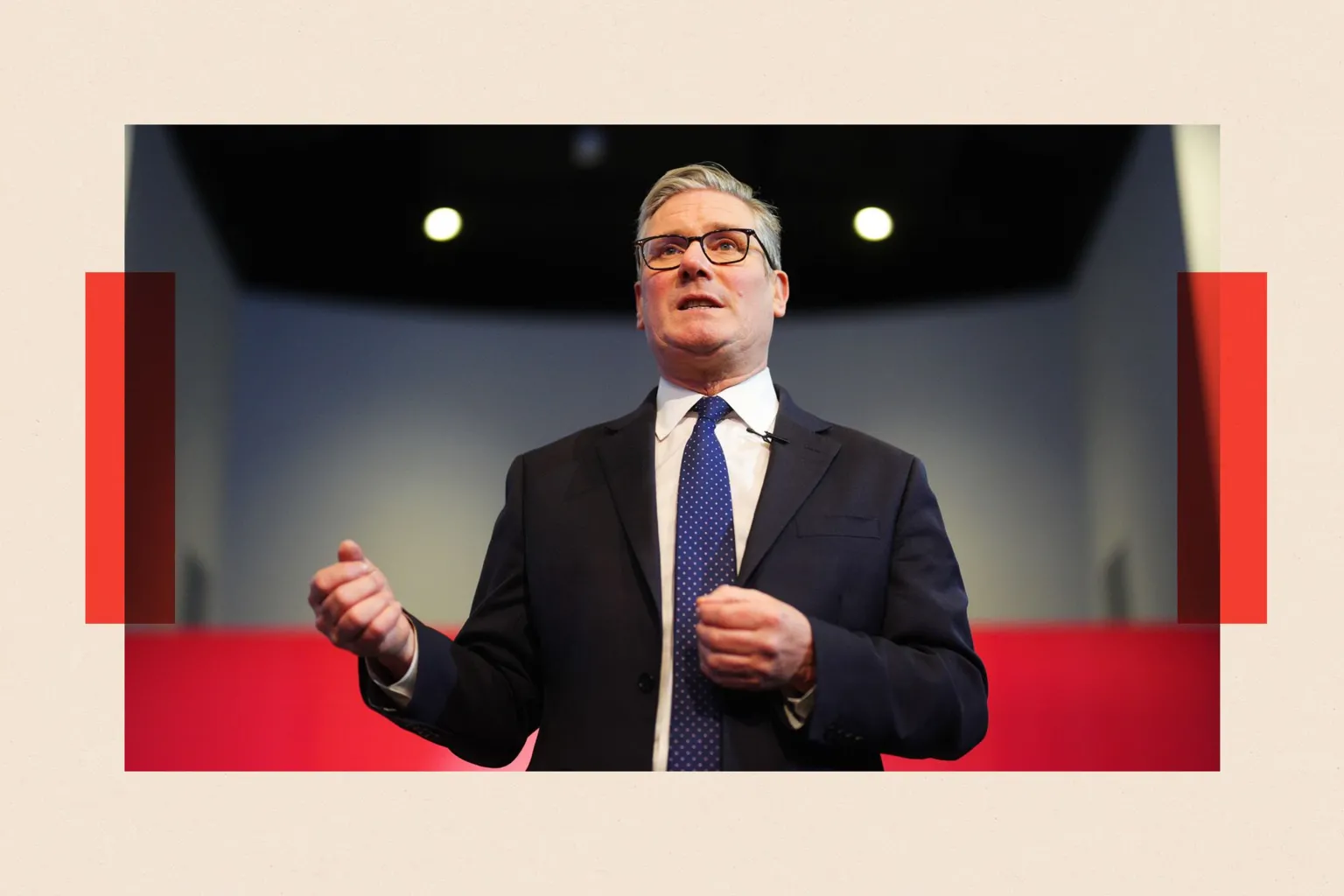
One former Labour minister describes the problem as particularly acute for Prime Minister Keir Starmer. “He’s not very political,” they say, “so he has had to rely heavily on his existing network—the boys’ network—without fully appreciating the downsides.”
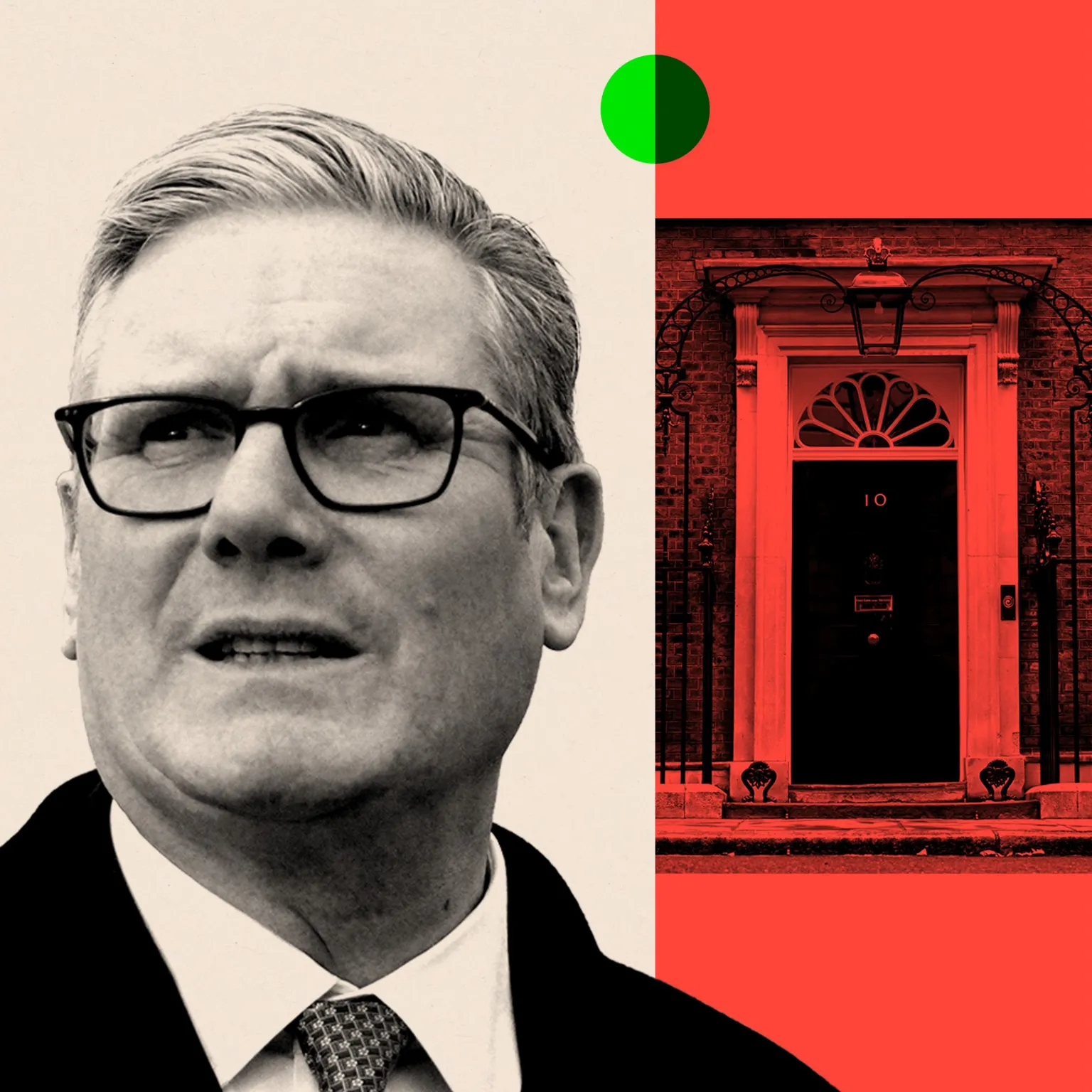
The “boys’ club” is often characterised by cliques and factions rather than just gender. One cabinet member referred to a “whole network of Matts,” while others joked about the “boys in blue suits” or the “ladz”—a faction once centred around Morgan McSweeney, the former chief of staff. Despite the presence of influential women such as Home Secretary Shabana Mahmood, Foreign Secretary Yvette Cooper, and Chancellor Rachel Reeves, sources indicate that female ministers sometimes struggle to secure “face time” with the Prime Minister, a crucial commodity in politics.
Factionalism and Culture: More Than Just Gender
The “boys’ club” label often masks a deeper issue—factionalism. According to veteran Labour insiders, Westminster suffers from numerous cliques that rarely communicate across divides. This siloed culture leads to decision-making dominated by a narrow group, often sidelining dissenting voices.
Starmer’s reliance on a tight circle of advisers from a hard-edged wing of Labour, linked to Morgan McSweeney, has been criticised internally. Some blame this factional dominance more than deliberate gender exclusion. Still, excluding talented individuals for any reason means missing out on the best possible team.
Senior Labour figures acknowledge this dynamic is beginning to change. Starmer has appointed a female interim chief of staff and a female political director, signalling a commitment to diversify his inner circle. Yet, critics caution against dismissing women’s concerns as mere factional rivalries. One senior politician warns that such excuses “would be hopeless” and that genuine efforts are needed to address systemic misogyny.
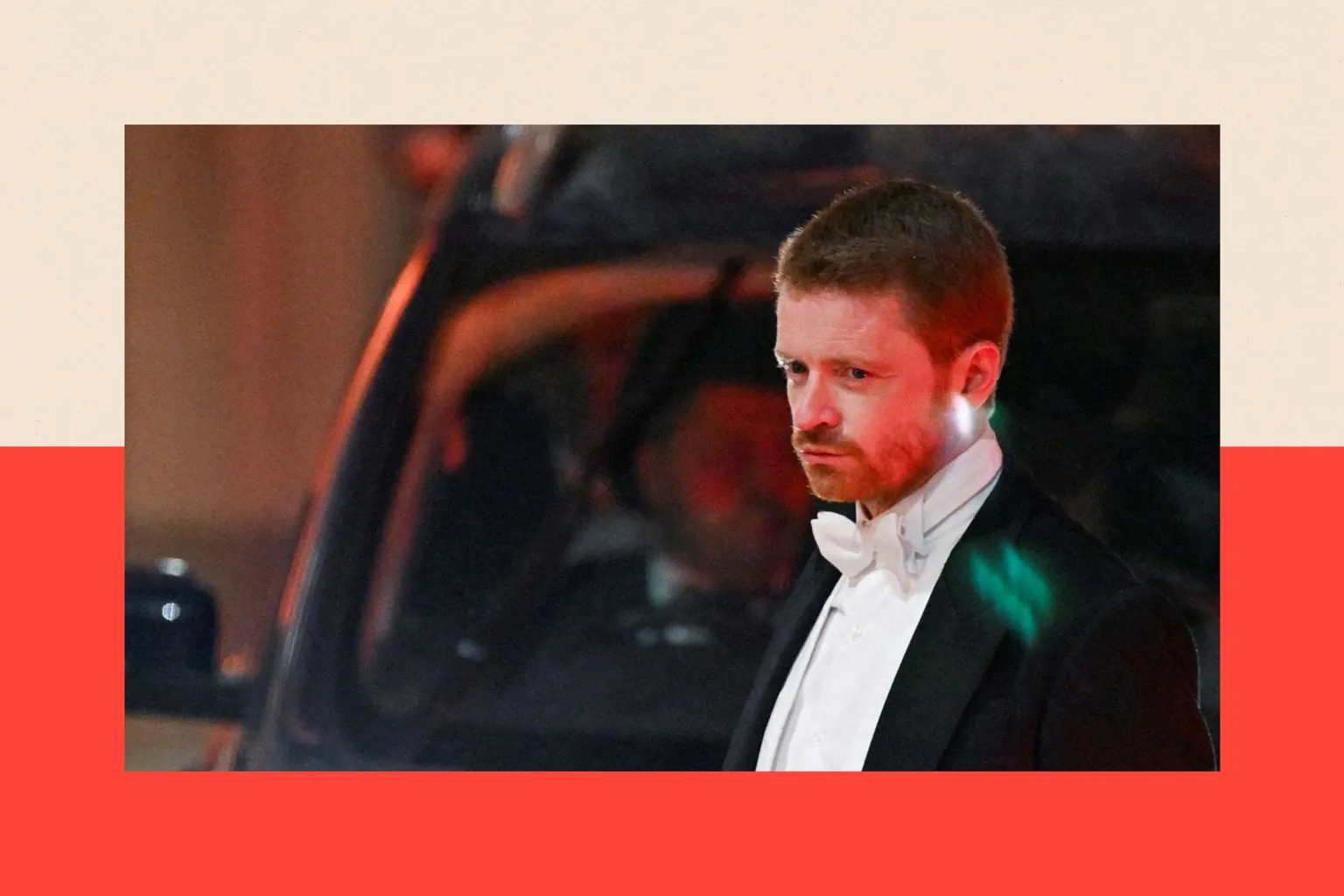
Recent controversies, such as the appointment of Peter Mandelson despite his associations with Jeffrey Epstein, have intensified calls for reform. Many in Labour circles hope the “boys’ club” is fading, replaced by a more inclusive culture.
Why It Matters: Representation, Culture, and Decision-Making
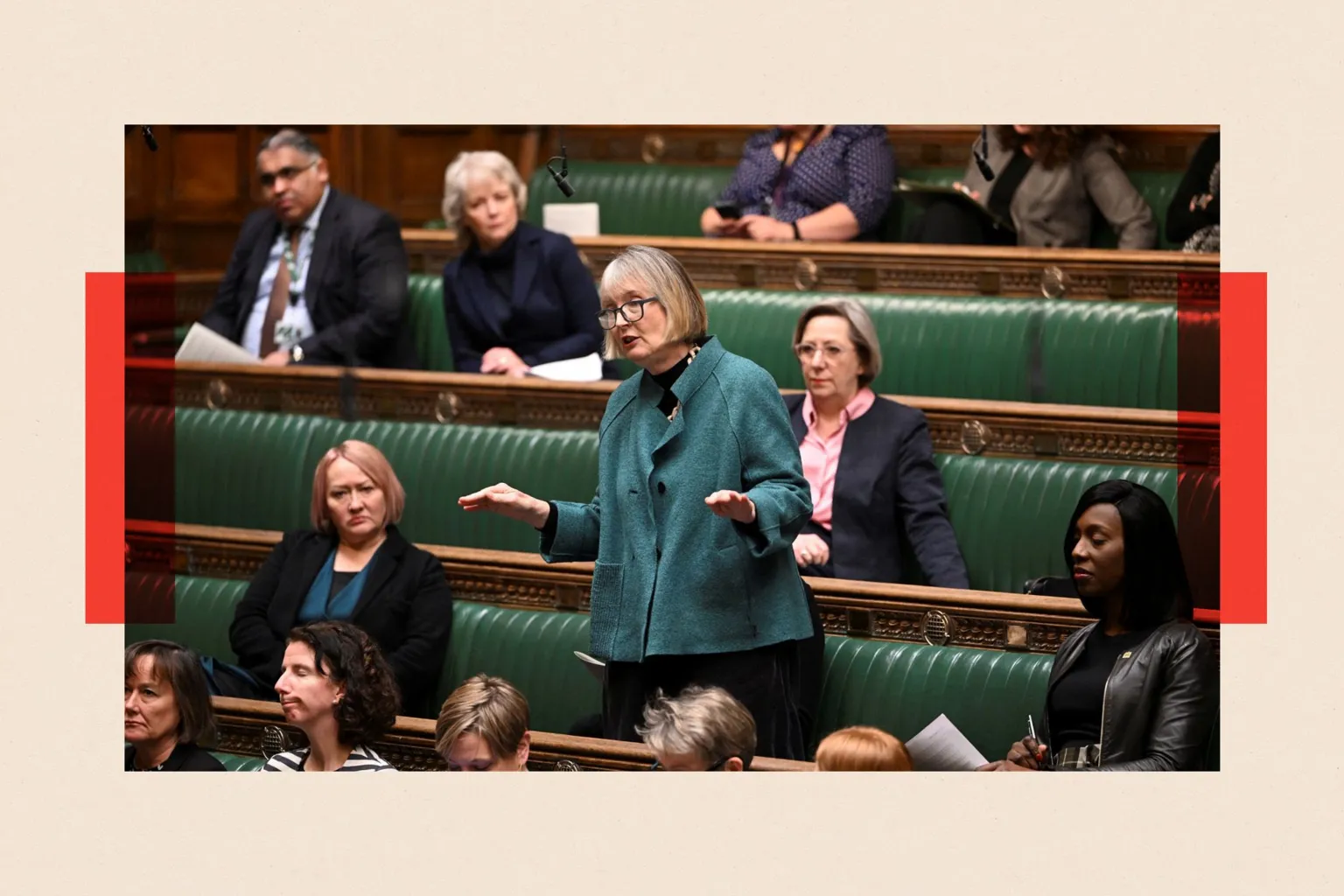
The persistence of a male-dominated culture in Westminster has tangible consequences. During the COVID-19 pandemic, for example, Helen MacNamara—the then second most senior civil servant—revealed that decisions often overlooked issues disproportionately affecting women and families. Lockdown policies failed to adequately consider childcare, domestic violence victims, and the needs of children, while more traditionally male interests like hunting and golf received more attention.
Beyond policy, the culture in Westminster remains challenging for women. The late-night working environment, blurred lines between social and professional settings, and lingering sexist attitudes contribute to discomfort and exclusion. Even junior female staffers can find themselves in inappropriate or uncomfortable situations, a reality acknowledged by former cabinet ministers.
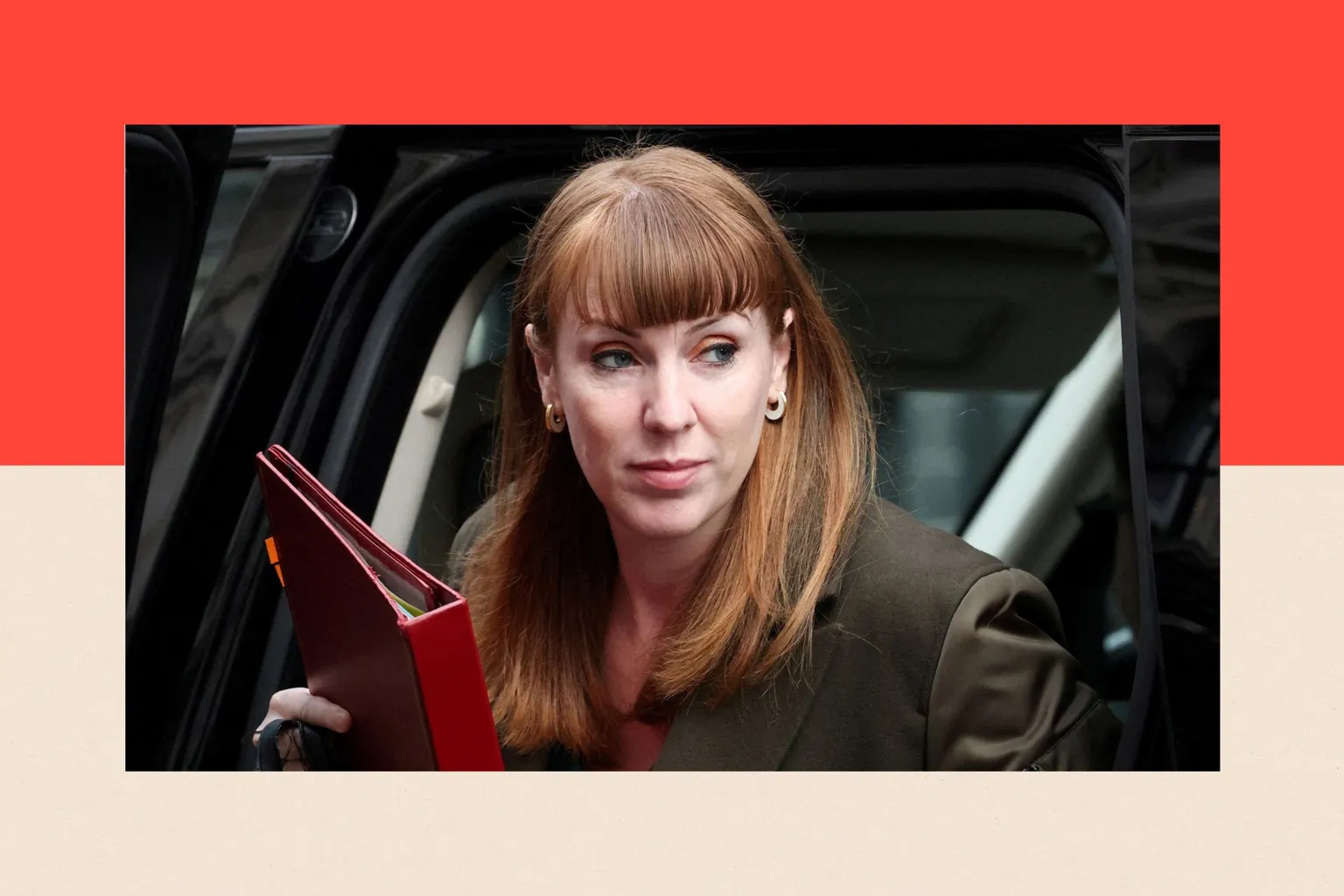
Moreover, women in politics face different standards than their male counterparts. Angela Rayner’s tax affairs received harsher scrutiny than similar issues would have warranted for men. Likewise, Dame Antonia Romeo, Starmer’s new cabinet secretary, has faced misogynistic attacks focusing on her ambition and appearance—traits lauded in men but weaponised against women.
Despite record numbers of women in Parliament and senior roles, gender parity in influence and treatment remains elusive. As one senior Labour figure bluntly put it, politics can feel like “gang warfare,” where loyalty and shared battles often trump inclusivity.
Looking Ahead: Can Westminster Change?
There is cautious optimism that Westminster’s culture can evolve. The appointment of women to key roles and increasing awareness of the problem mark important steps. Yet, dismantling entrenched networks and shifting longstanding cultural habits takes time.
Ultimately, this is about more than optics. It is about ensuring that half the population—women—are fairly represented not only in numbers but in the power to influence decisions that affect everyone. As one insider said, “If you exclude anyone, you’re not getting the best people. It’s not about being woke; it’s about good governance.”
Prime Minister Starmer faces mounting pressure from his MPs to broaden the range of voices he listens to, and to prove that the “boys’ club” perception is more myth than reality. The stakes are high: inclusive governance promises better policies, fairer representation, and a political culture that truly reflects the society it serves.

For now, Westminster remains a complex battleground where progress and tradition collide. Whether it can fully shed the legacy of the “boys’ club” remains to be seen—but the conversation has unmistakably shifted, with women demanding not just a place on the benches, but a voice in the corridors of power.