The White House will not intervene in the extradition process of Andrew and Tristan Tate to the United Kingdom, according to a clear statement from US Secretary of State Marco Rubio. The brothers face serious allegations including rape and sex trafficking, but the US government insists the matter falls outside its jurisdiction.
What Happened: Tate Brothers’ Extradition Controversy
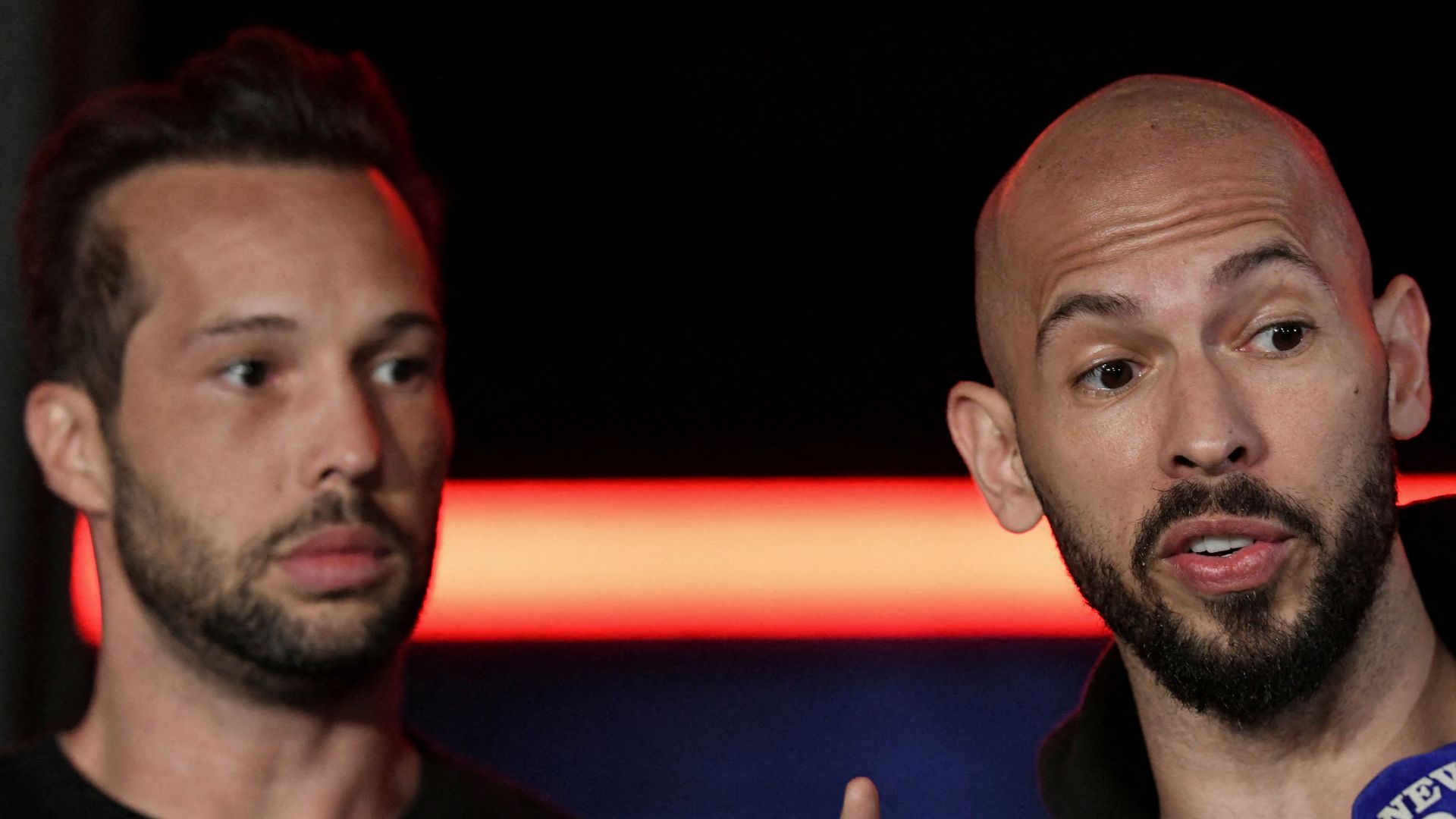
Andrew and Tristan Tate, known for their controversial online presence and business ventures, are currently subject to extradition proceedings to the UK. British authorities have charged them with multiple offenses related to sexual crimes and human trafficking. These allegations have drawn significant international attention due to the high-profile nature of the individuals involved and the severity of the accusations.
In response to mounting public interest and speculation, Secretary of State Marco Rubio explicitly stated that the White House has no role in influencing or managing the extradition process. This clarification aims to separate the executive branch’s responsibilities from the judicial and law enforcement processes between the two countries.
Why the White House Is Not Involved
Extradition cases generally fall within the purview of legal and diplomatic channels rather than direct intervention by the White House or the President. The US and UK maintain an established extradition treaty that outlines the procedures for handling such cases. The process involves legal reviews, judicial hearings, and decisions made by courts and law enforcement officials.
Secretary Rubio’s statement underscores that the executive branch respects the independence of the judiciary and legal frameworks governing extradition. The US government’s role is limited to ensuring that treaty obligations are met without political interference.
This stance also reflects a broader commitment to uphold the rule of law and maintain diplomatic respect between allied nations. By distancing the White House from the extradition issue, the administration avoids politicizing a sensitive legal matter that involves serious criminal allegations.
What This Means for the Tate Brothers and International Justice
The Tate brothers’ extradition case highlights the complexities at the intersection of international law, diplomacy, and criminal justice. While their supporters have called for political intervention, the US government’s clear position emphasizes adherence to established legal protocols.
If extradited, Andrew and Tristan Tate will face trial in the UK courts, where evidence will be presented and their guilt or innocence determined through due process. This case serves as a high-profile example of how international cooperation functions in tackling cross-border crimes such as human trafficking.
Moreover, the White House’s refusal to engage sends a message about the limits of political power in judicial matters. This approach reinforces the principle that legal accountability transcends political influence, especially in cases involving alleged human rights abuses and serious criminal conduct.
Looking Ahead: The Path Forward
The extradition process is expected to proceed according to the legal timetable established by the US and UK authorities. Both governments have expressed a commitment to cooperation and the rule of law, ensuring that justice is served without undue delay or interference.
For the public and observers, this case underscores the importance of respecting legal boundaries and the independence of judicial systems. As the Tate brothers await their fate in British courts, the international community watches closely, recognizing the broader implications for extradition practices and international human rights enforcement.
Ultimately, Secretary Rubio’s statement clarifies the US government’s role and reaffirms a commitment to impartial justice, free from political maneuvering. The outcome of this case will stand as a testament to the strength of legal institutions on both sides of the Atlantic.