

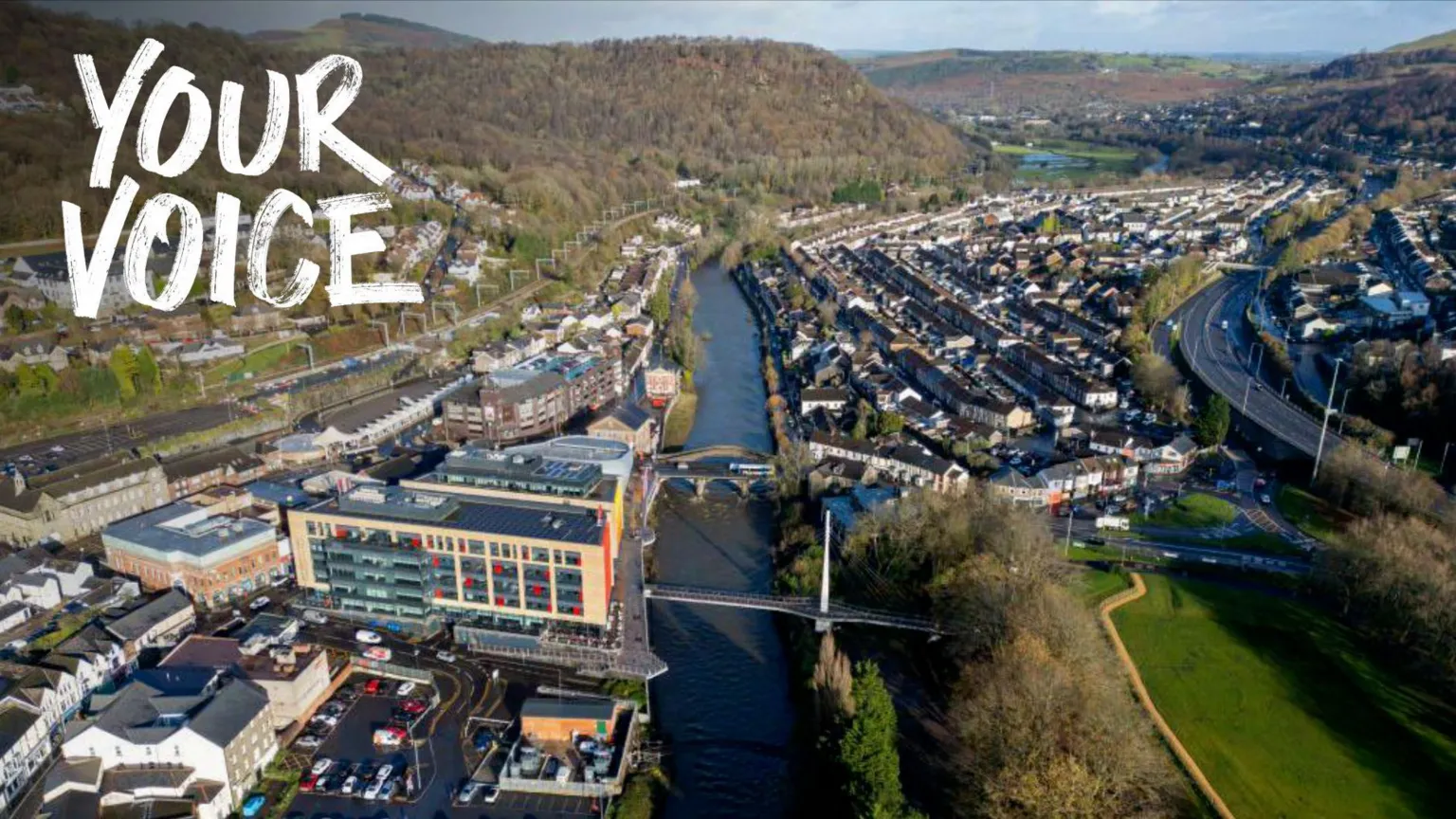
In communities like Pontypridd, where devastating floods have repeatedly wreaked havoc in recent years, you might expect climate change to be a top priority for voters. Yet, as the Welsh Senedd election approaches on 7 May, conversations on the ground reveal a different reality: concerns over the rising cost of living overwhelmingly overshadow environmental issues.
The Election Spotlight: Cost of Living vs. Climate Change
Speaking with residents around Pontypridd, it becomes clear that climate change struggles to break through the immediate worries facing everyday people. “When I vote, I’m thinking taxes, money… probably not the environment,” one local candidly admits. Another voter describes the goal of cutting carbon emissions to net zero as “something for the future,” suggesting that pressing economic pressures push climate concerns down the list.
Even among those who do consider environmental policies, there is a pervasive sentiment that climate change has been “put on the back burner” amid more urgent topics. Rising energy bills, inflation, and household expenses dominate public discourse, making it difficult for green issues to gain traction during this election cycle.
Welsh Climate Commitments: Ambitious but Challenged
Just five years ago, the Welsh Parliament stood at the forefront of climate action. It became the first legislature worldwide to declare a climate emergency and set legally binding targets to achieve net zero greenhouse gas emissions by 2050. These commitments promised sweeping changes: phasing out oil and gas energy sources, transitioning to electric vehicles, and ambitious reforestation efforts.
These targets aligned with the broader UK agenda, especially as the nation prepared to host COP26 in Glasgow in 2021. At that time, climate change was a high-profile election issue, sparking debates and commitments across political parties.

However, the political consensus that once united parties around these goals has since fragmented. As the economic crisis deepens, the urgency of climate policy has waned within political platforms. Voters sense this shift, noting that environmental ambitions are being sidelined in favor of immediate economic relief measures.
Why Climate Change Lags Behind in Voter Priorities
The disconnect between Wales’ ambitious climate goals and voter priorities reflects a broader challenge: when immediate survival is at stake, long-term issues often recede into the background. For many, daily concerns — such as childcare costs, maternity pay, and household expenses — take precedence over environmental policies.
For instance, Rachel, a local resident, highlights how her focus lies on childcare and maternity pay, not climate change. This sentiment resonates across demographics, illustrating how economic pressures shape voter engagement and political discourse.
Moreover, the visible impacts of climate change, while dramatic, can feel distant or abstract compared to the tangible strain of rising bills. This perception complicates efforts by political parties to galvanize support for green policies amidst competing priorities.
What This Means for the Future of Welsh Climate Policy
The current election cycle underscores a critical challenge for Wales: sustaining momentum on climate action while addressing the immediate economic needs of its citizens. The risk is that short-term pressures will continue to eclipse long-term environmental imperatives, potentially delaying vital progress.
Yet, the stakes remain high. Wales faces increasing risks from floods, storms, and other climate-related events, which directly impact communities like Pontypridd. Ignoring these threats could exacerbate economic hardships and social inequalities down the line.
Moving forward, political leaders and activists must find ways to bridge this divide—integrating economic relief with sustainable policies that resonate with voters’ immediate concerns. Only then can climate change reclaim its rightful place as a defining issue in Welsh politics.
As the Senedd election approaches, the question remains: will climate change rise beyond the backdrop of economic anxieties to shape Wales’ future?