

NASA’s upcoming Artemis II mission signals a bold step forward in humanity’s quest to explore beyond Earth, aiming not just to visit the Moon but to establish a sustainable presence there. This mission will test critical technologies and strategies essential for future deep-space exploration, including the ultimate goal of sending humans to Mars. But why is returning to the Moon so vital, and what makes it the ideal proving ground for life on other planets?
Why the Moon? The Perfect Testing Ground for Deep Space
Libby Jackson, head of space at the Science Museum, explains that the Moon offers a unique environment where scientists and engineers can develop and refine the life-support systems crucial for long-term space travel. “Going to the Moon and staying there for a sustained period is much safer, much cheaper, and much easier to be a test bed for learning how to live and work on another planet,” Jackson emphasizes.
Living on the Moon requires mastering a host of complex challenges. Astronauts will rely on advanced technology to generate breathable air and clean water, create reliable power sources, and build habitats that shield them from the Moon’s extreme temperature swings and hazardous cosmic radiation. Each of these elements must function flawlessly to ensure crew survival and mission success.
“These are all technologies that if you try them for the first time on Mars and they go wrong, it’s potentially catastrophic. It’s much safer and much easier to try them out on the Moon,” Jackson adds. By perfecting these systems on the lunar surface, NASA significantly reduces risks for future Mars missions and other deep-space endeavors.
Unlocking Lunar Mysteries: The Scientific Treasure Trove
The scientific community eagerly anticipates the new insights Artemis II and subsequent missions will deliver. The Apollo missions of the 1960s and 70s brought back lunar rocks that revolutionized our understanding of the Moon’s origin and its relationship to Earth.
Professor Sara Russell, a leading planetary scientist, highlights the transformative impact of these samples: “They told us that the Moon was formed by this incredibly dramatic event, where a Mars-sized body smashed into the Earth and the bits that came off formed the Moon. We know about that because of the Apollo rocks.” These findings not only unveiled the violent past of our celestial neighbor but also provided clues about the early history of our own planet.
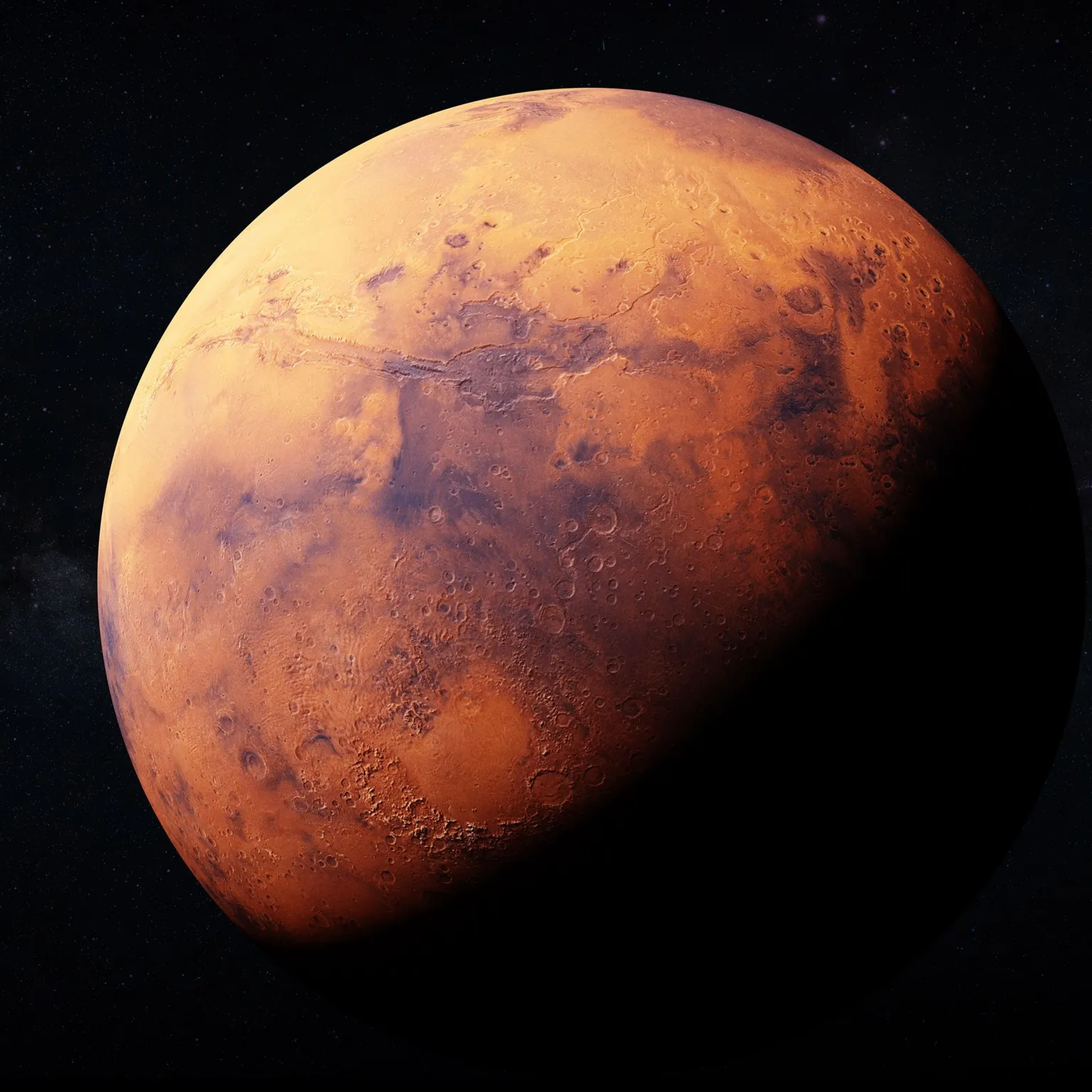
Modern missions aim to retrieve new lunar materials from unexplored regions, promising to shed light on unanswered questions about the Moon’s geology, composition, and evolution. Understanding these aspects will deepen our knowledge of planetary formation processes both in our solar system and beyond.
What Artemis II Means for the Future of Space Exploration
Artemis II marks more than just a return to the Moon—it represents a critical stepping stone toward sustainable human presence in space. Establishing a lunar base will enable astronauts to live and work off Earth for extended periods, gaining invaluable experience in managing the physical and psychological demands of deep-space missions.
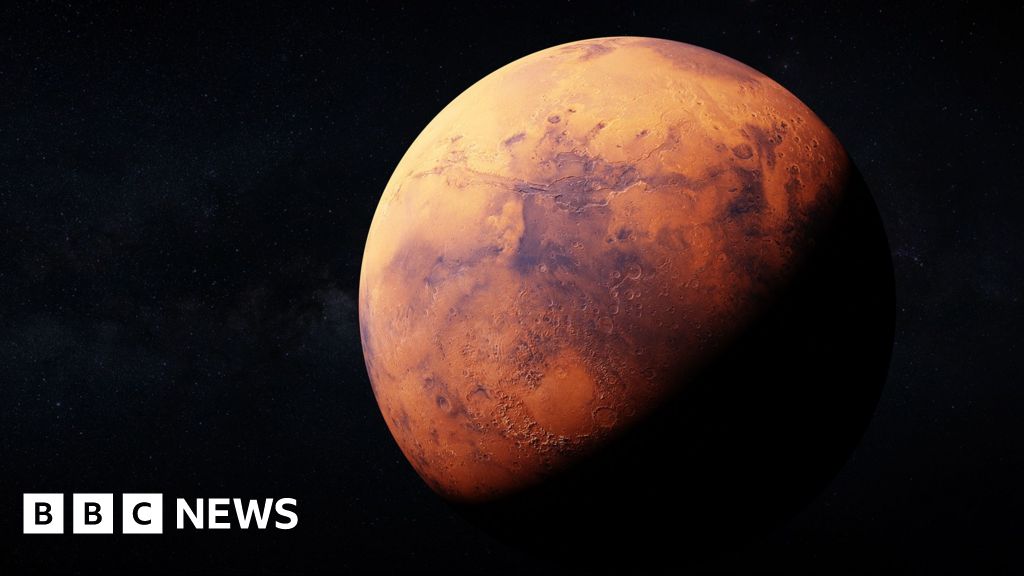
Moreover, the technologies validated on the Moon will pave the way for ambitious missions to Mars and beyond, where resupply and rescue options are far more limited. Lessons learned on the Moon will inform habitat design, resource utilization, and life-support systems necessary for surviving the harsh Martian environment.
This mission also has broader implications for international cooperation, technological innovation, and inspiring the next generation of scientists and explorers. The Moon serves as a cosmic laboratory where humanity can push the boundaries of knowledge, test cutting-edge technologies, and prepare for the next giant leap.

Looking Ahead: A New Chapter in Human Spaceflight
NASA’s Artemis II mission underscores the Moon’s critical role as a gateway to the solar system. By returning to our closest celestial neighbor, NASA aims to build a foundation for long-term exploration that could one day see humans inhabiting Mars and other distant worlds.
The success of Artemis II will signal a new era in space exploration—one where living beyond Earth becomes not just a dream, but a sustainable reality. As technology advances and scientific discoveries mount, the Moon’s surface will transform from a barren landscape into a hub of human ingenuity and discovery.
In the coming years, the lessons learned on the Moon will guide humanity’s path across the stars, unlocking mysteries, expanding horizons, and redefining what is possible in the quest to explore the cosmos.