

Northern Ireland faces an escalating wildfire risk as climate conditions increasingly favor fire outbreaks, according to groundbreaking research from Imperial College London. The study highlights that spring, historically the peak season for wildfires, is now experiencing more frequent and intense droughts combined with critical “fire weather” factors, such as elevated temperatures, low humidity, and strong winds. This dangerous mix is lengthening wildfire seasons and making them more unpredictable.
Spring Droughts and Rising ‘Fire Weather’ Amplify Wildfire Risks
Spring has long been recognized as the most vulnerable period for wildfires in Northern Ireland. During this time, dry vegetation like grass and heather becomes highly flammable, creating ideal fuel for fires. However, the new report reveals a worrying trend: spring drought events are occurring more frequently, intensifying the risk.
The term “fire weather” describes a combination of environmental conditions—warmth, dryness, and wind—that allow fires to ignite quickly and spread rapidly across landscapes. According to the researchers, these conditions have surged sharply in recent years, escalating the potential for wildfires. This shift is not just a short-term anomaly but part of a broader pattern influenced by long-term climate changes.
Climate Change’s Role in Extending and Intensifying Wildfire Seasons
Theodore Keeping, a research associate specializing in extreme weather and wildfires at Imperial College London, emphasized the clear link between climate change and wildfire danger. “This analysis shows that climate change is having a clear, exacerbating effect on wildfire danger in the UK,” Keeping stated, underscoring the urgency of the issue.
The study points out that climate change is not merely increasing temperatures but also altering precipitation patterns, leading to prolonged dry spells during spring. These conditions dry out vegetation faster and maintain fire-friendly environments for longer periods. As a result, the traditional wildfire season is expanding, with volatile fire behavior becoming more common.
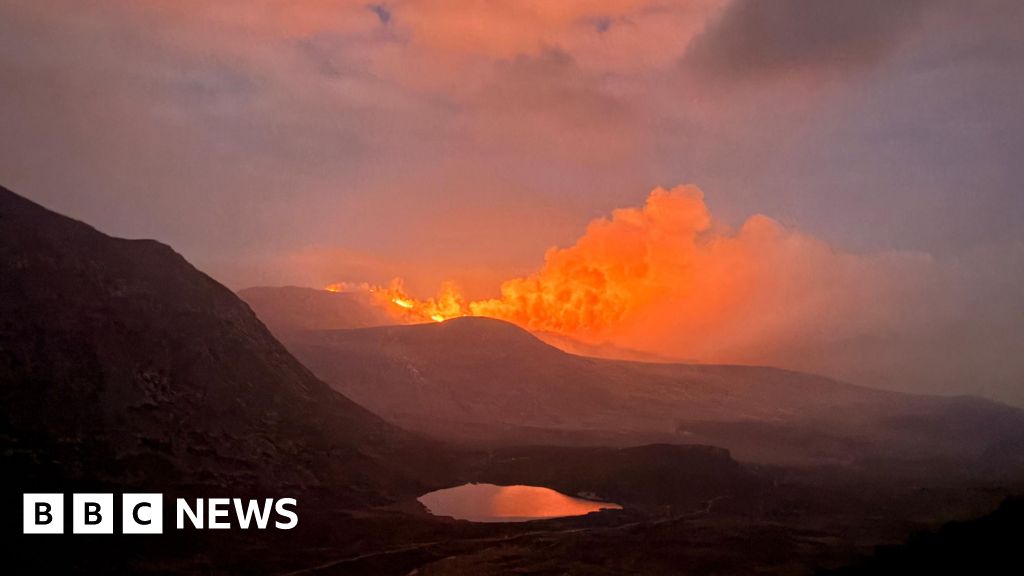
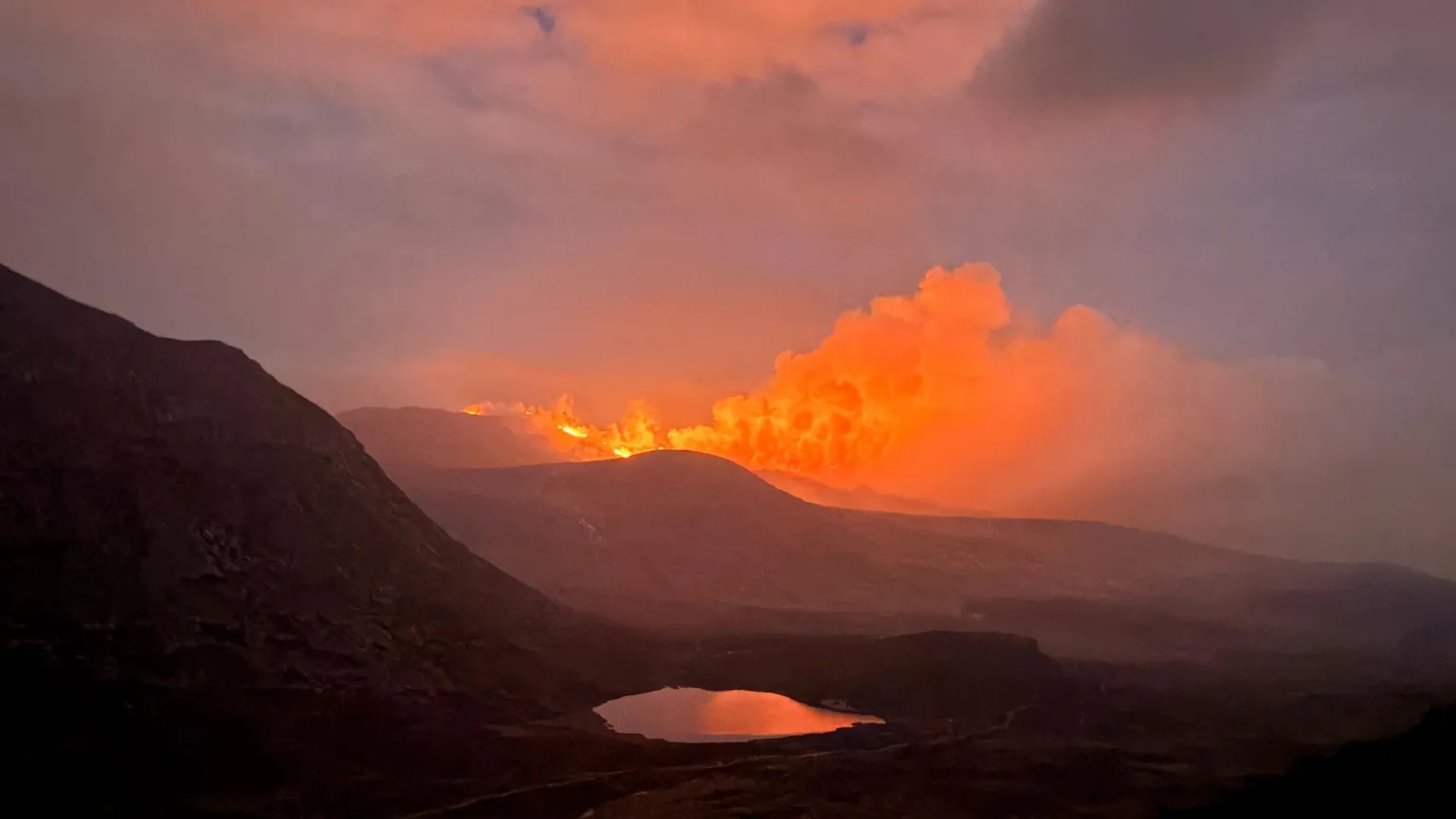
Recent wildfire incidents exemplify this trend. In late April, several wildfires erupted across Northern Ireland, including significant blazes in the Mourne Mountains. These outbreaks highlight how the combination of dry vegetation and fire weather can lead to rapid and difficult-to-control wildfires, threatening both natural habitats and communities.

Why This Matters: Implications for Communities and Ecosystems
The growing wildfire threat carries serious consequences for Northern Ireland’s environment, public safety, and infrastructure. Wildfires can devastate fragile ecosystems, destroy habitats, and cause economic damage. For communities near wildfire-prone areas, the increased frequency and intensity of fires raise concerns about health risks from smoke, property loss, and emergency response capacity.
Moreover, longer wildfire seasons complicate prevention and management efforts. Fire services must remain on heightened alert for extended periods, and resources may become stretched thin. This evolving risk landscape demands more robust wildfire preparedness strategies, including improved monitoring, community education, and land management practices tailored to the changing climate.
Looking Ahead: Preparing for a More Volatile Fire Future
Northern Ireland stands at a critical juncture in addressing wildfire risks intensified by climate change. The findings from Imperial College London offer a clear warning: without effective mitigation and adaptation measures, wildfire seasons will continue to lengthen and grow more volatile.
Policymakers, emergency responders, and local communities must collaborate to develop comprehensive wildfire strategies. These should encompass early warning systems, controlled burns to manage fuel loads, and investments in firefighting resources. Public awareness campaigns can also play a vital role in reducing accidental ignitions during vulnerable periods.
Ultimately, understanding and responding to the evolving wildfire threat is essential to protect Northern Ireland’s landscapes, wildlife, and residents from increasingly severe fire events. As climate change reshapes environmental conditions, proactive action will determine how effectively the region navigates this emerging challenge.