

Andy Burnham, the Mayor of Greater Manchester and a prominent Labour Party figure, faces mounting scrutiny over gender representation as he shapes his leadership team. The question on many minds: will women gain meaningful seats at Burnham’s table, or will their voices remain sidelined in a pivotal political landscape?
The Current Landscape of Gender Representation in Manchester Politics
Andy Burnham has long been a central figure in northern English politics, known for his focus on social justice, health, and regional development. However, despite his progressive policies, his leadership team has historically struggled with balanced gender representation. As the political climate shifts towards greater inclusivity, activists and constituents alike are demanding clearer commitments to gender parity within Greater Manchester’s governance.
Women’s participation in local government remains a vital issue. Nationally, efforts to increase female political representation have gained traction, but the pace remains uneven. In Manchester, where diverse voices are essential to reflect the city’s multicultural identity, the inclusion of women in visible leadership roles is not just symbolic — it directly impacts policy outcomes, community engagement, and equity.
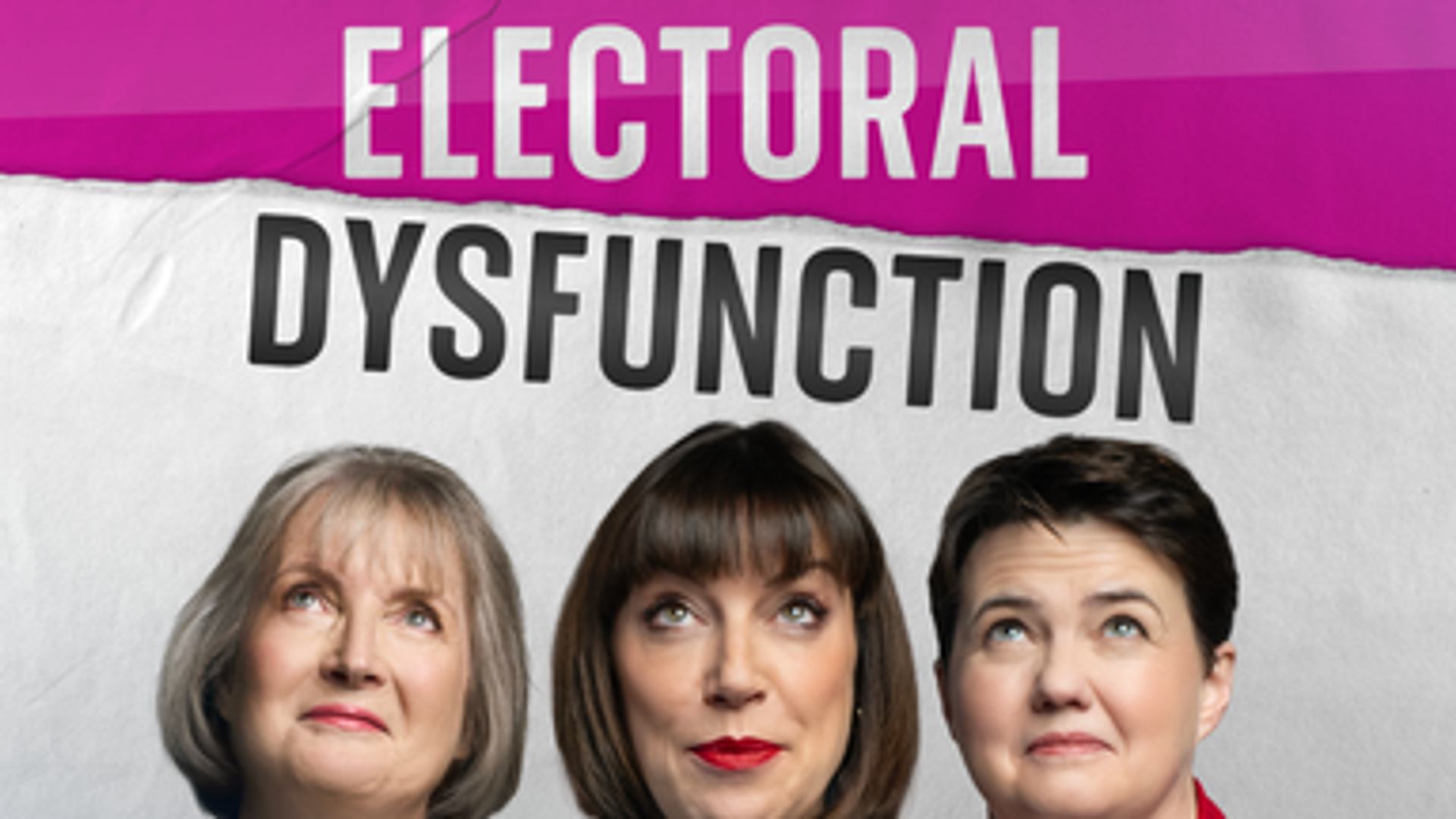
Why Gender Balance Matters in Burnham’s Administration
Ensuring women hold significant roles in Burnham’s administration carries broad implications. Gender-diverse leadership teams have been shown to adopt more comprehensive policy approaches, addressing the unique challenges faced by different demographics. For Greater Manchester, this could translate into enhanced focus on issues such as childcare, healthcare access, domestic violence prevention, and economic opportunities for women.
Moreover, visible female leadership helps inspire future generations, encouraging more women to enter politics and public service. It also signals a commitment to equality that can strengthen public trust in local government. In contrast, a lack of gender diversity risks perpetuating outdated power dynamics and marginalizing critical perspectives that shape community wellbeing.
Burnham’s decisions on appointments and policy priorities will therefore be closely watched as indicators of his administration’s stance on inclusivity. Stakeholders from feminist groups, community organizations, and political commentators have voiced the expectation that women’s representation will move beyond tokenism to real influence.
What Comes Next: The Road Ahead for Women and Andy Burnham
As Burnham finalizes his team and policy agenda, the spotlight remains firmly on whether women will secure equitable roles. Advocates stress the importance of transparent selection processes that prioritize merit and diversity. They argue this approach not only strengthens governance but also aligns with Labour’s broader commitments to social justice.
Recent discussions suggest Burnham recognizes the need for change, but concrete details about appointments and initiatives remain scarce. The coming months will reveal whether his leadership reflects a genuine embrace of gender equality or falls short of the progressive expectations set by his supporters.
Ultimately, the stakes are high. Greater Manchester stands at a crossroads where inclusive leadership can drive transformative change or risk alienating communities that demand representation. Women’s participation at Burnham’s table is not just a matter of fairness — it’s a cornerstone for building a resilient and equitable future for the region.
Why it matters: Gender-balanced leadership promotes policies that better serve all citizens, enhances public trust, and cultivates a political culture that values diverse perspectives. For Andy Burnham and Greater Manchester, embracing this challenge could set a powerful example for local governments across the UK.
As the political landscape evolves, the question remains: will women gain the seats they deserve at Andy Burnham’s table, shaping the future of Greater Manchester with their voices and vision?