

The decision to book Kanye West as the headline act for this year’s Wireless Festival has sparked intense debate, prompting one of the festival’s lead organizers to publicly defend the move and call for forgiveness toward the embattled rapper. Melvin Benn, managing director of Festival Republic, the company behind Wireless, acknowledged West’s past offensive remarks but emphasized that the artist’s role at the festival is strictly to perform, not to promote his controversial opinions.
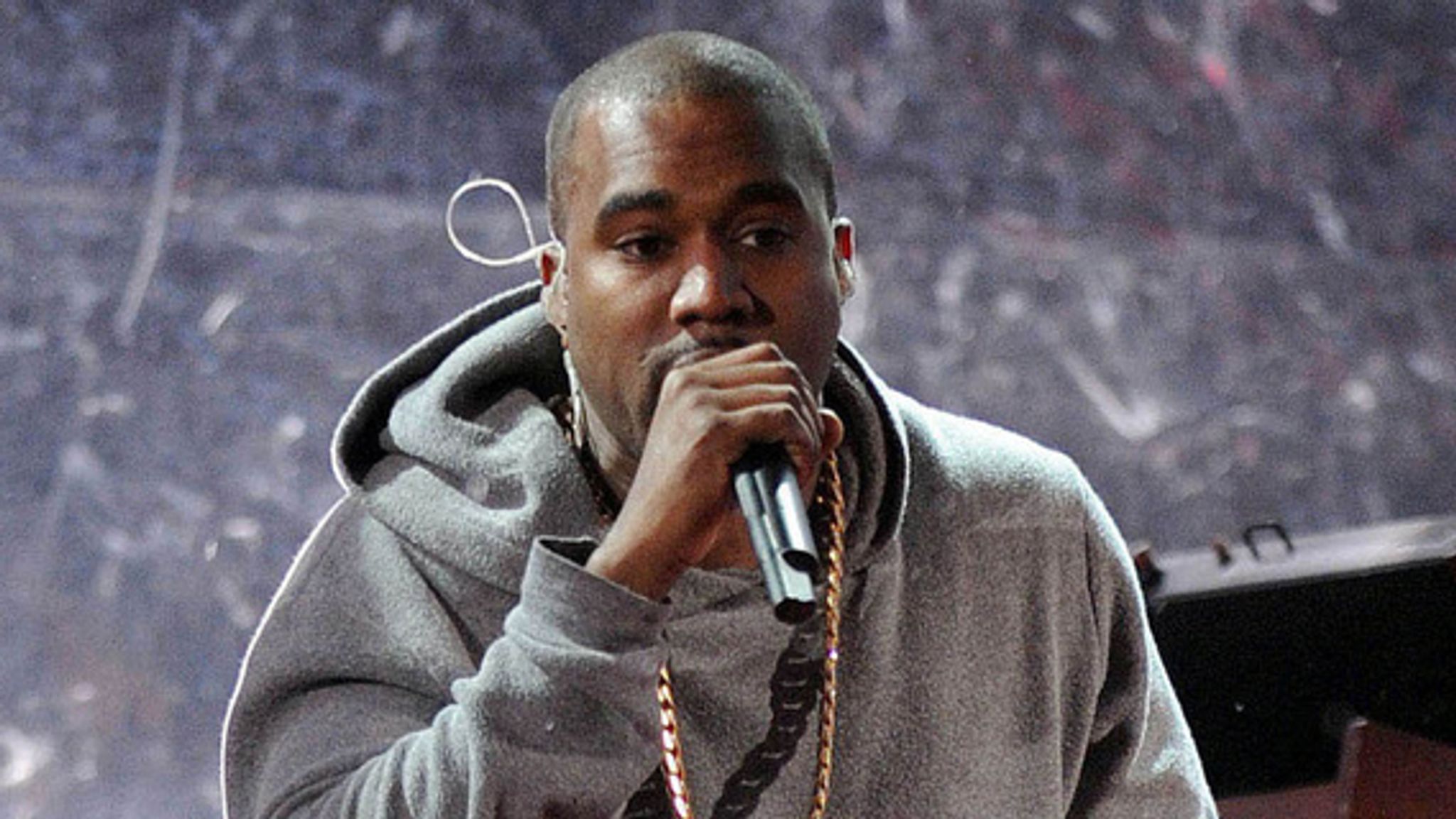
What Happened: Booking Kanye West Amid Backlash
Wireless Festival announced that Kanye West, also known as Ye, will headline all three nights of the London event this July, performing to an expected crowd of around 150,000 attendees. This announcement immediately ignited backlash from sponsors and political figures. Both Pepsi and Diageo withdrew their sponsorships following the news, signaling corporate discomfort with West’s involvement.
Political leaders voiced strong criticism. Sir Keir Starmer, leader of the Labour Party, called the decision “deeply concerning,” citing West’s history of antisemitic statements and public celebration of Nazism. Other politicians, including Labour MP Rachael Maskell and Liberal Democrat leader Sir Ed Davey, joined calls for the UK government to ban West from entering the country altogether.
The uproar is fueled by West’s well-documented controversies over the past several years. Since his last UK performance at Glastonbury in 2015, the rapper’s public image has been marred by antisemitic social media posts, a widely condemned Super Bowl commercial featuring a swastika T-shirt, and lyrics referencing Adolf Hitler — actions that led Australia to revoke his visa earlier this year.
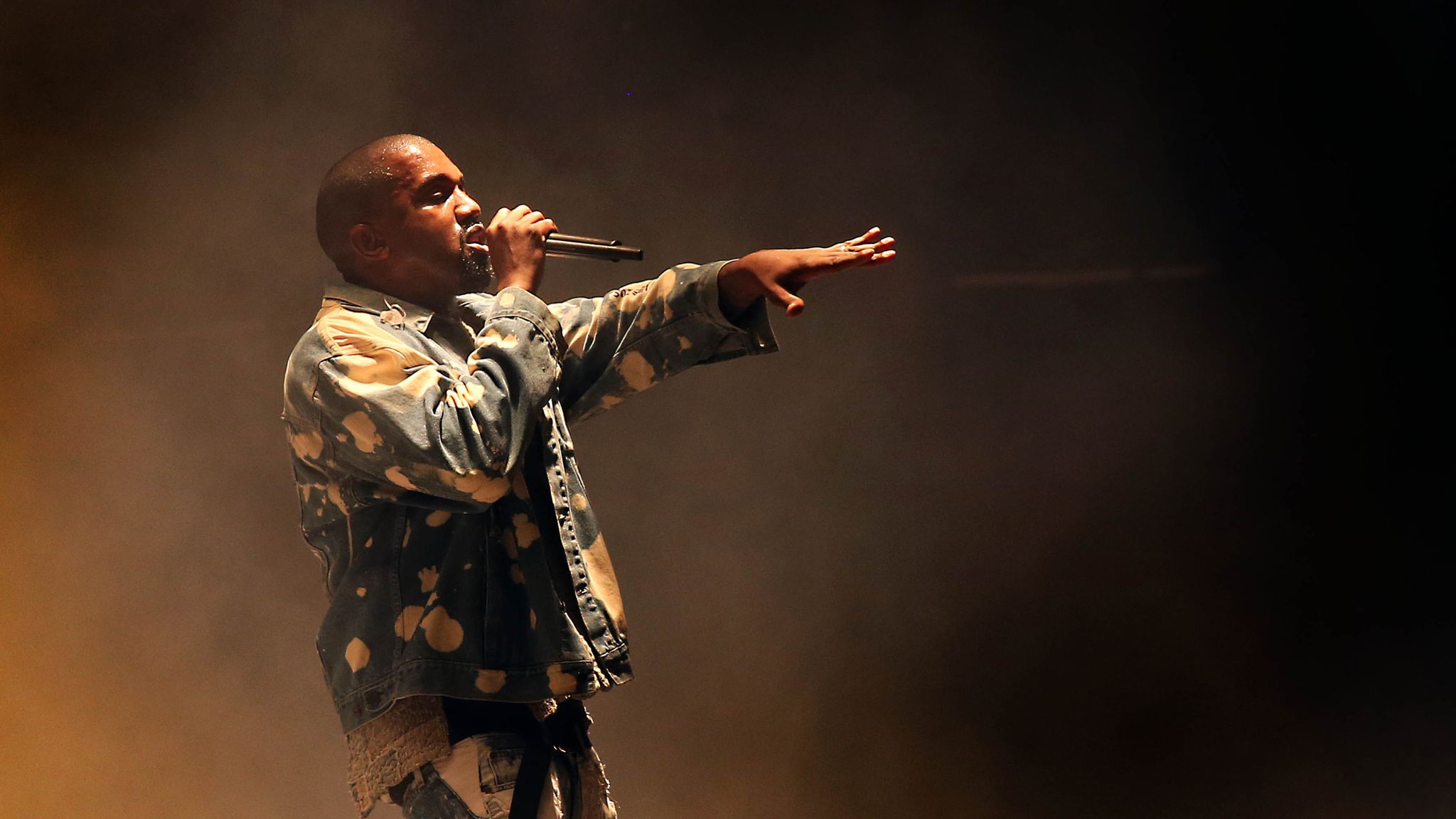
Festival Republic’s Defense and Call for Forgiveness
In response to the backlash, Melvin Benn issued a forthright statement addressing West’s past remarks, describing them as “abhorrent” and expressing solidarity with the Jewish community. He highlighted that West’s music continues to be broadcast on commercial radio and streaming platforms in the UK without widespread public backlash, underscoring the artist’s legal right to perform.
Benn clarified that Wireless Festival is not providing West a platform to share any views beyond his music. “He is intended to come in and perform,” Benn said. “We are not giving him a platform to extol opinion of whatever nature, only to perform the songs that are currently played on the radio stations in our country and the streaming platforms… listened to and enjoyed by millions.”
Demonstrating his personal stance, Benn revealed his lifelong commitment to anti-fascism and support for both Jewish and Palestinian states, underscoring the complexity of the situation. He urged the public to “reflect… and offer some forgiveness and hope to him as I have decided to do.”
Ongoing Debates and Government Considerations
The controversy surrounding Kanye West’s UK appearance extends beyond the festival grounds into political and social realms. Jewish community organizations, including the Jewish Leadership Council, condemned the booking, linking it to a recent surge in antisemitic attacks and hate crimes. The Conservative Party has formally petitioned Home Secretary Shabana Mahmood to block West’s entry into the UK, reflecting growing governmental concern.
Currently, the Home Office has not yet received West’s visa application, and ministers are reportedly deliberating whether to permit his entry. The decision carries significant weight, as it touches on broader questions of free expression, public safety, and accountability for hate speech.
West’s history of erratic behavior has been publicly linked to his diagnosis of bipolar-1 disorder. In January, the rapper placed a full-page apology in the Wall Street Journal, denying antisemitism and asking for forgiveness. He attributed his offensive outbursts to a prolonged manic episode, expressing deep regret for the harm caused.
Why This Matters: The Intersection of Art, Accountability, and Public Safety
The Wireless Festival’s choice to feature Kanye West as headliner raises critical questions about how society balances artistic freedom with social responsibility. West’s musical legacy is undeniable, with millions enjoying his work worldwide. However, his recent conduct has caused real harm, especially to Jewish communities.
Benn’s call for forgiveness reflects a belief in rehabilitation and separating the artist’s work from his personal failings. Yet, the withdrawal of major sponsors and political outcry illustrate the risks and consequences of overlooking public sensitivity to hate speech, especially amid rising antisemitism.
For festival-goers, policymakers, and communities alike, this incident serves as a potent reminder of the challenges cultural institutions face when engaging with controversial figures. It forces a reckoning on how to uphold values of inclusion and respect while preserving spaces for artistic expression.
Looking Ahead
As the UK government weighs its decision on Kanye West’s visa, the debate around his Wireless Festival appearance will continue to unfold. The outcome will likely set a precedent for how future controversies involving public figures are managed. Meanwhile, festival organizers must navigate the fine line between promoting top-tier entertainment and addressing the ethical concerns of their audiences and partners.
Ultimately, this episode underscores the ongoing struggle to reconcile forgiveness and accountability in the public eye, especially when the stakes involve sensitive social issues and influential cultural icons.