As the World Cup frenzy grips football fans worldwide, experts warn of a sharp rise in ticket fraud, with victims losing an average of £215 to scams. The timing could not be worse — just weeks before the tournament kicks off, the demand for tickets is soaring, creating a ripe environment for fraudsters to exploit eager supporters.
Escalating Fraud Risks Amid Ticket Demand Spike
New research from Lloyds Bank reveals a 36% increase in football ticket scams during the current Premier League season, comparing data from October 2025 to March 2026 with the same period the previous year. The bank’s analysis highlights how scammers target high-profile teams like Arsenal, Liverpool, Chelsea, and Manchester United, as well as marquee matches that draw intense fan interest.
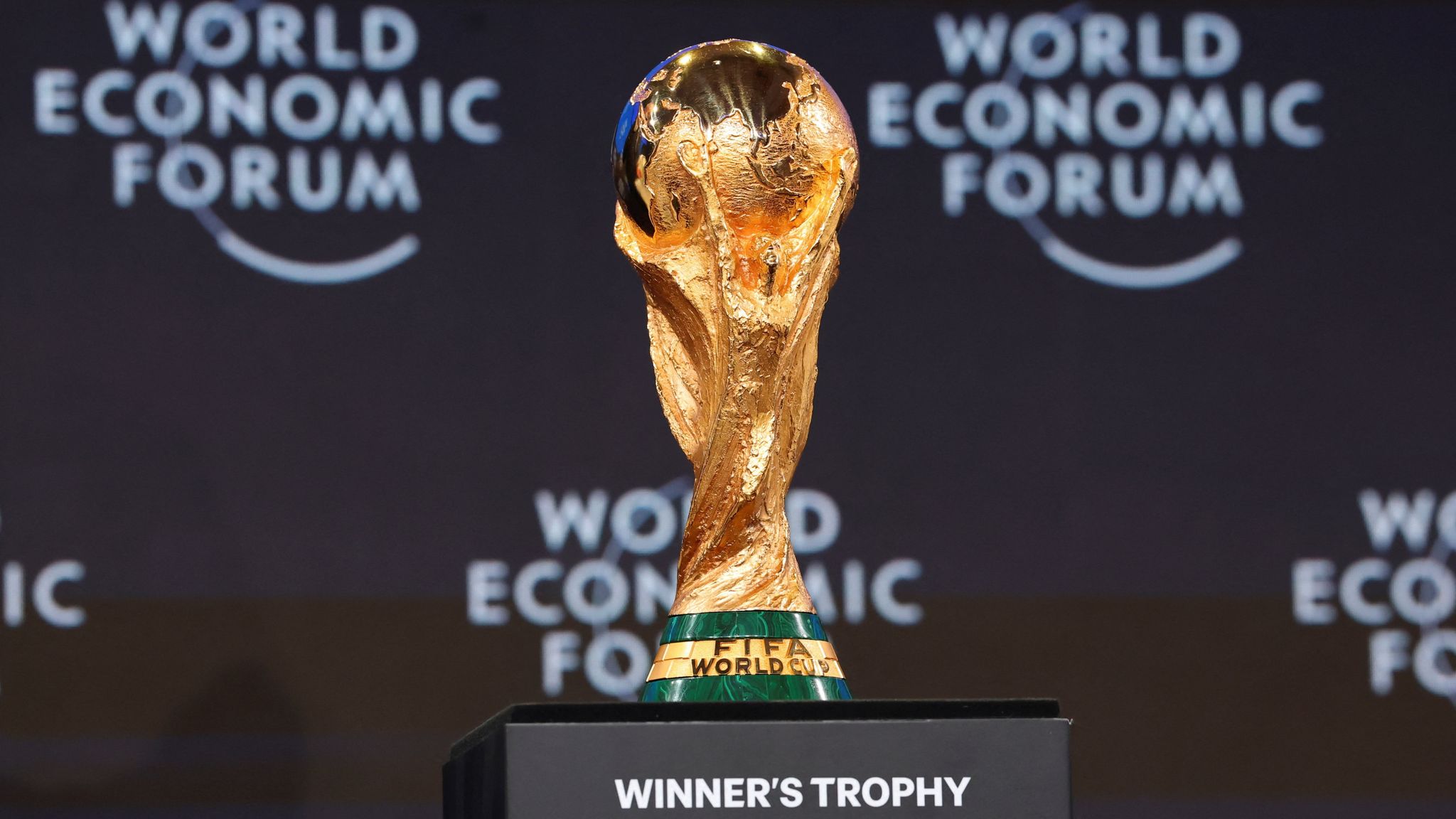
With the World Cup approaching, Lloyds warns that fraudsters will intensify their efforts, capitalizing on the surge in ticket demand and the complexity of official sales channels. Fans are urged to exercise caution when purchasing tickets, particularly from unofficial sources.
FIFA’s Controversial Ticket Pricing Sparks Concern
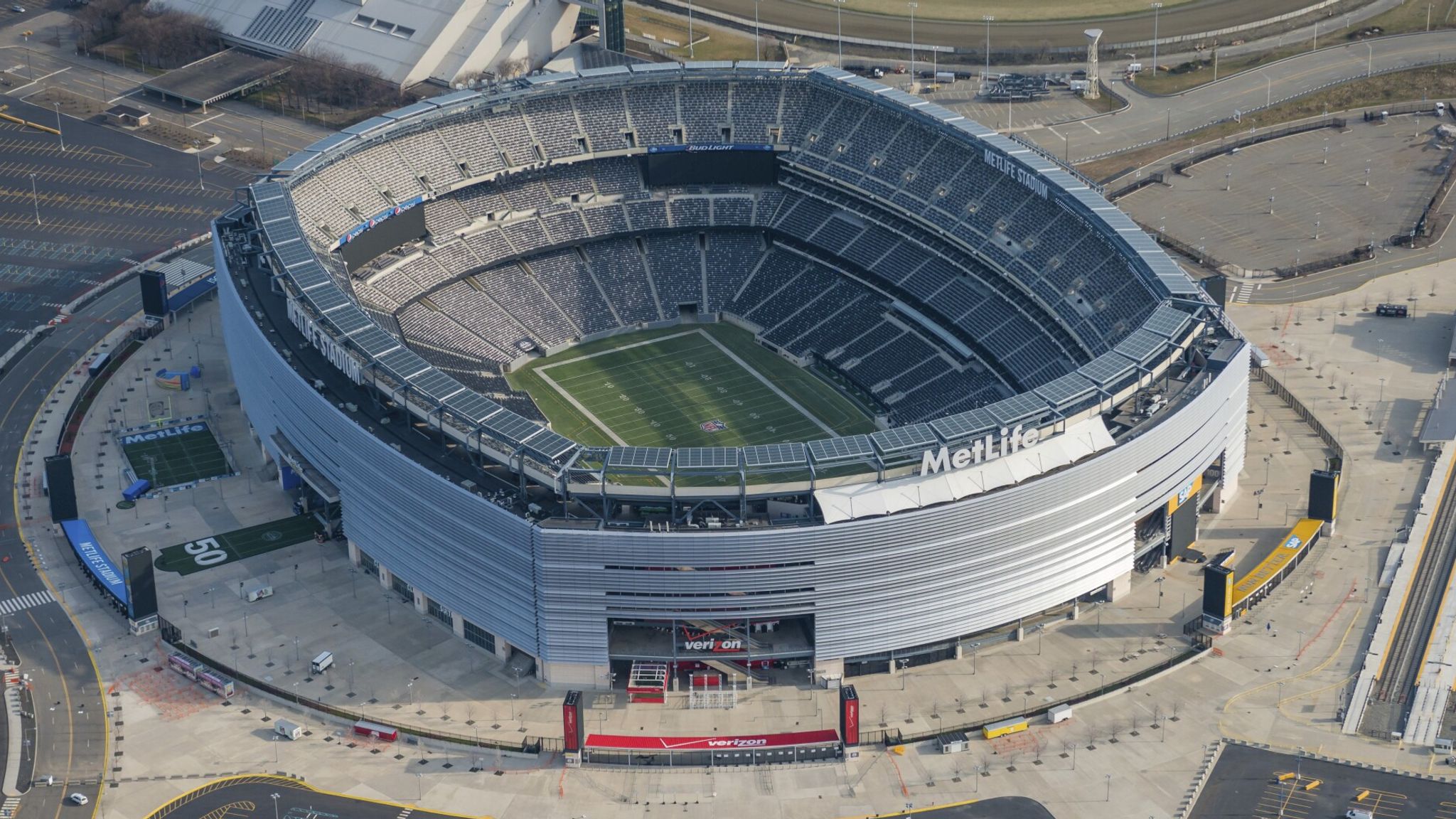
The escalating fraud threat coincides with a dramatic hike in official ticket prices for the World Cup final. FIFA recently tripled the cost of the best available seats at the MetLife Stadium in New Jersey, where the final will be held on 19 July. Front-category one tickets now cost $32,970 (£24,176), up from $10,990 (£8,000) just weeks earlier.
This steep increase has generated controversy and likely fueled the secondary market, where prices can soar even higher. For context, tickets in the wheelchair and easy access sections remain at the previous $10,990 price point. Meanwhile, the stadium will also host England’s final group game against Panama on 27 June.
Other venues have seen similar pricing shifts. Tickets for the first semi-final at AT&T Stadium in Arlington, Texas, range from $2,705 (£1,984) to $11,130 (£8,164), while the second semi-final at Mercedes-Benz Stadium in Atlanta costs between $2,725 (£1,999) and $10,635 (£7,801).
The USA’s group-stage matches see top-tier ticket prices between $2,715 (£1,991) and $2,970 (£2,179), with the opening game at SoFi Stadium in Inglewood, California, kicking off the tournament on 12 June.
FIFA’s Defense and the Resale Market Reality
FIFA President Gianni Infantino defended the pricing strategy at the Milken Institute Global Conference, arguing that FIFA’s ticketing reflects the developed entertainment market in the US and the global demand for football’s biggest event. He explained that allowing ticket resale in the US naturally drives prices upward, as low official prices would quickly be undercut by resale listings at higher rates.
Infantino pointed to US college football, where tickets can cost around $300 (£220), noting that despite criticisms, FIFA’s prices are competitive within the broader sports market. He also highlighted that some tickets have appeared on FIFA’s resale platform at astronomical prices — including a final ticket listed for nearly $2.3 million (£1.7 million).

When questioned about these sky-high figures, Infantino responded with humor, suggesting the buyer would at least get a hot dog and a Coke to enhance the experience.
What This Means for Fans and the Football Community
The convergence of soaring official ticket prices and the inevitable surge in fraudulent activity poses a significant challenge for football fans worldwide. The World Cup represents the pinnacle of international football, drawing millions of passionate supporters eager to witness historic moments firsthand. Unfortunately, this enthusiasm makes fans vulnerable to scams that can ruin their experience and cause financial harm.
Fans should prioritize purchasing tickets through FIFA’s official channels and verified resale platforms to minimize risks. Awareness campaigns by banks and consumer protection agencies have become critical as fraudsters become more sophisticated, employing fake websites, counterfeit tickets, and phishing schemes.
FIFA maintains that it operates as a not-for-profit organisation, reinvesting World Cup revenues into football development across its 211 member associations. Its variable pricing and resale marketplace aim to balance accessibility with market realities, yet the controversy surrounding ticket costs and fraud risks reflects broader tensions in the global sports economy.
Looking Ahead: Navigating the World Cup Ticket Landscape
With less than five weeks until the World Cup kicks off across the United States, Canada, and Mexico, vigilance remains essential. Fans must stay informed about official ticketing procedures and beware of suspicious offers. The combination of record-breaking ticket prices and a booming secondary market underscores the importance of transparency and consumer protection in major sporting events.
Ultimately, the World Cup’s success depends not only on thrilling matches but also on safeguarding the fan experience against fraud and exploitation. Stakeholders across football, finance, and fan communities must collaborate to ensure that passion for the beautiful game is matched by security and fairness in ticket access.