

Prime Minister Sir Keir Starmer has issued a stark warning that the ongoing war involving Iran could disrupt everyday life in the UK, affecting everything from supermarket shelves to summer holiday destinations. Speaking on The Cathy Newman Show, set to launch on Sky News, Sir Keir highlighted the far-reaching consequences the conflict may have on British consumers and travelers if it persists.
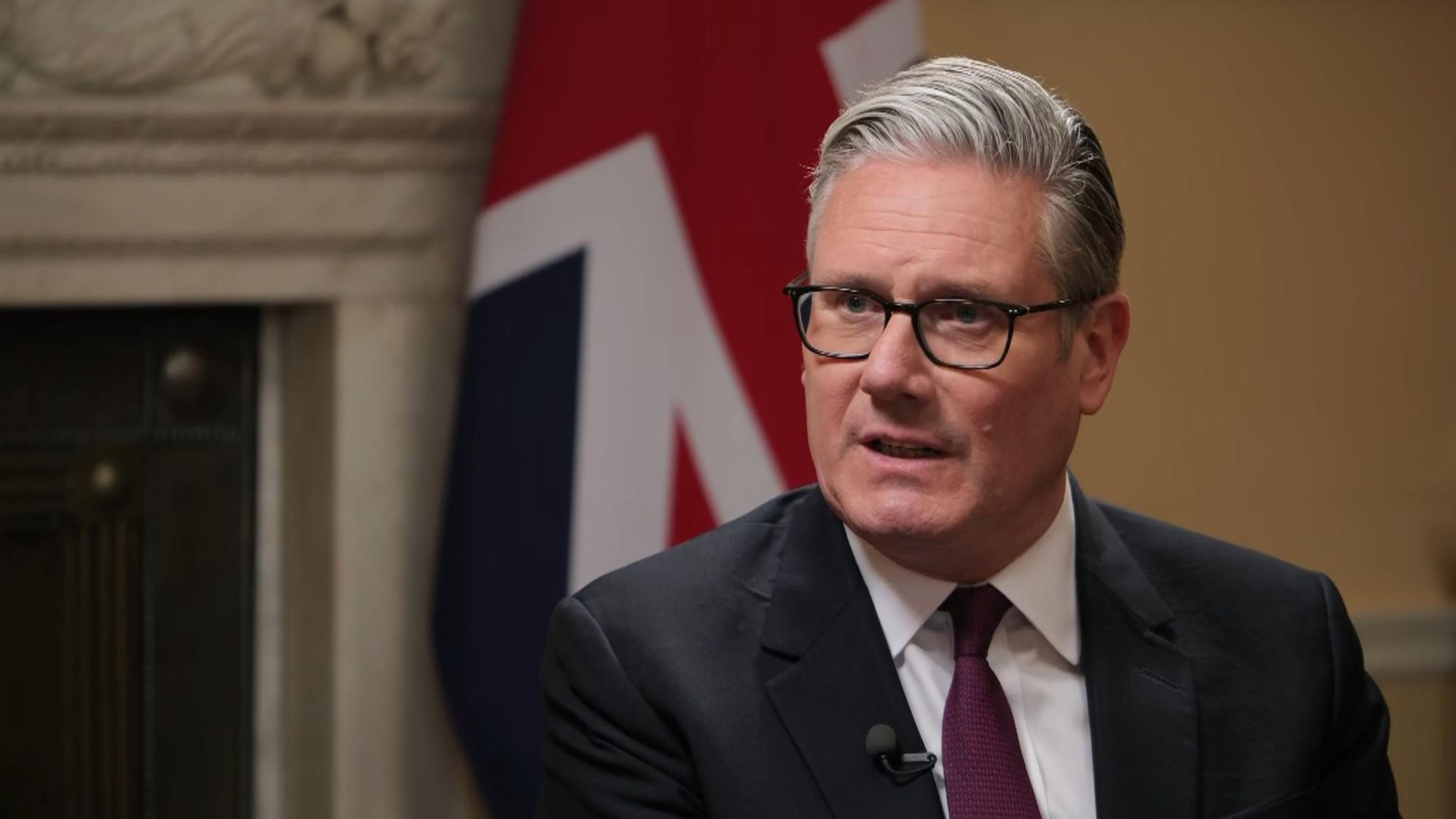
How the Iran Conflict Threatens UK Consumer Habits and Travel
When asked whether summer holidays were at risk, Sir Keir did not shy away from the possibility that British holiday plans could change dramatically. He cautioned, “We’ll see how long the conflict goes on. I can see that, if there’s more impact, people might change their habits… where they go on holiday this year, what they’re buying in the supermarket, that sort of thing.”
This statement signals growing concern that the war’s economic ripple effects could influence the availability and pricing of everyday goods. Food and fuel shortages, or at least disruptions in supply chains, could force consumers to adjust their shopping and travel behaviors. The prime minister’s remarks underline the uncertainty facing millions of Britons planning their summer breaks or managing household budgets.
Government Response and Efforts to Mitigate Impact
Despite these warnings, Sir Keir urged the public not to panic. He emphasized that the UK government deliberately chose not to enter the conflict militarily, a move he deemed “the right thing to do.” However, he stressed the importance of safeguarding the British population from the war’s economic fallout.
To that end, the prime minister revealed he is chairing a key meeting of the Middle East Response Committee (MERC) to coordinate the government’s approach. This committee, which includes representatives from the Bank of England, will assess the war’s impact on the economy—especially in the context of soaring oil prices, which recently reached a near three-week high.
“That’s why we have these meetings. I chair the one tomorrow. I do that regularly and that’s looking across the piece. What more can we do? How do we manage the risks as we see them?” Sir Keir explained. He also pointed to the UK’s strengthened economic position as a buffer, saying, “Because we got the economy into a better place, we are better placed to deal with this than we otherwise would have been.”
Political Fallout and Broader Geopolitical Context
In addition to addressing the economic consequences, the interview touched on political tensions at home. Sir Keir signaled his intention to instruct his MPs to vote against a parliamentary motion calling for an inquiry into whether he misled parliament—an issue currently stirring debate in Westminster.
On the international front, hopes for peace negotiations between the US and Iran remain fragile. Recent diplomatic efforts faltered after US President Donald Trump canceled a planned envoy visit to Pakistan, derailing talks meant to build on a ceasefire agreed on April 7. Although this ceasefire has largely halted active fighting, a permanent resolution remains elusive.
Crucially, the Strait of Hormuz—a vital chokepoint through which approximately 20% of the world’s oil passes—remains effectively blocked. This blockage threatens global oil supplies and contributes to volatile energy prices, amplifying economic uncertainty worldwide and directly influencing the British economy.
What This Means for UK Consumers and Travelers
The prime minister’s warnings highlight a precarious moment for the UK, where international conflict has direct domestic repercussions. Rising oil prices typically translate into higher fuel costs for consumers and increased transportation expenses for goods, which in turn can cause supermarket price hikes and reduce product availability.
For holidaymakers, geopolitical instability may restrict travel options, increase costs, or prompt cancellations as airlines and tour operators adjust to shifting conditions. The specter of supply chain disruptions could also affect the range of goods available on British shelves, impacting everything from fresh produce to imported items.
While the government works behind the scenes to manage these risks, the situation remains fluid. Consumers and travelers alike should prepare for potential changes and stay informed as the conflict evolves.
Looking Ahead
Sir Keir Starmer’s candid assessment serves as a crucial alert to the British public: the Iran war is not a distant issue but one with tangible effects on daily life. The coming weeks will be pivotal as the government’s Middle East Response Committee meets to chart a course through economic uncertainty and geopolitical tension.
British citizens will need to monitor developments closely, adapt their plans as necessary, and rely on official guidance to navigate the challenges ahead. The government’s ability to mitigate these impacts will be tested, making cooperation between policymakers, businesses, and the public more important than ever.