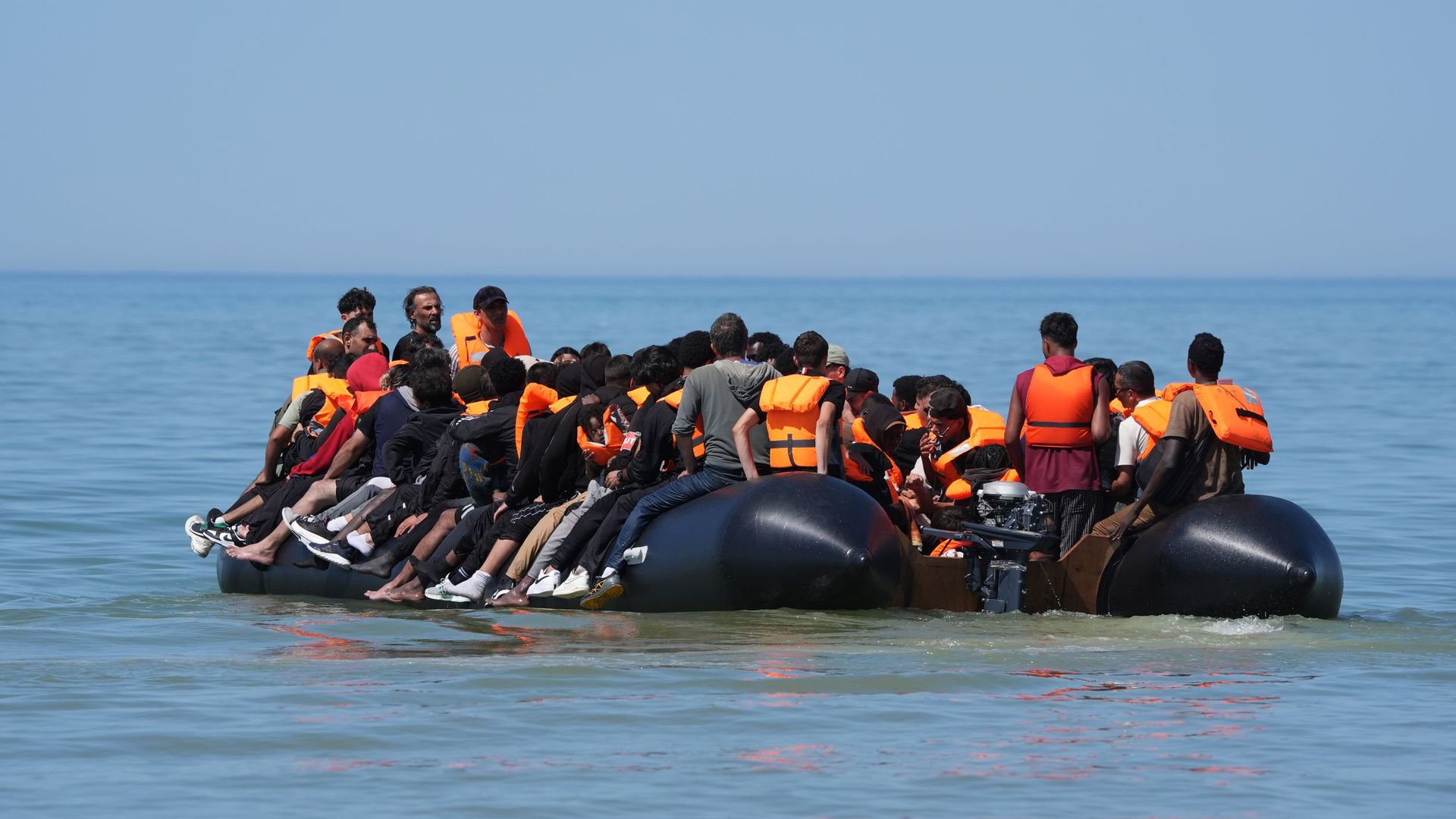
With the UK grappling under soaring temperatures, countless individuals are diving into lakes, rivers, and seas seeking a refreshing escape. However, this surge in open water swimming has triggered a wave of fatal accidents, prompting the Royal National Lifeboat Institution (RNLI) to issue a stark warning about the deadly dangers of cold water shock.
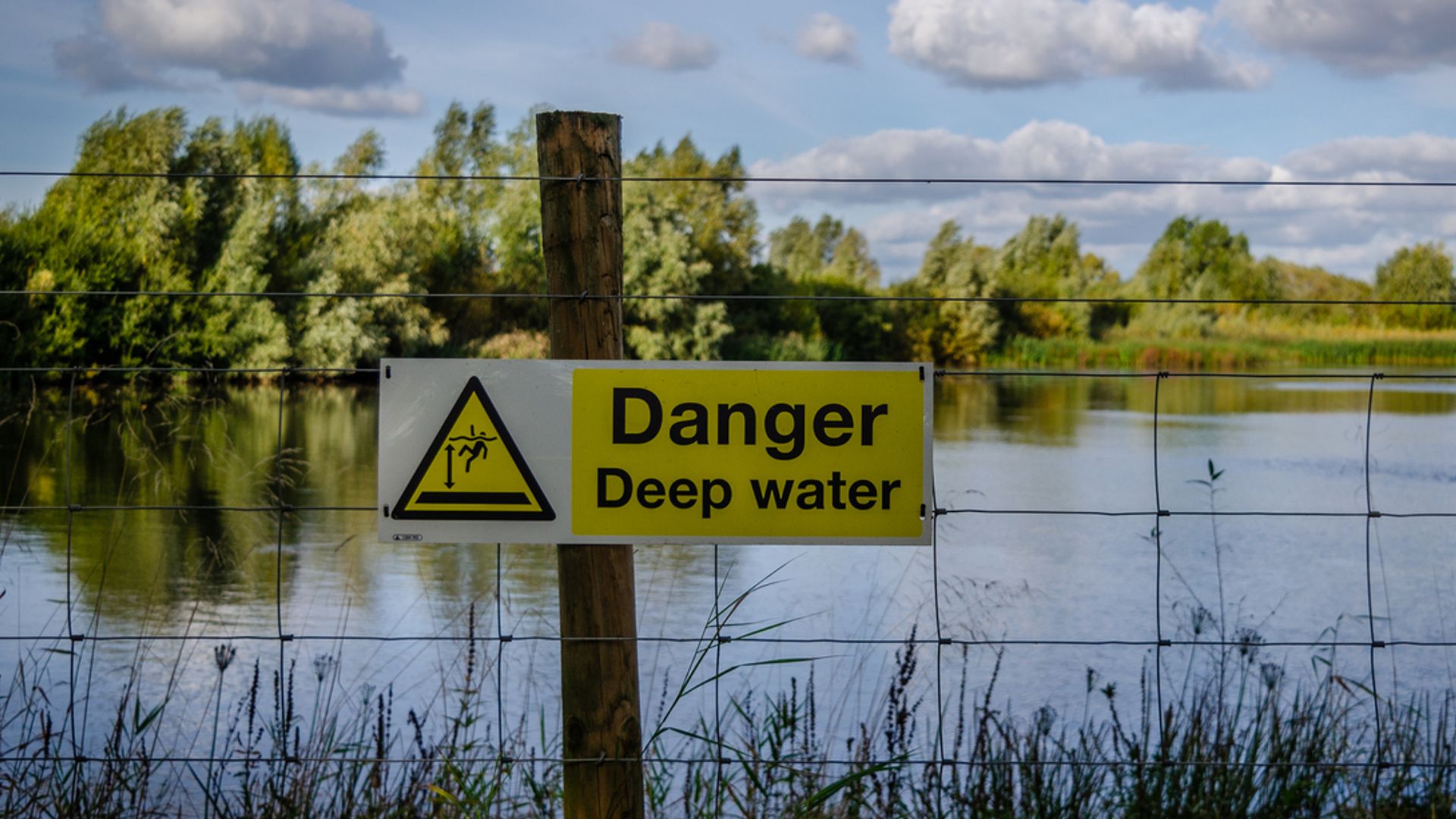
Why Cold Water Shock Is a Silent Killer During Heatwaves
Cold water shock occurs when the body suddenly plunges into frigid water, triggering an immediate and involuntary gasp reflex. This rapid intake of breath can cause water to flood the lungs, even in strong swimmers, leading to drowning within moments. The shock also disrupts heart rhythm and breathing patterns, increasing the risk of cardiac arrest.
During heatwaves, many underestimate how cold open waters remain, especially in lakes and rivers, where temperatures often hover far below the warm air. This temperature disparity intensifies the body’s stress response, making cold water shock more likely and more dangerous.
How Cold Water Shock Happens
When skin encounters cold water unexpectedly, blood vessels constrict sharply, and breathing becomes erratic and uncontrollable. The sudden change can overwhelm the nervous system, causing panic, disorientation, and rapid loss of muscle coordination. Victims often struggle to keep their heads above water, even if they are experienced swimmers.
The RNLI emphasizes that these physiological responses can strike within seconds of entering the water, leaving little time to react or save oneself. This explains why many drowning incidents occur very close to shore and among people who were initially confident in their swimming ability.
RNLI’s Warning: Stay Safe This Summer
The RNLI’s recent statement highlights multiple fatalities linked to cold water shock during this summer’s heatwave. They caution anyone considering a dip in natural bodies of water to recognize the risks and take preventative measures.
- Acclimatize Slowly: Enter the water gradually to allow your body to adjust to the temperature.
- Wear a Life Jacket: Even strong swimmers benefit from flotation devices that can keep them afloat if shock sets in.
- Never Swim Alone: Always go with a buddy who can call for help or assist in an emergency.
- Know the Environment: Check local water temperatures and conditions before entering.
Recognizing Cold Water Shock Symptoms
Awareness is critical. The RNLI advises looking out for early signs such as sudden uncontrollable gasping, difficulty breathing, muscle weakness, and confusion. If you or someone else exhibits these symptoms after entering cold water, exit immediately and seek help.
Protect Yourself and Others: Respect the Power of Cold Water
As temperatures climb, the temptation to cool off in natural water sources grows. Yet, the hidden peril of cold water shock demands respect and caution. The RNLI’s warnings serve as a crucial reminder that open water can be unforgiving, especially when the body is unprepared for the chill beneath the surface.
By understanding cold water shock and adopting safe swimming practices, you can enjoy relief from the heat without risking your life. Stay informed, stay vigilant, and prioritize safety above all this summer.