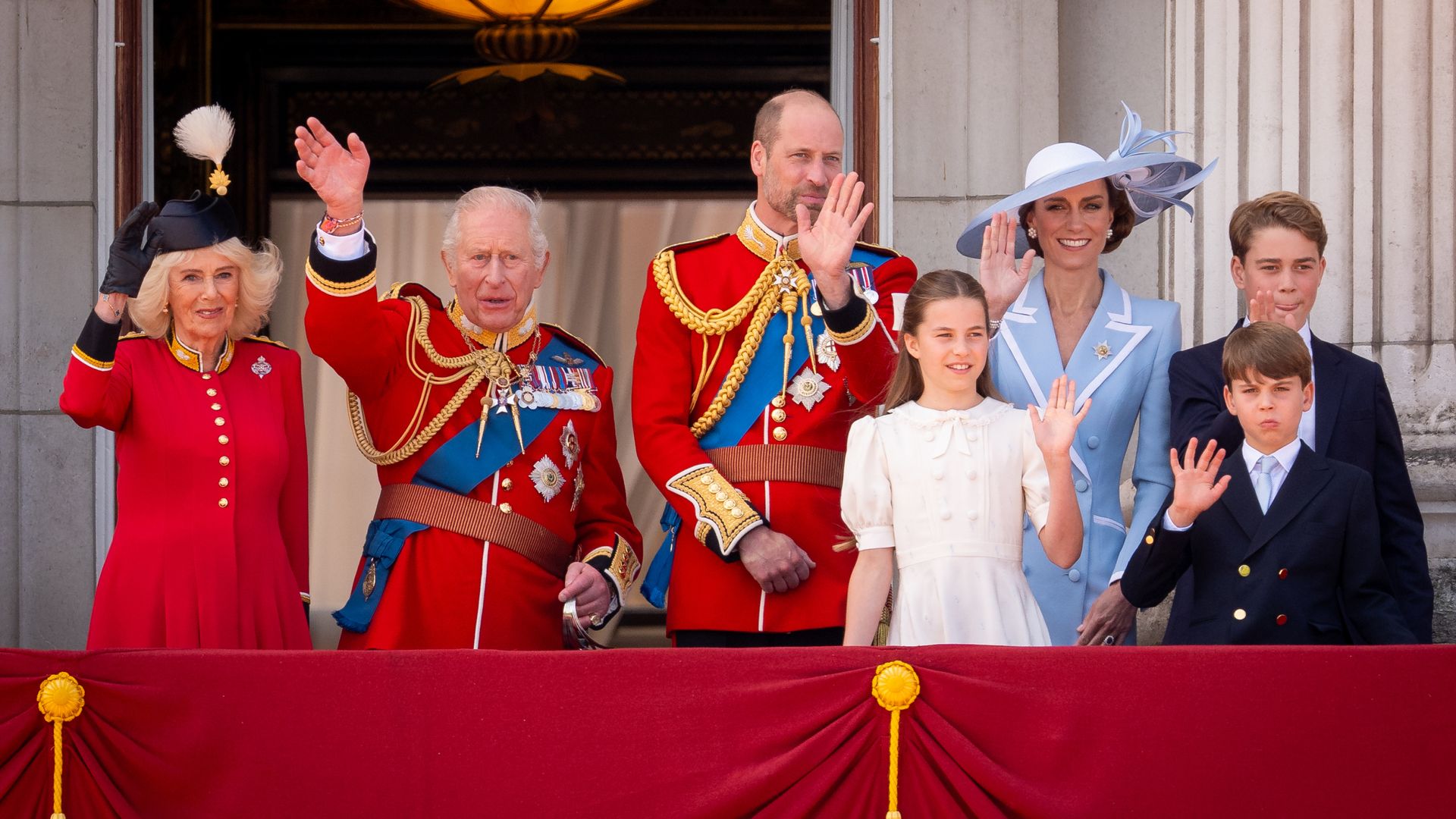
The British Royal Family has unveiled fresh financial disclosures, revealing a staggering £370 million allocated to refurbish Buckingham Palace. Despite the massive investment in the historic royal residence, it has emerged that King Charles III will not make the palace his primary home once renovations are complete.
The Scope and Cost of Buckingham Palace’s Renovation
The newly released documents offer an unprecedented glimpse into the scale and cost of the extensive refurbishment project at Buckingham Palace. The £370 million price tag reflects the comprehensive work needed to modernize one of the United Kingdom’s most iconic landmarks, which serves as the official London residence of the monarch and a key venue for state occasions and royal hospitality.
Built in the early 18th century and expanded over centuries, Buckingham Palace has faced increasing challenges related to aging infrastructure. The renovation aims to address critical issues such as outdated electrical wiring, heating systems, and plumbing, alongside improving fire safety standards. Additionally, the project will ensure the preservation of the palace’s historic fabric while upgrading facilities to meet 21st-century requirements.
Such an extensive refurbishment is not merely cosmetic. It is essential to protect the palace’s structural integrity and guarantee its continued function as a working royal residence and official venue for ceremonies and diplomatic events.
Why the King Won’t Live at Buckingham Palace
Despite the substantial investment, King Charles III has indicated plans to reside elsewhere once the renovation concludes. This decision marks a significant departure from tradition, as Buckingham Palace has long been the monarch’s official London home.
The King’s preference to live outside the palace is consistent with his known inclination for more private and modest residences. He is expected to continue residing at Clarence House, a nearby royal residence he has occupied for decades. This move reflects a broader trend within the monarchy toward more practical and less ostentatious living arrangements.
Experts suggest that King Charles III’s choice might also be influenced by the palace’s vast scale and formal atmosphere, which contrasts with his personal style and day-to-day needs. The palace’s primary function will likely remain as a ceremonial hub, hosting official state events, receptions, and functions, rather than serving as a private home for the monarch.
What This Means for the Future of the Royal Family and Buckingham Palace
The renovation project and the King’s decision not to reside at Buckingham Palace highlight evolving priorities within the British monarchy. Modernization of royal properties reflects the need to maintain historic assets responsibly while adapting to contemporary expectations around cost, sustainability, and public engagement.
Investing £370 million in Buckingham Palace signals the monarchy’s commitment to preserving its heritage and ensuring the palace remains a symbol of national identity and continuity. At the same time, the King’s move to a smaller residence underscores a shift towards more relatable and accessible royal lifestyles, aligning with public sentiment and the changing role of the monarchy in the 21st century.
Furthermore, the renovation is expected to extend the palace’s lifespan by several decades, securing its status as a vital venue for official functions and a major tourist attraction. The project will also create employment opportunities and stimulate the economy during the refurbishment period.
As the palace undergoes transformation, the public can anticipate a renewed appreciation for this emblem of British history, even as the monarchy adapts to modern realities and expectations.
Looking Ahead: Preserving Tradition While Embracing Change
The decision to pour £370 million into Buckingham Palace underscores the balance the royal family seeks between preserving tradition and embracing necessary change. While King Charles III will break with precedent by not living in the palace, the building itself will continue to serve as a potent symbol of the monarchy’s heritage and role in the UK.
As renovation efforts progress, the palace will remain a focal point of national pride and royal ceremony. Meanwhile, the King’s personal choice highlights a more approachable royal image, reflecting the evolving dynamics between the monarchy and the public.
Ultimately, this major refurbishment project represents a pivotal moment in the history of Buckingham Palace—ensuring that this iconic landmark endures for future generations, even as the monarchy itself adapts to the demands of modern Britain.