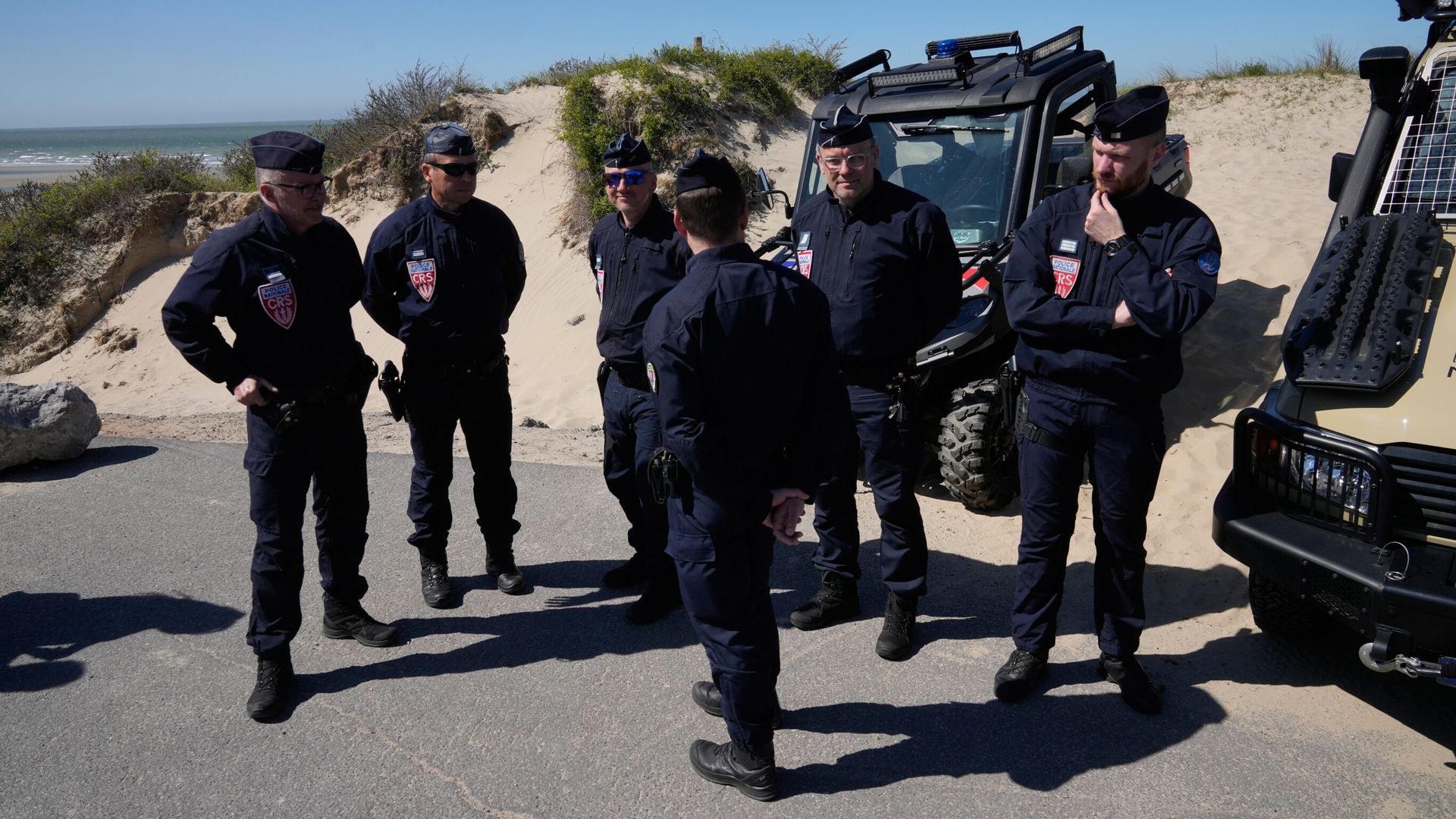
French authorities arrested five individuals from Britain last Thursday in northern France, suspecting them of far-right activism and possession of tear gas bombs. This incident highlights ongoing concerns about extremist groups crossing borders within Europe, potentially escalating tensions and violence.
Details of the Arrest in Northern France
The five suspects were detained during a police operation targeting far-right extremist activities. French law enforcement discovered that the group was carrying tear gas bombs, a prohibited weapon in many countries, including France and the United Kingdom. The presence of these devices suggests preparations for violent confrontations or disturbances.
Although specific details about the suspects’ identities and their planned actions have not been disclosed, their British nationality and association with far-right movements have raised alarms among security agencies in both countries. Authorities are investigating the extent of their network and any planned activities within France or elsewhere in Europe.
Context: Far-Right Extremism and Cross-Border Risks
Far-right extremist groups have increasingly exploited cross-border movements within the European Union to coordinate activities, share tactics, and mobilize supporters. The Schengen Area’s open borders facilitate easier travel, which, while beneficial for commerce and tourism, also presents challenges for security agencies trying to monitor potential threats.
In recent years, authorities have reported a rise in violent acts linked to far-right activists, including hate crimes, political intimidation, and disruptions of public events. The possession of tear gas bombs by this British group underscores a troubling trend of individuals arming themselves with illegal weapons to enforce their ideologies aggressively.
Both France and the UK have intensified their efforts to combat extremist violence. French police regularly conduct surveillance and preventive operations in regions prone to radical activity, while the UK has implemented counter-terrorism strategies focusing on far-right radicalization. Collaboration between the two countries has become increasingly important to address these threats effectively.
Why This Arrest Matters for European Security
This case serves as a stark reminder of the persistent threat posed by far-right extremists within Europe. The detention of these suspects before any violent act could transpire demonstrates proactive law enforcement efforts but also signals the underlying challenges in curbing extremist mobilization.
Possession of tear gas bombs indicates readiness for violent confrontation, potentially endangering public safety. Such weapons can incapacitate crowds and cause panic, heightening the risk during protests or clashes. The arrest disrupts what could have been a coordinated attempt to incite unrest in France.
Moreover, the cross-national dimension of this case highlights the importance of international intelligence sharing and joint security operations. Far-right groups do not respect national borders, making cooperation between countries essential to prevent the spread of extremist violence.
What Comes Next?
Investigations will likely focus on uncovering the full scope of the suspects’ intentions, affiliations, and any planned activities in France or the UK. Authorities will also work to identify possible accomplices and dismantle any networks involved in transporting weapons or coordinating extremist actions across borders.
Public safety remains a priority, with security forces maintaining vigilance against similar threats. Governments across Europe continue to strengthen legal frameworks and policing strategies to address far-right extremism, recognizing its potential to destabilize communities and undermine social cohesion.
In summary, the arrest of these five British far-right suspects in northern France with tear gas bombs underscores the ongoing challenge of extremist violence in Europe. It highlights the critical need for coordinated international security efforts to prevent such threats from materializing and protect public safety across borders.