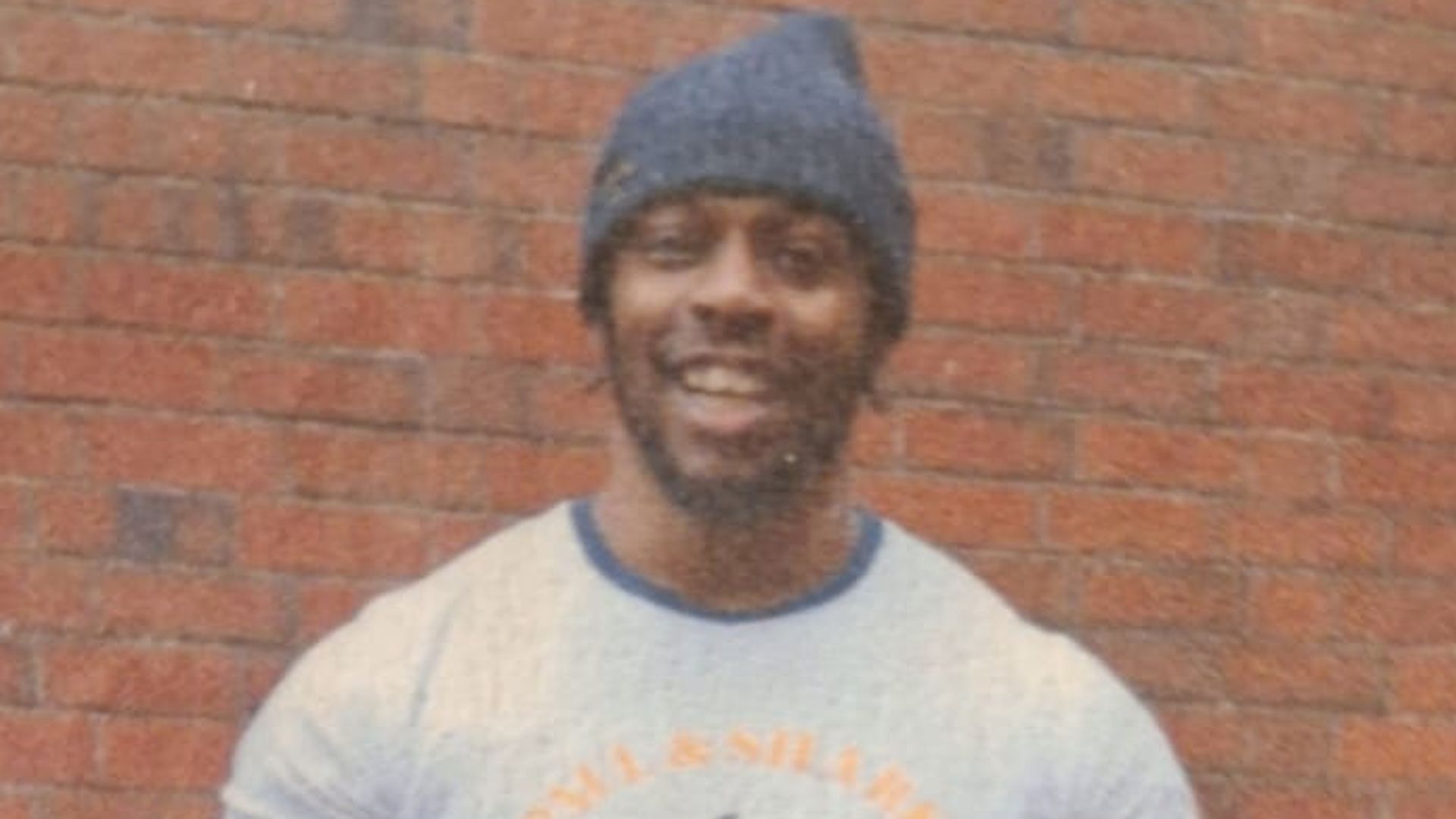
A devastating high-speed train accident in Spain has claimed the lives of 69 people, including a distinguished professor from the University of Cambridge. This tragic incident has shocked both the academic community and the broader public, highlighting the risks associated with high-speed rail travel despite its widespread use and technological advancements.
The Fatal Train Crash: What Happened?
The catastrophic crash occurred when a high-speed train derailed under circumstances that are still being investigated by Spanish authorities. The train was reportedly traveling at significant speeds, which contributed to the severity of the accident. Emergency services rushed to the scene, but unfortunately, many passengers, including the renowned Cambridge professor, did not survive the impact.
The professor, whose identity has been confirmed by the university, was traveling in Spain at the time of the accident. His death has sent ripples through the academic world, where he was highly regarded for his contributions to his field. The total death toll of 69 reflects the immense scale of this tragedy, making it one of the deadliest rail accidents in recent Spanish history.
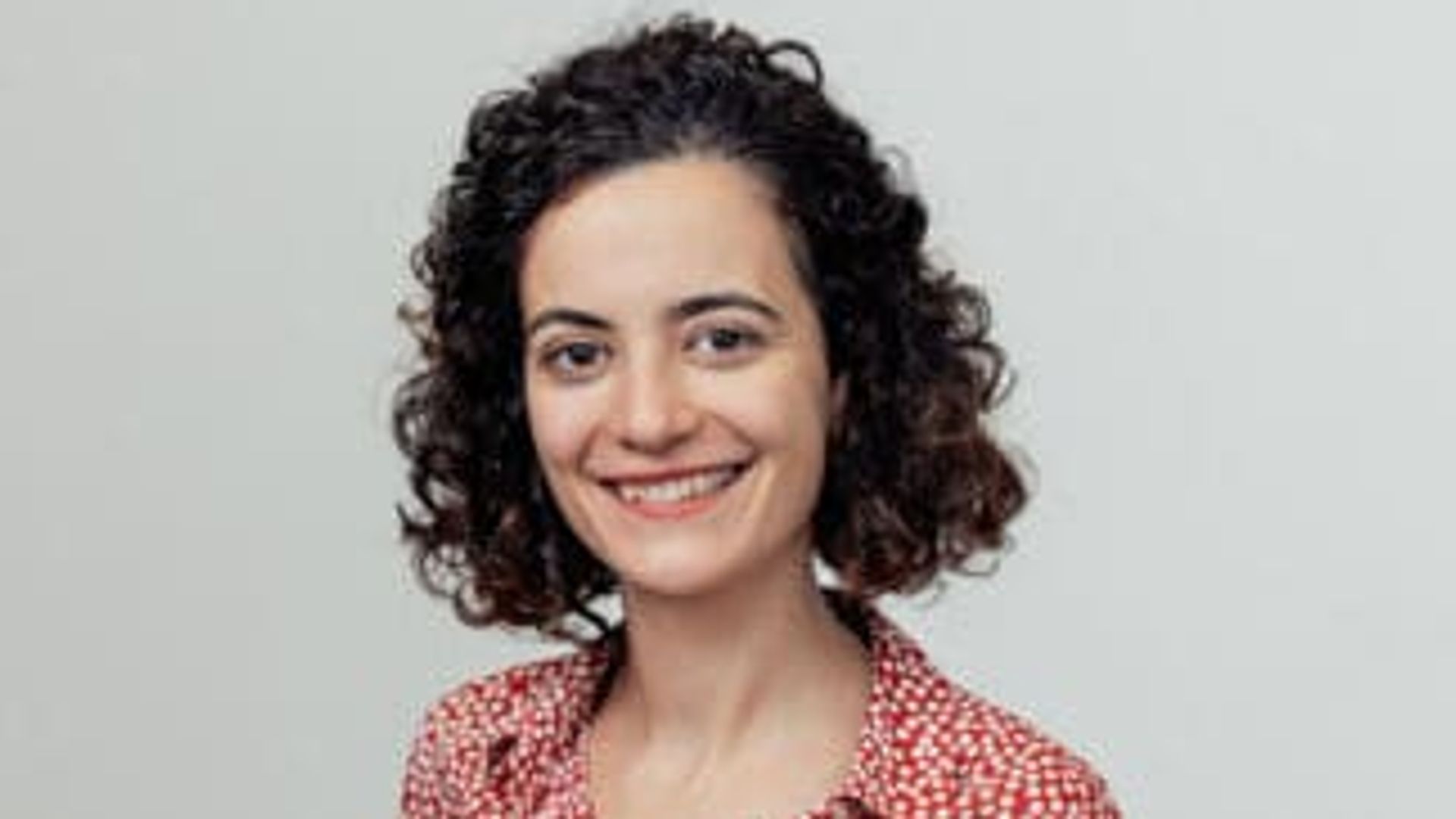
Background: The University of Cambridge and the Professor’s Impact
The University of Cambridge stands as one of the world’s leading academic institutions, renowned for its research and teaching excellence. Professors affiliated with Cambridge often influence both national and international scientific communities, making this loss particularly poignant.
The professor was known for his groundbreaking work in his area of expertise, contributing to significant advancements and mentoring numerous students over the years. His involvement in cutting-edge research and commitment to education made him a respected figure within Cambridge and beyond. The university community has expressed profound sorrow and extended condolences to his family, colleagues, and students.
Such a loss reverberates beyond immediate circles, reminding us of the human stories behind academic achievements and the unpredictability of life.
Why This Tragedy Matters: The Broader Implications
Rail travel, especially on high-speed lines, is often considered one of the safest modes of transportation worldwide. However, this accident underscores the need for ongoing vigilance, rigorous safety protocols, and continuous technological improvements to prevent similar disasters.
Spain’s high-speed rail network, known as AVE, has been celebrated for its efficiency and safety record. The derailment raises questions about infrastructure maintenance, operational procedures, and emergency preparedness. Authorities are expected to conduct comprehensive investigations to determine the precise causes and recommend measures to enhance safety.
Moreover, the incident highlights the vulnerability of even the most advanced transportation systems to unforeseen events, and the importance of rapid, coordinated emergency response to minimize casualties.
What Comes Next: Investigation and Recovery
Spanish officials have launched a full-scale investigation into the crash. Preliminary reports will focus on technical aspects of the train, track conditions, and any potential human factors contributing to the accident. The findings will be crucial for implementing reforms that prevent future tragedies.
The University of Cambridge is also likely to provide support to its community affected by the loss, including counseling services for students and faculty grieving the death of their professor. Memorials and tributes are expected to honor his legacy and contributions.
Families of victims await answers, and the community hopes for clear communication from authorities as the investigation unfolds.
Closing Takeaway: Remembering a Life Amid Tragedy
The death of a prominent University of Cambridge professor in the Spanish high-speed train crash brings a deeply personal dimension to a devastating public tragedy. While the investigation into the causes continues, this event serves as a solemn reminder of the fragility of life and the ongoing need to prioritize safety in transportation.
As the academic world mourns a significant loss, the broader public is called to reflect on how safety measures, infrastructure investment, and emergency readiness can evolve to protect lives better. The professor’s enduring legacy in research and education will continue to inspire, even as communities come to terms with this heartbreaking loss.