As the UK continues to grapple with the aftermath of Brexit, questions mount about whether the country will ever reconsider its departure from the European Union. At the forefront of this debate is Andy Burnham, a prominent Labour politician whose rising profile has sparked speculation about his potential to reshape Britain’s relationship with Europe. But can Burnham realistically steer the nation back towards EU membership without reopening divisive political wounds?
Who Is Andy Burnham and Why Does Brexit Matter Now?
Andy Burnham has long been a key figure in British politics, serving as the Mayor of Greater Manchester and a former Labour cabinet minister. Known for his pragmatic approach and ability to connect with working-class voters, Burnham represents a faction within Labour that seeks a fresh direction after years of internal turmoil and electoral challenges.
Brexit, which officially took place in 2020, has left Britain navigating economic uncertainties, trade complications, and political fragmentation. Many voters remain divided over the decision to leave the EU, with some calling for a rethink as the country faces new challenges in global markets and diplomatic relations.
Burnham’s potential leadership raises the question: could he be the figure to lead a national conversation about possibly reversing Brexit? His reputation as a unifier and pragmatic policymaker fuels speculation that he might pursue a path to reintegrate Britain with the EU, or at least soften the country’s stance toward European cooperation.
Reopening the EU Debate: Political Risks and Rewards
Discussing a return to the EU is a highly sensitive topic in the UK, often described as “toxic” due to the strong emotions and divisions it still evokes. Public opinion remains split, with many citizens feeling Brexit was a matter settled by referendum. Any political leader advocating for rejoining the EU risks alienating large segments of the electorate who see Brexit as irreversible.
Nonetheless, some politicians and commentators argue that revisiting Britain’s EU membership could address economic stagnation and restore stronger international partnerships. The debate also puts pressure on the Conservative Party and emerging groups like Reform UK to clarify their positions, as the political landscape shifts in response to ongoing Brexit consequences.
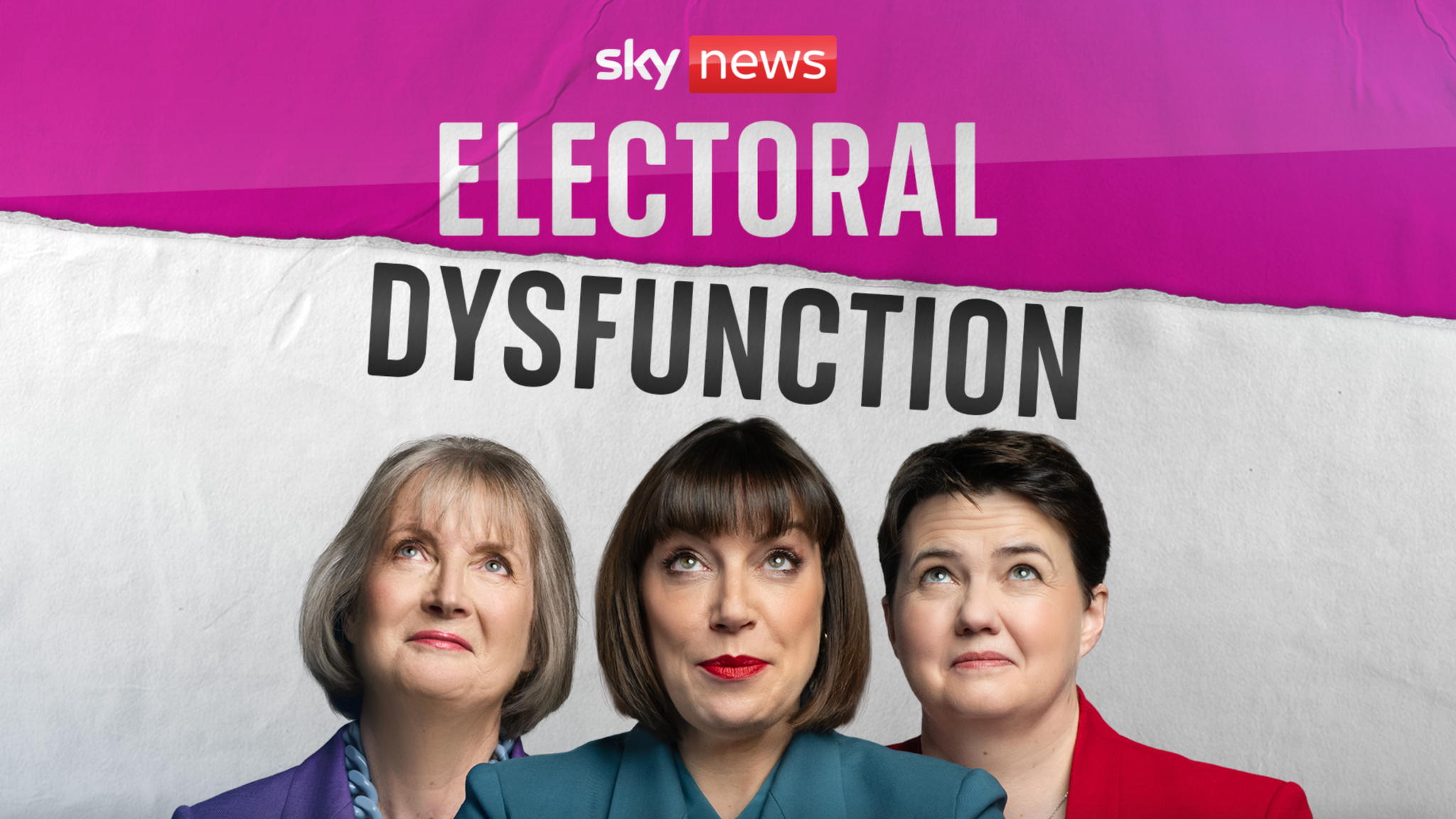
Labour figures such as Harriet Harman and commentators like Beth Rigby and Ruth Davidson have engaged in discussions about the feasibility and wisdom of reopening the EU question. Their insights highlight the complex balance politicians must strike between respecting the referendum’s outcome and adapting to new economic realities.
What Does This Mean for Britain’s Political Future?
Beyond Brexit, the conversation about the UK’s future also encompasses domestic issues such as welfare reform and social policy. The recent publication of the Milburn review signals potential welfare cuts targeting young people, a move that could further influence public opinion and political alignment.
For Burnham and other Labour leaders, navigating these intertwined challenges requires strategic vision. Advocating for EU reintegration—or at least a softer approach to Europe—might appeal to urban and younger voters who feel Brexit has hurt economic prospects. However, it also risks deepening divides with traditional Labour supporters in regions that backed Leave.
Meanwhile, the Conservative Party and Reform UK must decide how firmly to stick to Brexit’s legacy or whether to adjust their policies in light of shifting public sentiment. This political recalibration will be crucial as Britain approaches future elections.
Looking Ahead: Can Britain Heal Its Brexit Divisions?
The question of whether Andy Burnham or any other leader can effectively undo Brexit remains open. The political landscape is fraught with complexity, as leaders weigh the economic benefits of EU membership against the emotional and cultural attachments to sovereignty and independence.
Ultimately, the debate reflects broader issues about Britain’s identity and role on the world stage. As the UK continues to confront these challenges, the leadership choices made in the coming years will shape the nation’s trajectory—economically, politically, and socially.
For citizens and policymakers alike, understanding the nuances of this debate is essential. Whether Burnham can transform speculation into reality depends on his ability to unite a fractured electorate and present a compelling vision for Britain’s future in Europe.