The shocking details of the Joanne Young rape case have reignited urgent calls to reform the UK’s consent laws, exposing dangerous legal loopholes around “third-party consent” in sexual abuse cases. Four men were convicted of sexually abusing Mrs Young, who was systematically exploited after her ex-husband, former Conservative councillor Philip Young, drugged and trafficked her for sex over more than a decade.
The Case That Shook Wiltshire
On Thursday, a jury found Norman Macksoni, Richard Wilkins, Connor Sanderson-Doyle, and Mohammed Hassan guilty of sexually abusing Joanne Young. The men had been recruited through websites like Craigslist, Grindr, and Fab Swingers, where Philip Young advertised his wife for sex without her consent. These attacks occurred in their Swindon, Wiltshire home over a 13-year period, with Philip Young orchestrating the abuse after drugging his wife.

Remarkably, the defendants attempted to use the defence of “reasonable belief” that Mrs Young had consented, claiming they were deceived by Philip Young. This defence hinges on whether the accused genuinely believed consent was given, even if it was not. However, the prosecution and survivors argue this legal standard dangerously allows perpetrators to evade accountability when the victim’s consent was never obtained.
Philip Young himself pleaded guilty to 56 charges, including multiple counts of rape and sexual assault, highlighting the scale and severity of his crimes.
Why This Case Demands Legal Reform
Following the verdicts, Mrs Young, her daughter Alex Young, and prominent figures including Labour MP Jess Phillips have called on the government to close the loophole that permits “third-party consent” as a defence in rape trials. Jess Phillips, a former minister for safeguarding and violence against women and girls, emphasized the urgent need for legislative change.
Speaking to Sky News, Ms Phillips said, “It’s absolutely right that the government should look at what might need changing following this case.” She stressed that the law must clarify that any “reasonable belief” of consent must come directly from the victim, not a third party, to prevent abuse of this defence in future cases.
“Why was Joanne Young forced to endure a trial that questioned her consent when it was so clearly never given?” Phillips questioned, highlighting the injustice survivors face when the legal system allows such defences.

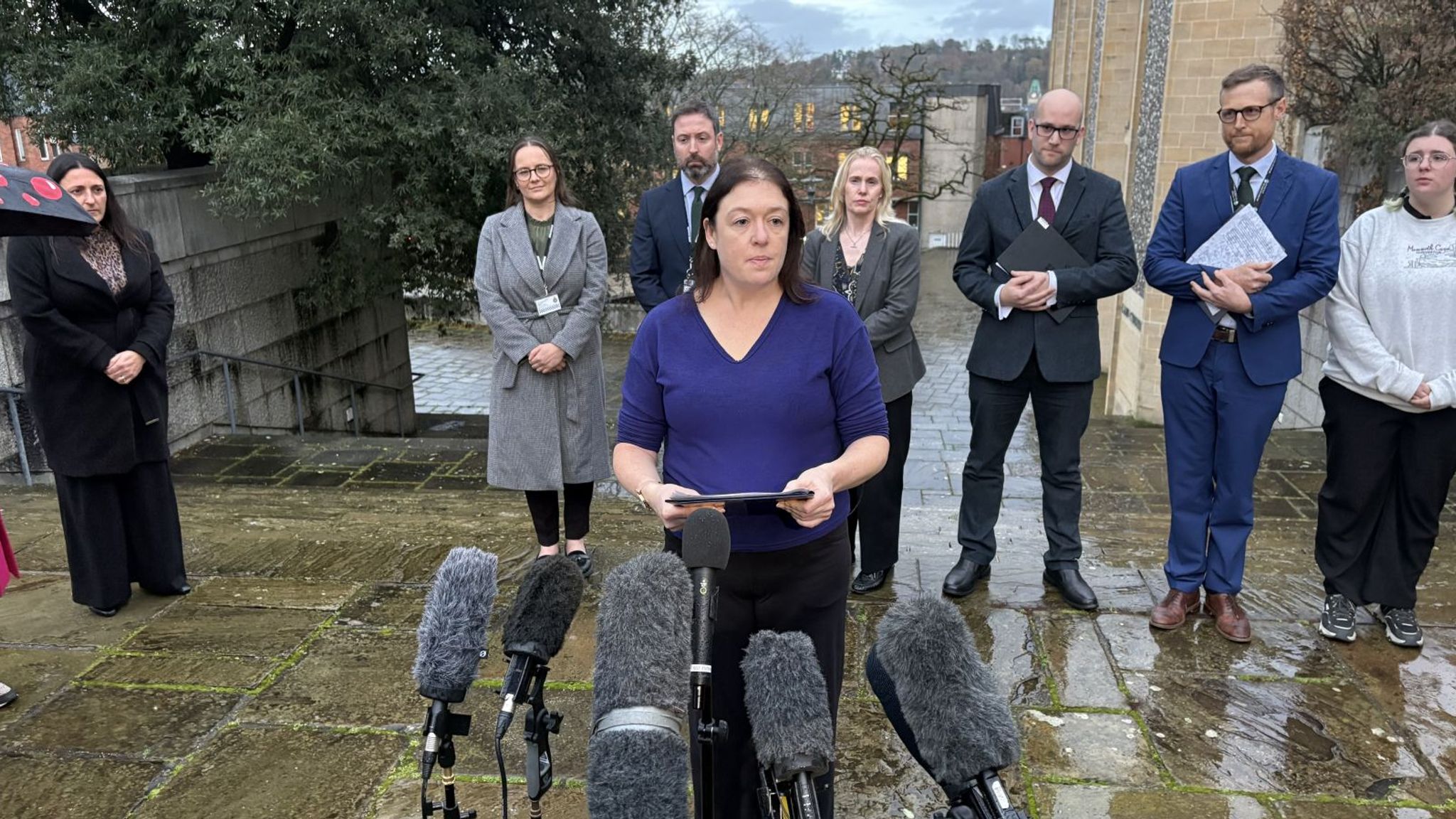
Outside Winchester Crown Court, Joanne Young firmly stated, “No one should be able to give consent on your behalf.” She urged policymakers to prioritize reforms that better protect women from similar abuses.
Alex Young echoed her mother’s call on LinkedIn, condemning the outdated legal framework. “We live in a world where someone’s partner can consent for them, and that is enough to use it as an argument in a court of law. This is simply unacceptable,” she wrote. “It’s been 23 years since the law was last updated. Society and crime have evolved — so why hasn’t the law?”
Broader Implications and Calls for Action
The case has also drawn attention from national figures fighting domestic abuse. Dame Nicole Jacobs, the UK’s domestic abuse commissioner, called the verdicts a potential “turning point” in addressing drug-facilitated sexual abuse. She emphasized that such crimes must be recognised as a severe form of domestic abuse rather than isolated incidents.
The Young case mirrors other high-profile abuses, including that of Dominique Pelicot, who similarly drugged and raped his wife Gisele, allowing dozens of men to abuse her. The Pelicot case prompted international police cooperation, with French investigators assisting UK authorities in the Young investigation.
Domestic abuse charity Refuge praised Mrs Young’s bravery for waiving her right to anonymity, describing the convictions as “long overdue justice.” However, the charity also cautioned that no verdict can undo the profound trauma inflicted. Refuge highlighted the need to shift societal attitudes, echoing survivor Gisele Pelicot’s powerful message that “shame must change sides.”
What This Means for Consent Law in the UK
The Joanne Young case exposes critical gaps in the UK’s sexual consent laws, particularly the controversial defence that allows perpetrators to claim they reasonably believed a third party had consented on behalf of the victim. This loophole poses a dangerous risk of normalising coercion and abuse, especially in complex domestic situations involving drug-facilitated offenses.
Lawmakers face increasing pressure to revise the Sexual Offences Act to explicitly prohibit third-party consent as a valid defence, ensuring that consent can only be given by the individual themselves. Such reform would align the law with modern understandings of autonomy and protection against abuse.
As the government considers these changes, the case serves as a stark reminder that legal systems must evolve alongside society’s growing awareness of domestic and sexual violence. Protecting survivors and closing loopholes that allow abusers to escape justice is not just a legal imperative — it is a moral one.
Looking Ahead
Joanne Young’s courage in seeking justice and speaking out has sparked vital conversations about consent and the law’s role in safeguarding vulnerable individuals. While the convictions mark a significant step forward, they also underline the urgent need for comprehensive legal reforms to prevent similar abuses.
As public awareness grows and calls for change intensify, the government’s response in updating consent laws will be critical in shaping a safer future for survivors of sexual abuse across the UK.