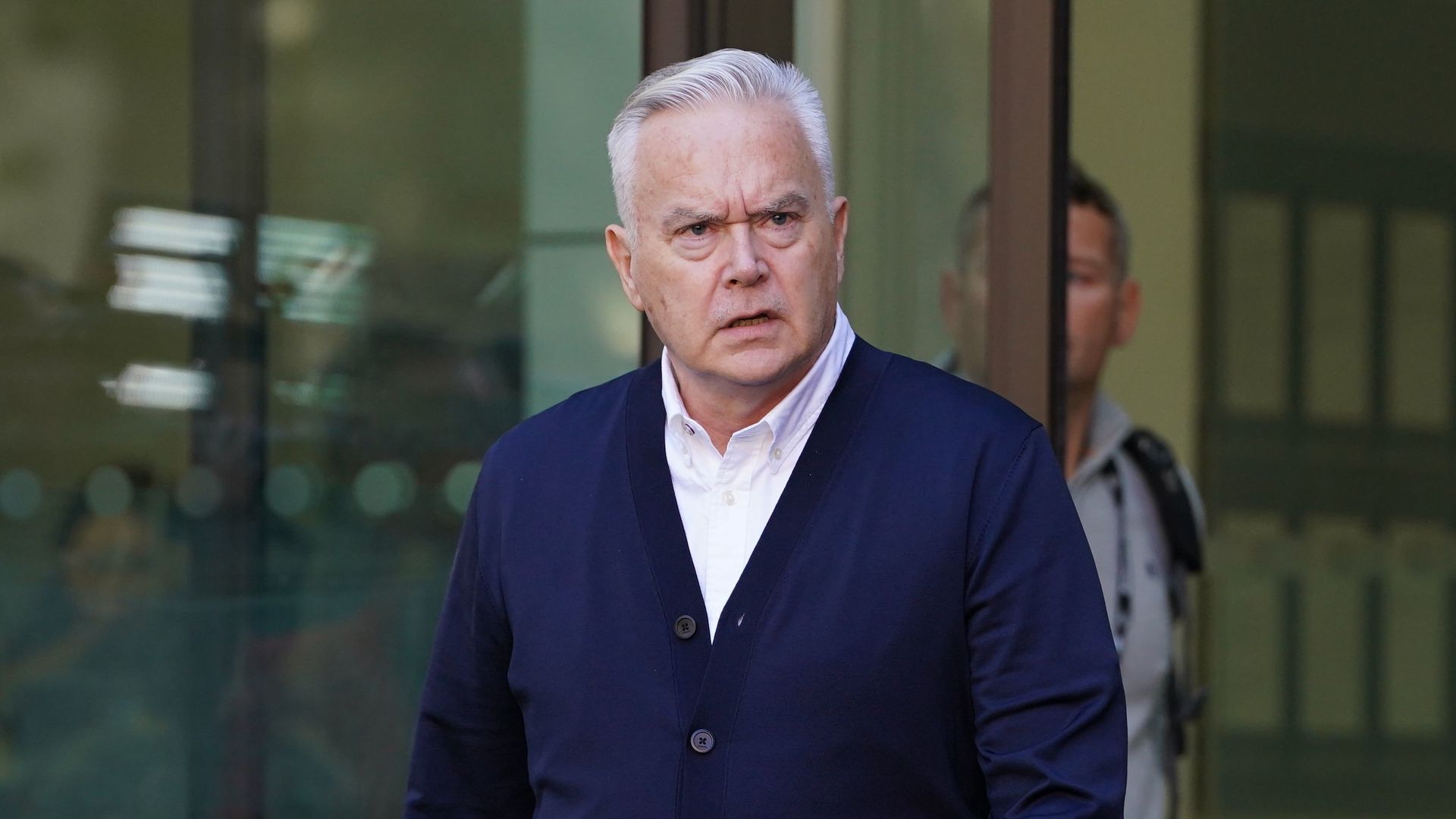
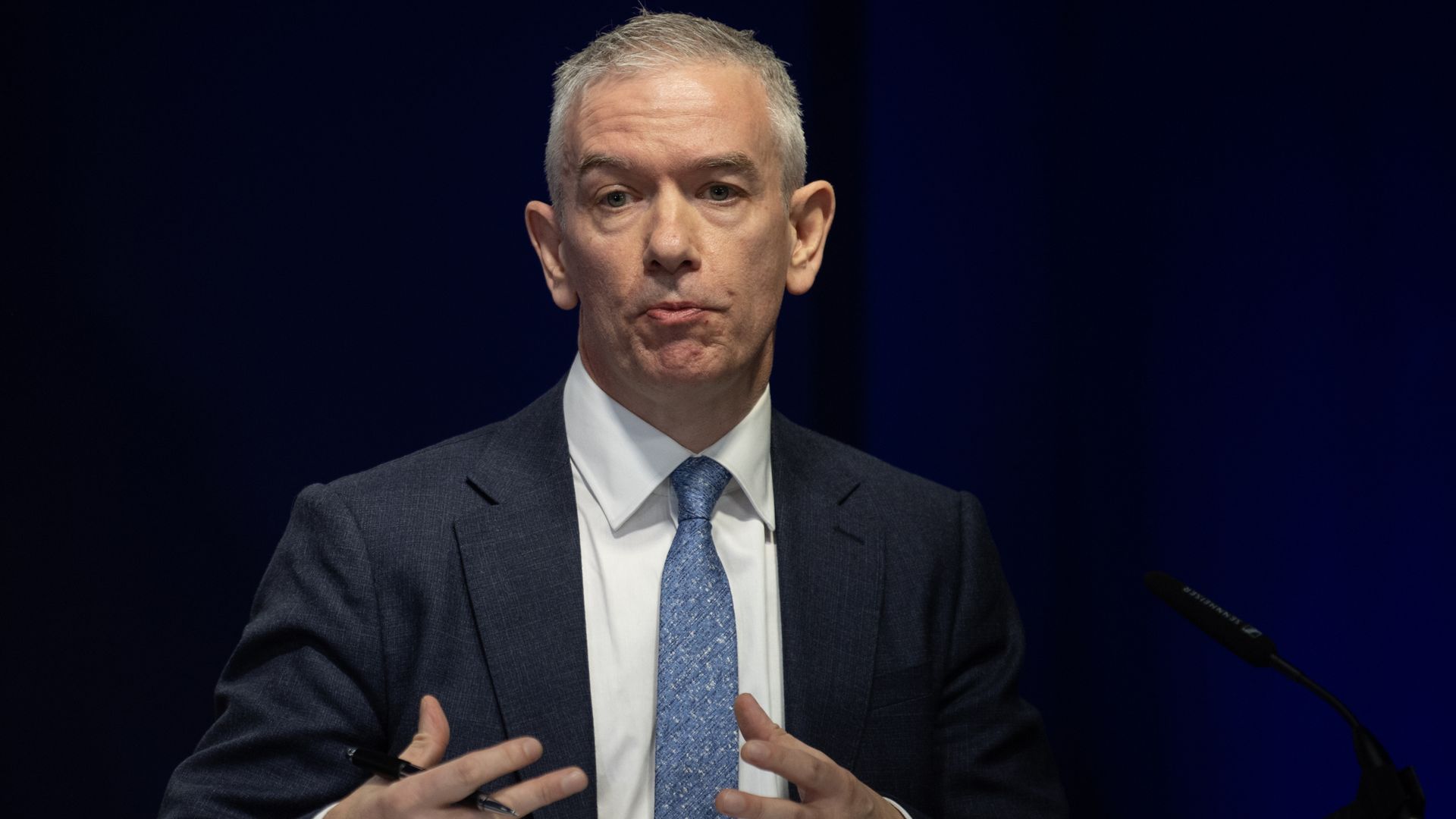
Dr. Gregor Smith, Scotland’s top medical officer, has made the unexpected decision to resign from his influential role, revealing that he is currently struggling with his mental health. His departure underscores the immense pressures faced by frontline health leaders amid ongoing public health challenges.
The Resignation: A Rare and Candid Admission
In a statement released to the public, Dr. Smith openly acknowledged that he does not “currently enjoy the good mental health necessary to continue” serving as the Chief Medical Officer (CMO) for Scotland. This candid admission highlights the growing recognition of mental health issues, even among those tasked with managing the nation’s healthcare system.
Dr. Smith’s resignation marks a significant moment in Scottish healthcare governance. The role of Chief Medical Officer carries vast responsibilities, including advising the government on health policy, overseeing public health responses, and providing guidance during crises such as the COVID-19 pandemic. Occupying this position demands resilience, stamina, and clarity of mind—qualities that Dr. Smith has found difficult to maintain amid the relentless pressures of the job.
Why This Matters: The Weight of Healthcare Leadership
The departure of a chief medical officer due to mental health reasons is exceptional and shines a spotlight on the intense stress healthcare leaders endure. Over the past several years, Scottish health services have navigated unprecedented challenges, from the pandemic response to addressing ongoing public health inequalities.
Dr. Smith’s role involved steering the nation through complex health decisions, balancing scientific advice with political considerations, and managing the expectations of both the public and healthcare professionals. The cumulative strain of these demands can take a serious toll on mental well-being.
This situation reflects broader concerns about burnout and mental health struggles among healthcare workers at all levels. While frontline staff often receive attention for their sacrifices, senior officials carry the additional burden of decision-making under scrutiny and pressure. Dr. Smith’s resignation serves as a powerful reminder that mental health challenges can affect anyone, regardless of status or expertise.
What Comes Next: Transition and Future Outlook
The Scottish Government will now embark on the process of appointing a successor to fill the Chief Medical Officer position. Ensuring a smooth transition will be critical to maintaining stability in public health leadership, especially as Scotland continues to face evolving health challenges.
Meanwhile, Dr. Smith’s openness about his mental health struggles could encourage a more empathetic approach to mental well-being within the healthcare sector. It may prompt renewed efforts to provide support for medical professionals, particularly those in high-stress leadership roles.
The government and health organizations may also review policies to better safeguard the mental health of their senior staff, recognizing that effective leadership depends not only on expertise but also on the well-being of those at the helm.
Looking Ahead: A Wake-Up Call for Healthcare Systems
Dr. Gregor Smith’s resignation is more than the departure of a high-profile figure; it is a stark indication of the human cost embedded within healthcare leadership. As Scotland prepares to appoint a new Chief Medical Officer, the broader healthcare community must reflect on how to cultivate resilience and provide meaningful mental health support for those who bear the weight of public health responsibilities.
By acknowledging the realities of mental health challenges in leadership positions, the Scottish medical community can take steps toward fostering a more sustainable and compassionate environment for all healthcare professionals. The hope is that Dr. Smith’s decision will not only lead to appropriate care for him personally but also inspire systemic changes benefiting the entire health sector.