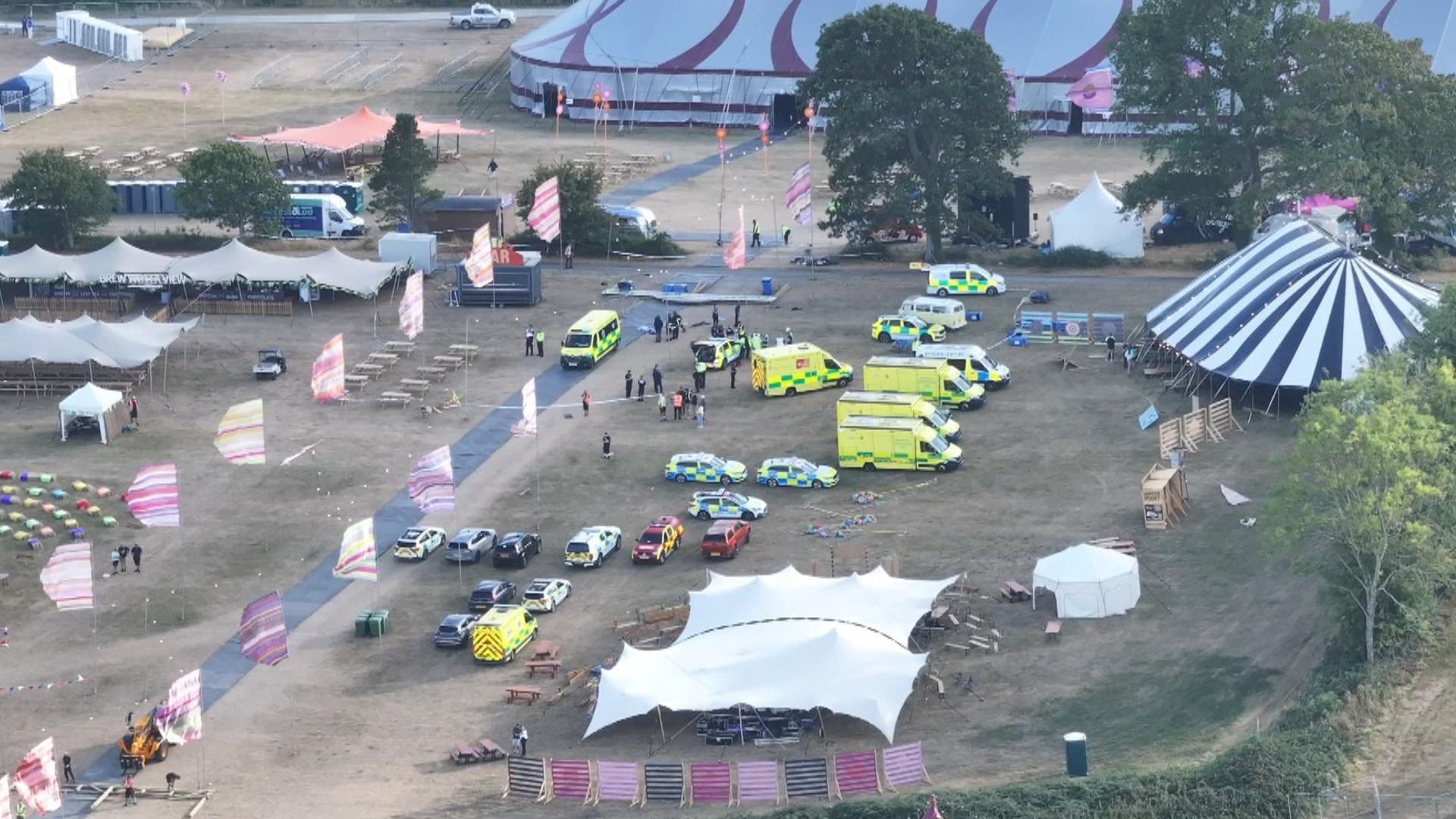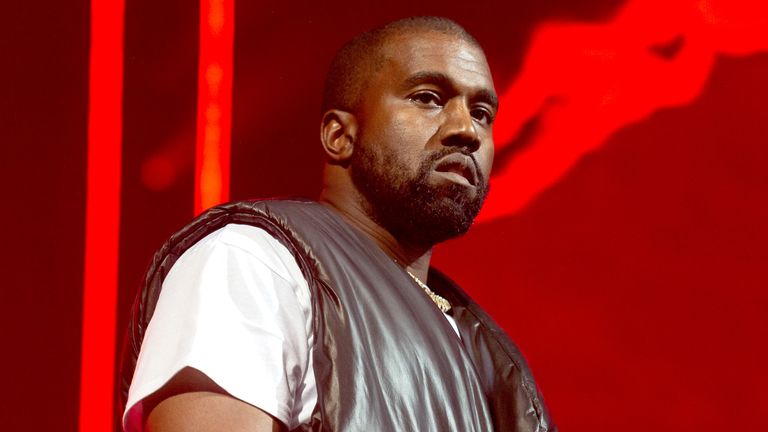
The 2024 Wireless Festival has been abruptly cancelled after the UK government barred Kanye West from entering the country. The decision came amid fierce backlash against West’s scheduled headline performances across all three nights of the London-based event.

Government Blocks Kanye West Over Public Interest Concerns
The Home Office revoked West’s electronic travel authorisation (ETA), declaring his presence “not conducive to the public good.” This decisive move followed widespread condemnation of West’s recent antisemitic remarks and public glorification of Nazi symbolism, which have led to multiple social media bans.
Festival Republic, the festival’s promoter, swiftly announced the cancellation, confirming that all presale ticket holders — whose tickets had only been available hours earlier — will receive full refunds.
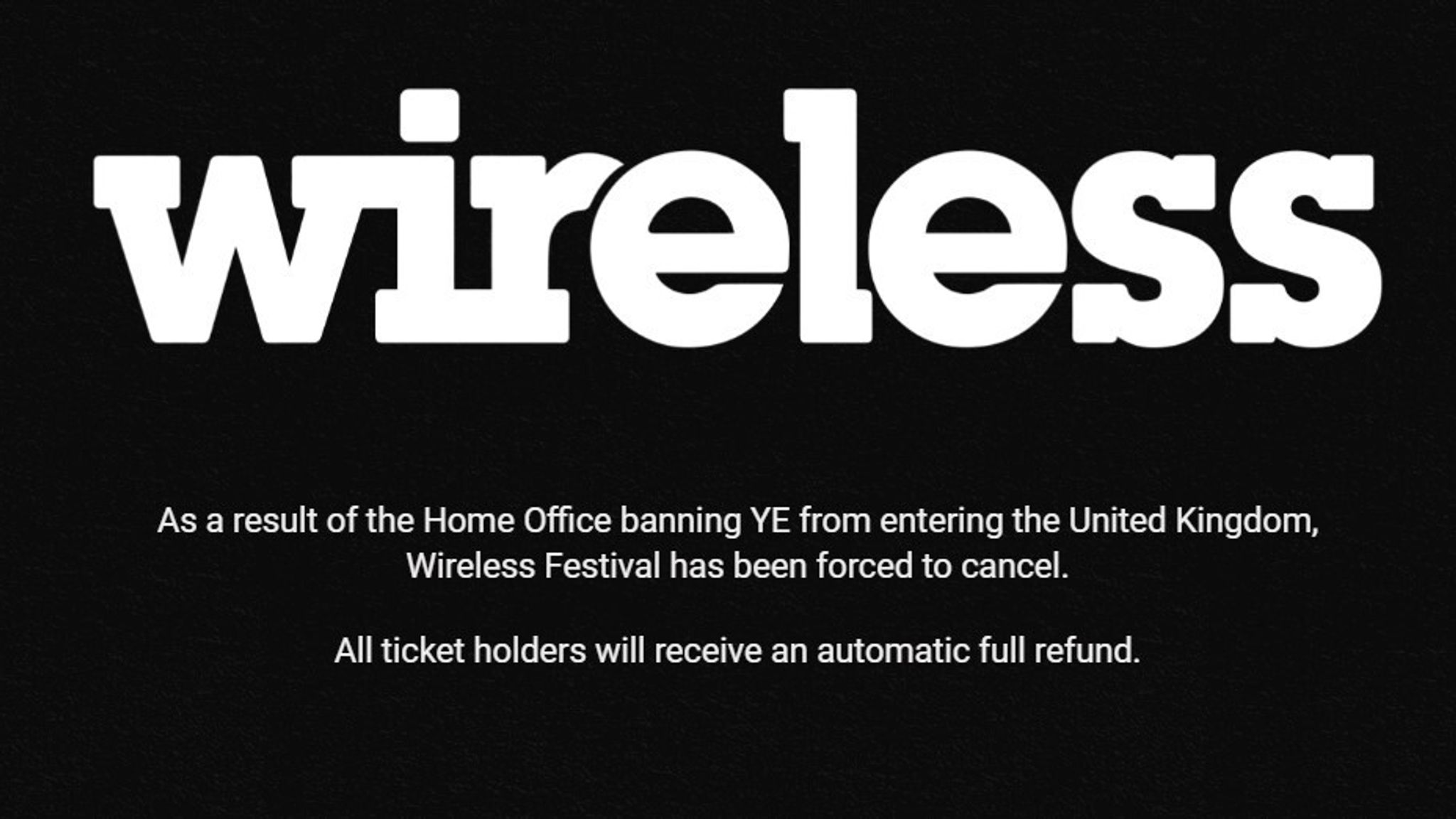
“The Home Office has withdrawn Ye’s ETA, denying him entry into the United Kingdom,” the festival organizers stated. “As a result, Wireless Festival is cancelled and refunds will be issued to all ticket holders.”
Major Sponsors Withdraw Support Amid Controversy
High-profile sponsors including Pepsi, Rockstar Energy, and Diageo pulled their backing from the festival, intensifying pressure on organizers. The booking had drawn sharp criticism from Prime Minister Keir Starmer, leading politicians, and Jewish community leaders nationwide.
Festival Republic revealed they had consulted “multiple stakeholders” before confirming West’s headline slot but said no objections emerged at that time. They condemned antisemitism unequivocally, acknowledging the profound harm caused by West’s statements.
“Antisemitism in all its forms is abhorrent, and we recognise the real and personal impact these issues have had,” the organizers said. “As Ye stated today, he acknowledges that words alone are not enough and hopes to begin a conversation with the Jewish community in the UK.”
Political Leaders and Community Groups Respond
Prime Minister Keir Starmer publicly condemned the initial invitation, stating, “Kanye West should never have been invited to headline Wireless. This government stands firmly with the Jewish community, and we will not stop in our fight to confront and defeat the poison of antisemitism.”
Phil Rosenberg, president of the Board of Deputies of British Jews, praised the government’s ban but lamented the festival’s initial decision to book West. “Wireless has now been cancelled, but it should never have reached this point,” Rosenberg said. “The situation could and should have been resolved much earlier.”
He added, “We hope lessons are learned across the industry. Music festivals must be safe spaces where all communities feel welcome—not platforms for individuals with histories of promoting antisemitism, racism, and other repugnant views.”
Kanye West’s Controversial History and Response
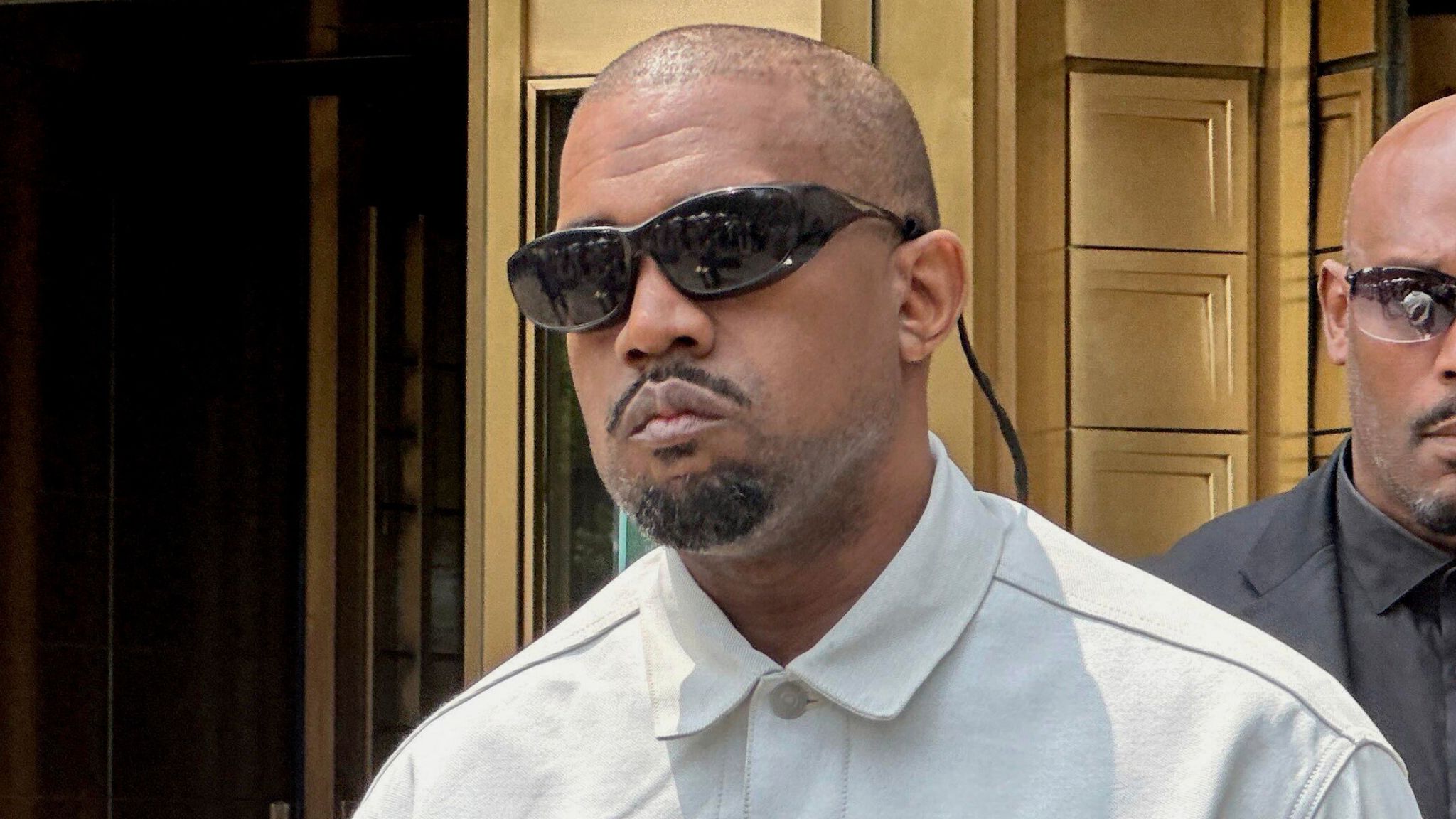
West’s recent conduct includes antisemitic social media posts, flaunting a swastika T-shirt during a Super Bowl advertisement, and releasing a track referencing Adolf Hitler. In January, he publicly apologised, attributing his behaviour to bipolar-1 disorder and claiming he had “lost touch with reality.”
Before the travel ban, West expressed a desire to visit London to “present a show of change, bringing unity, peace, and love through music.” He also sought to meet the UK Jewish community “in person, to listen,” acknowledging that words alone are insufficient to demonstrate genuine change.
Despite these statements, critics overwhelmingly rejected his assurances as inadequate.
Government’s Authority to Deny Entry
The UK government exercises discretion to deny entry to foreign nationals whose presence threatens public welfare. Such bans, typically imposed by the Home Secretary, address grave concerns including national security, extremism, and serious criminal conduct.
Kanye West’s application for UK travel via electronic travel authorisation was initially approved online on Monday, but ministerial intervention ultimately revoked the clearance, preventing his arrival.