Air pollution levels in the UK have surged to concerning heights, prompting urgent warnings for vulnerable populations as the country braces for its hottest day so far this year.
Rising Pollution Amidst Record-Breaking Heat
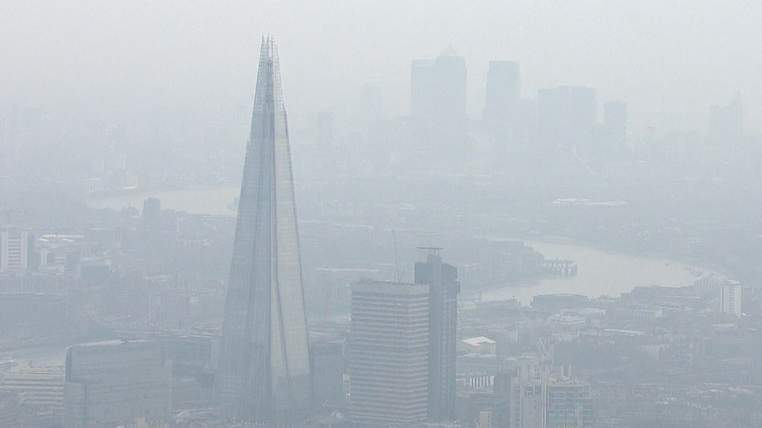
As temperatures climb, reaching up to 22 degrees Celsius (71.6 degrees Fahrenheit) in parts of eastern England, a thick blanket of hazardous air pollution is expected to engulf large swathes of the UK. Forecasters anticipate that eastern, central, and southern England will experience notably high pollution levels today, with certain areas such as East Sussex and west Kent facing “very high” concentrations. These readings come from the UK-Air monitoring service, a government-backed platform that tracks air quality across the nation.
The surge in pollution results from a combination of factors. Domestic soot particulates, primarily emitted from local heating and transportation, have accumulated in the atmosphere. This local pollution is compounded by transboundary air pollution drifting in from continental Europe, carrying industrial emissions and vehicle exhaust. Additionally, dust particles originating from the Sahara Desert have been transported northward by prevailing winds, further degrading air quality. The fine and stable weather conditions expected today mean that this polluted air mass will linger over affected regions for several hours, trapped close to the surface without sufficient wind to disperse it.
__IMAGE_PLACEHOLDER_1__
Health Risks for Vulnerable Groups
Experts from Public Health England and leading respiratory health organizations have stepped forward with clear advisories targeted at those most at risk. **Dr Sotiris Vardoulakis**, head of the air pollution group at Public Health England, emphasized that while most individuals may not feel immediate effects from these short-term pollution spikes, people with pre-existing heart or lung conditions could experience a worsening of symptoms.
He urged residents in areas registering “very high” pollution to limit physical exertion, especially if they begin to notice respiratory symptoms like coughing or a sore throat. “Adults and children with lung problems, adults with heart problems, and older people should avoid strenuous physical activity,” Dr Vardoulakis advised. He also cautioned that those with asthma might find themselves needing to use their reliever inhalers more frequently during these conditions.
The concern centers on the fine particulate matter and pollutants suspended in the air, which can penetrate deep into the lungs and enter the bloodstream, aggravating respiratory and cardiovascular conditions. Such pollutants can trigger inflammation, reduce lung function, and increase the risk of heart attacks and strokes in susceptible individuals.
__IMAGE_PLACEHOLDER_2__
Asthma Patients Face Increased Danger
**Dr Samantha Walker**, director of research and policy at Asthma UK, highlighted the particular vulnerability of people with asthma during periods of elevated air pollution. According to Dr Walker, roughly two-thirds of asthma sufferers report worsened symptoms when pollution levels rise, which significantly raises their risk of severe and sometimes fatal asthma attacks.
She stressed the importance of vigilance: “When air pollution is high, it is vital that people with respiratory conditions, including asthma, monitor air quality forecasts closely, always carry their reliever inhaler, and adhere strictly to their preventer inhaler routines.” Preventer inhalers help reduce airway inflammation over time, building resilience against triggers such as pollution.
__IMAGE_PLACEHOLDER_3__
Looking Ahead: What to Expect
Fortunately, meteorological forecasts indicate a shift in conditions by early Saturday morning. Winds are expected to strengthen, sweeping in fresher air and dispersing the accumulated pollutants. This natural ventilation will alleviate the current pollution buildup, improving air quality across the UK.
Nevertheless, the episode serves as a stark reminder of the complex interplay between weather, pollution sources, and public health. It underscores the need for continuous monitoring and public advisories to protect those most at risk during environmental stress events.
Why This Matters
Episodes of high air pollution combined with heat waves pose a dual threat to health, especially for the elderly and individuals with chronic respiratory or cardiovascular diseases. The trapped pollutants can exacerbate existing illnesses and increase hospital admissions.
This situation also highlights the broader challenges faced by countries managing air quality in the context of climate variability and increasing urbanization. With hotter days becoming more frequent due to climate change, such pollution episodes may become more common, demanding proactive public health strategies and individual precautions.
Final Takeaway
As the UK experiences its hottest day alongside dangerous air pollution levels, vulnerable groups must take immediate protective measures by avoiding strenuous activities and adhering to medical advice. Public health experts urge everyone to stay informed on air quality updates and prepare for fluctuations in environmental conditions.
The forthcoming arrival of stronger winds promises relief, but this event underscores the critical importance of ongoing efforts to reduce pollution sources and enhance community resilience against the health impacts of poor air quality.