

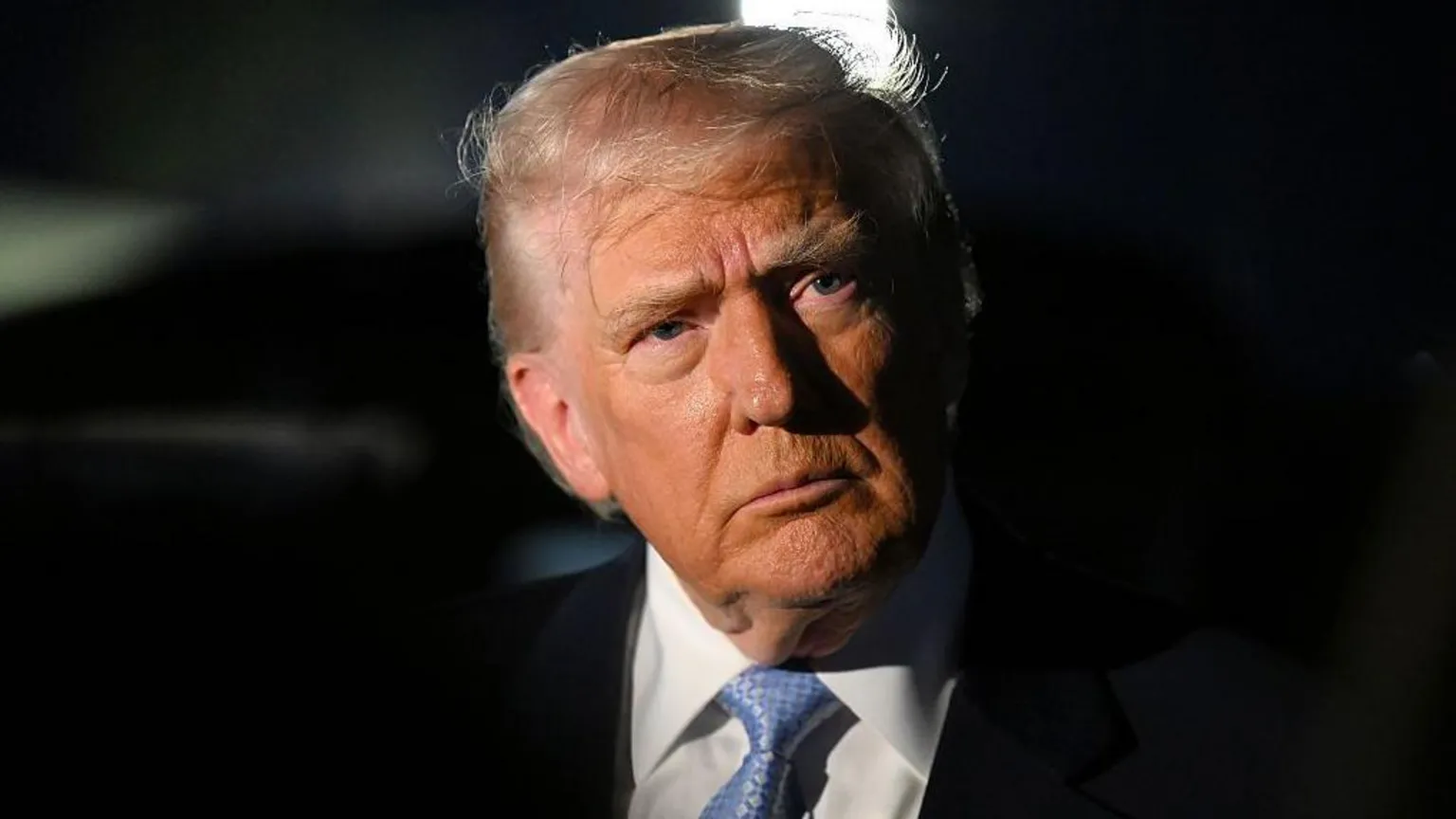
US President Donald Trump has repeatedly challenged Washington’s NATO allies during his tenure, but his recent assertion that failing to secure the Strait of Hormuz would threaten NATO’s future has sparked fresh controversy and exposed deep divisions within the alliance. The situation in the Gulf region has escalated dramatically, yet the response from America’s European partners remains cautious and fragmented, underscoring that there is no quick or straightforward fix to the growing Iran crisis.
Unpacking the NATO Controversy: What Trump’s Comments Reveal
Trump’s warning that the Strait of Hormuz blockade could undermine NATO’s purpose has raised eyebrows among military experts and European officials alike. General Sir Nick Carter, former UK Chief of Defence Staff, told the BBC that NATO was designed as a defensive alliance, not to compel all members to engage in a war of choice initiated by one ally.
“I’m not sure that’s the sort of NATO any of us wanted to belong to,” Carter said, highlighting the uneasy relationship between the US and its traditional partners under Trump’s leadership.
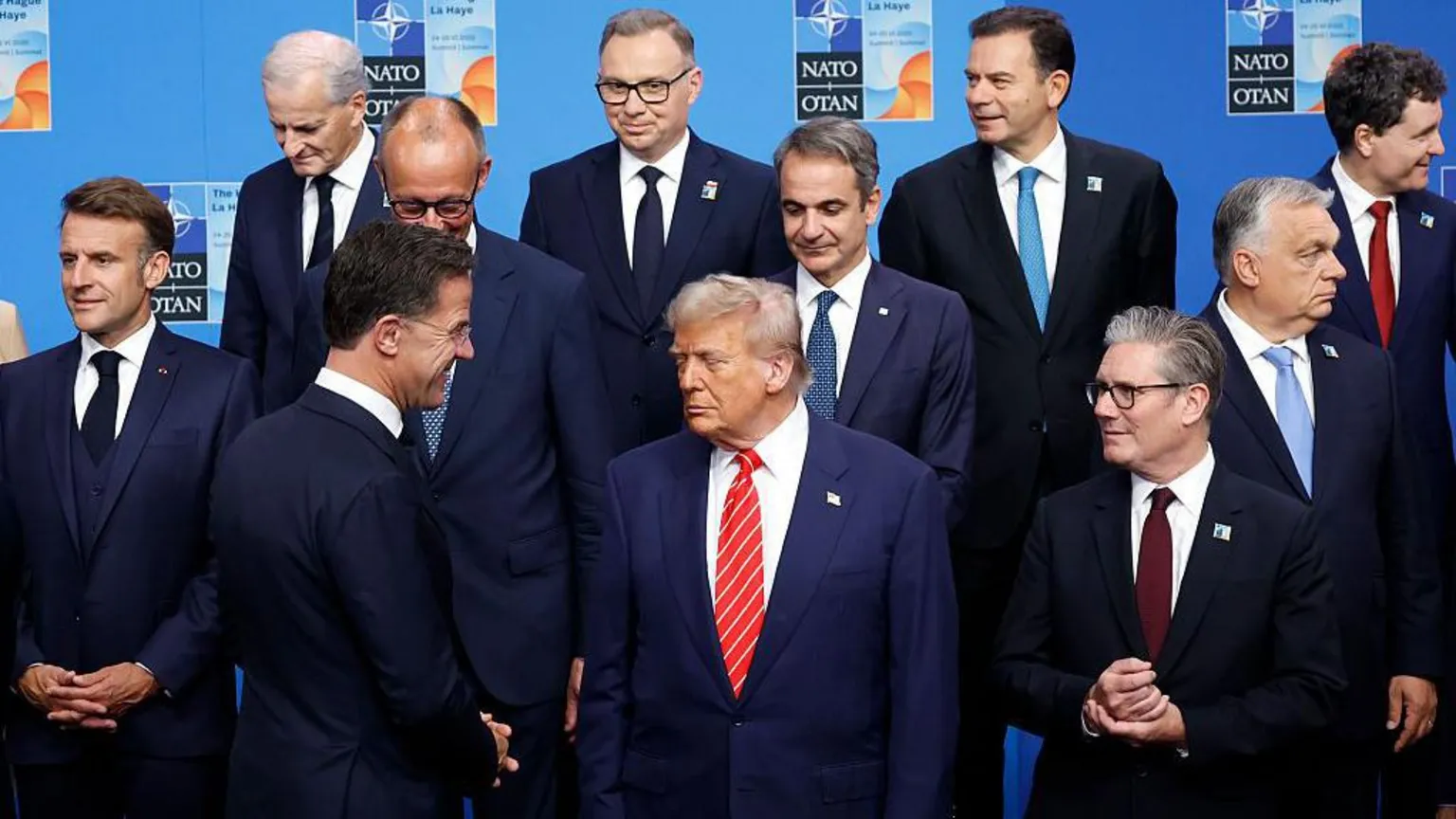
The irony is notable given Trump’s earlier aggressive stance on Greenland, a sovereign territory of Denmark, another NATO member. European reactions have been blunt: Germany’s government spokesperson emphasized that a war with Iran is not a NATO matter, while Defense Minister Boris Pistorius questioned the effectiveness of Europe’s relatively small naval forces in a conflict dominated by the powerful US Navy.
“What does Trump expect from a handful of European frigates that the powerful US navy cannot do? This is not our war. We have not started it,” Pistorius said emphatically.
Complex Challenges in the Strait of Hormuz
Despite political disagreements, the practical reality remains: Iran’s blockade of the Strait of Hormuz has thrown global energy markets into uncertainty. The Strait is a vital artery for the world’s oil supply, and Iran’s effective closure—allowing passage only for vessels carrying its oil to allies like India and China—has forced Western governments into urgent crisis management mode.
UK Prime Minister Sir Keir Starmer acknowledged ongoing discussions with the US, European, and Gulf partners to develop a “viable plan” to reopen this critical waterway, but stressed that no decisions have been made yet. Notably, the UK’s naval presence faces challenges: HMS Middleton, a mine countermeasures vessel, is currently undergoing maintenance, leaving no British mine-clearing ships in the region for the first time in decades.
Instead, the Royal Navy is deploying new autonomous mine-hunting drones designed to detect and neutralize underwater threats without risking human lives. However, former Royal Navy commander Tom Sharpe cautioned that these technologies have yet to be tested in combat conditions.
“We’re probably going to find out in the next few weeks whether or not it works,” Sharpe said.
General Carter pointed out that the last major Western naval mine-clearing operation occurred during the 1991 Gulf War, and lamented that navies—especially the US Navy—have underinvested in this critical capability since then. The US is retiring its specialized Avenger-class minesweepers in favor of more versatile littoral combat ships with unmanned mine-countermeasure systems, but the transition is still underway.
Beyond Mines: Iran’s Multi-Faceted Naval Threat
Complicating matters, Iran’s Revolutionary Guard commands a diverse arsenal capable of disrupting shipping through armed fast boats, naval suicide drones, and shore-based missile systems. Recent images released by Iran’s Fars News Agency depict large caches of boats and drones stored in underground tunnels, indicating Tehran’s long-term preparation for maritime confrontation.
Trump has openly suggested that keeping the Strait open might require strikes along Iran’s coastline to “knock out some bad actors,” and the US has already targeted Iranian mine-laying boats at port. However, many of Washington’s allies remain reluctant to escalate military actions or commit ground forces, wary of becoming entangled in a wider conflict.
Allies’ Reluctance and the Search for a Collective Response
European nations, in particular, have made it clear they do not view the Iran crisis as their war. Germany’s Boris Pistorius reiterated refusal to deploy German forces to secure the Strait, while EU foreign policy chief Kaja Kallas described efforts to extend naval missions in the Middle East as modest and politically sensitive.
The EU’s Operation Aspides, launched in 2024 to counter threats from Iranian-backed Houthi rebels in Yemen, currently involves just three warships and is insufficient for the scale of the Iran crisis.
Germany’s Foreign Minister Johann Wadephul emphasized the need to understand US and Israeli military timelines before committing to new security arrangements.
Among European leaders, France’s President Emmanuel Macron has shown the most enthusiasm for a coalition to escort merchant vessels and guarantee navigation freedom. Yet even Macron has tempered expectations, stating such efforts could only commence after the “hottest phase” of the conflict passes. France’s Defence Minister later confirmed no immediate plans to send ships into the Strait.
Tom Sharpe underscored the complexity of any escort operation, explaining that unlike the more limited air threat posed by the Houthis, Iran presents simultaneous threats from air, surface, and underwater domains. This multifaceted danger complicates defensive measures and requires advanced coordination.
Why the Iran Crisis Defies Quick Solutions
The hesitation among allies reflects a broader reality: the Iran crisis cannot be resolved overnight. The risks of escalation, the intricate nature of maritime security, and political divisions within NATO and the EU all slow the path to coordinated action.
Sir Keir Starmer highlighted the need for a legal and well-thought-out plan before deploying British forces, emphasizing that military personnel deserve clarity and protection before engagement. At present, such a plan remains elusive.
In the meantime, the world watches as the Strait of Hormuz remains a flashpoint, global oil markets jittery, and diplomatic efforts continue behind closed doors. The crisis demands a concerted international response that balances deterrence, diplomacy, and the maintenance of vital trade routes.
The takeaway: The Iran crisis exposes fractures within alliances once thought unbreakable and underscores that in today’s complex geopolitical landscape, military power alone cannot swiftly resolve conflicts. Navigating this crisis will require patience, cooperation, and strategic foresight from all involved parties.