

The UK government has implemented new steel tariffs as of today, aiming to protect domestic producers amid global market pressures. However, the steel industry has voiced sharp criticism, describing the measures as both insufficiently protective and excessively burdensome. Industry leaders warn these tariffs could escalate production costs and threaten jobs across the sector.
What the New Steel Tariffs Entail
The recently enacted tariffs target imported steel products entering the UK market, intending to shield local manufacturers from unfair competition and dumping practices. While the government promotes these tariffs as a necessary step to maintain the viability of British steelmakers, the industry response has been mixed.
On one hand, some argue the tariffs do not go far enough to deter cheap imports flooding the market. On the other hand, concerns have emerged that the tariffs impose additional costs on steel-consuming businesses and manufacturers who rely on imported steel as raw materials.
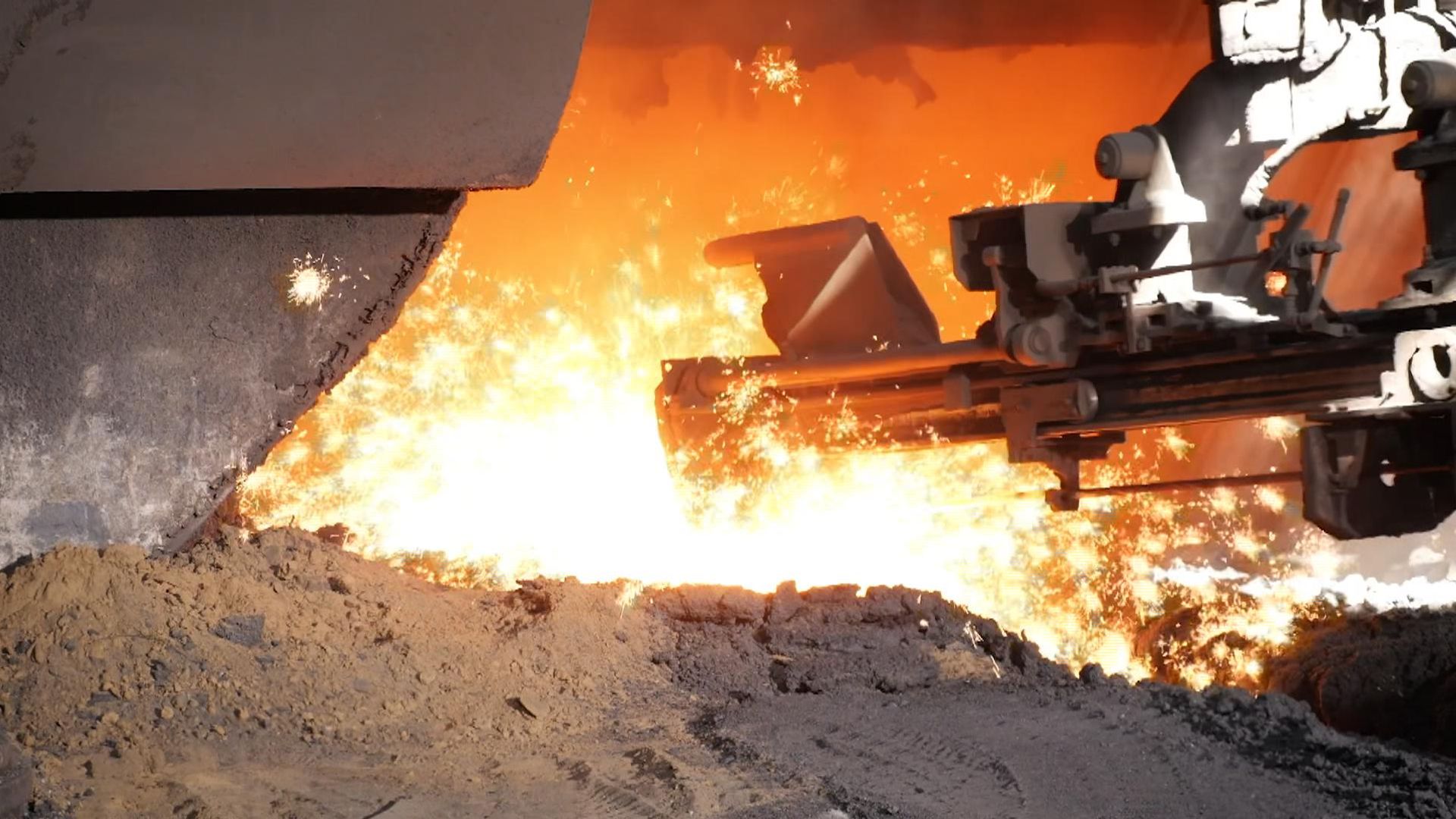
These tariffs introduce a complex balance: protecting domestic production versus maintaining competitive prices for downstream industries. The steel sector’s divided reaction reflects the challenge of crafting trade policies that simultaneously support producers and consumers.
Industry Reaction: Too Lenient or Too Restrictive?
Steel producers have voiced frustration that the tariffs lack sufficient scope and enforcement mechanisms to genuinely level the playing field against foreign competitors, particularly from countries accused of dumping steel below market value. Some industry representatives suggest that the tariffs may need to be more comprehensive and strictly monitored to prevent circumvention.
Conversely, manufacturers that use steel as an input in sectors such as construction, automotive, and machinery express worries over increased input costs. They fear the tariffs could inflate prices, squeezing profit margins and potentially leading to job losses as companies adjust to higher expenses.
Trade associations and unions have echoed these concerns, highlighting the risk of unintended economic consequences. They urge the government to carefully assess the tariffs’ impact across the supply chain and consider measures to support affected businesses.
Why These Tariffs Matter for the UK Economy
Steel remains a foundational industry in the UK, integral to infrastructure projects, manufacturing, and exports. The sector supports thousands of direct and indirect jobs and contributes significantly to regional economies, especially in areas with historical steelmaking roots.
Global steel markets are volatile, influenced by international trade disputes, fluctuating demand, and supply chain disruptions. By imposing tariffs, the UK government aims to stabilize its domestic steel industry, preserve jobs, and promote long-term industrial resilience.
However, balancing protectionism with open trade is complex. Excessive tariffs risk isolating UK steel from global markets or raising costs for downstream industries, while insufficient tariffs may fail to prevent market distortions harmful to domestic producers.
The steel industry’s divided stance reflects broader tensions in trade policy debates: how to support strategic industries without compromising competitiveness or triggering retaliatory measures. The government’s challenge will be navigating these competing interests while fostering sustainable growth.
Looking Ahead: What This Means for Steel and Beyond
As the new tariffs take effect, close monitoring will be essential to evaluate their real-world impact on steel production, pricing, and employment. Stakeholders across the supply chain will watch for signs of cost inflation, shifts in sourcing strategies, and potential ripple effects in related industries.
Policymakers must remain agile, ready to adjust tariff levels or introduce complementary support mechanisms if adverse effects materialize. Transparent dialogue between government, industry, and labor groups will be crucial to refining these trade measures and balancing economic objectives.
Ultimately, the UK steel tariffs represent a pivotal moment in the nation’s industrial policy amid a shifting global trade landscape. How effectively these tariffs protect domestic producers without stifling broader economic activity will shape the future of the UK’s steel sector and its role in the wider economy.
Full details on the tariffs’ implementation and their long-term effects will continue to unfold as the industry adapts to this new trade environment.