

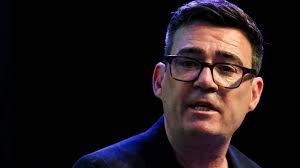
The political landscape in Britain has shifted dramatically this week, culminating in a striking victory for Andy Burnham in the Greater Manchester mayoral election. This decisive win not only cements Burnham’s strong regional influence but also raises pressing questions about the future of Keir Starmer‘s leadership of the Labour Party. As the weekend unfolds, political analysts and party members alike are grappling with the implications of this landmark result.
Burnham’s Resounding Victory: A New Power Dynamic
Andy Burnham secured a significant majority in Greater Manchester, reaffirming his status as one of Labour’s most popular and effective regional figures. His campaign capitalized on local issues and resonated deeply with voters, especially amid widespread dissatisfaction with the national government. Burnham’s ability to galvanize support contrasts starkly with the challenges facing the Labour Party at the national level.
Burnham’s role as Mayor extends beyond traditional local governance; he has become a vocal critic of central government policies, particularly on health and social care. His assertive stance has earned him a reputation as a defender of northern interests, positioning him as a potential key player in Labour’s future direction. This victory not only strengthens his mandate but also underscores a broader regional pushback against Westminster’s authority.
Starmer’s Leadership Under Scrutiny
Keir Starmer, who took over the Labour leadership aiming to revitalize the party, now faces intensified pressure following Burnham’s triumph. While Burnham’s victory showcases Labour’s enduring strength in certain heartlands, it simultaneously exposes the party’s struggles to connect with voters on a national scale. Starmer’s ability to unify the party and present a compelling alternative to the ruling Conservatives remains in question.
Critics argue that Starmer’s leadership has lacked a clear, inspiring vision capable of mobilizing the wider electorate. The Greater Manchester result is seen by some as a referendum on his leadership style and strategy. With Burnham’s rising profile, Starmer must reckon with internal party dynamics and potential challenges to his authority.
Moreover, Labour’s performance in other recent elections and opinion polls has been uneven, further fueling debates about Starmer’s viability as leader. The party’s struggle to regain trust among traditional Labour voters and appeal to new demographics adds layers of complexity to his position.
What This Means for Labour and British Politics
Burnham’s commanding win signals a possible shift in the balance of power within Labour, emphasizing the importance of regional leaders who can connect authentically with their constituencies. It highlights the ongoing tension between national party leadership and influential local figures. This dynamic could shape Labour’s strategy leading into the next general election.
The result also underscores the broader challenges facing the Labour Party in addressing diverse voter concerns across different regions. While Burnham’s approach has found success by focusing on tangible local issues and standing firm against austerity measures, the party nationally must develop a cohesive message that resonates beyond strongholds like Greater Manchester.
For Starmer, the coming months will be critical. He needs to demonstrate adaptability and decisiveness to consolidate his leadership and build momentum. Engaging with regional leaders like Burnham constructively could either bolster party unity or expose fractures that opponents might exploit.
In the wider context, Burnham’s victory reflects a growing appetite among voters for leadership that is grounded in local realities and responsive to immediate community needs. This could foreshadow a political landscape where regional voices wield greater influence over national policy debates.
Looking Ahead: Can Starmer Steer Labour to Revival?
As the dust settles on this pivotal week, Labour stands at a crossroads. Andy Burnham’s impressive win injects fresh energy into the party’s regional base but simultaneously casts a spotlight on the challenges Keir Starmer faces in uniting Labour under a compelling national vision.
Starmer’s survival as leader depends on his ability to harness the momentum generated by figures like Burnham while addressing criticisms about his leadership style and policy clarity. Labour’s future hinges on reconciling regional strength with national appeal—a delicate balance that will define the party’s trajectory in the coming years.
Ultimately, Burnham’s triumph is more than a local electoral success; it is a wake-up call and an opportunity for Labour. The party must evolve, embracing the diverse voices within its ranks to craft a winning strategy that resonates across Britain’s complex political landscape.