

As global politics shift and economic priorities evolve, the role of the annual United Nations climate talks, known as COP, faces increasing scrutiny. With rising geopolitical tensions and urgent national concerns like economic security and job preservation taking center stage, many are questioning whether these international gatherings still serve their original purpose of driving meaningful climate action.

The Changing Role of COP in Global Climate Action
The annual COP conferences were originally designed as a platform for countries to come together, commit to emissions reductions, and coordinate efforts to limit global warming. However, this mission is complicated by current geopolitical realities. Joss Garman, a climate policy expert, explains that restricting access to crucial markets—such as those involving China—can slow the pace of emissions reductions. Yet he warns that ignoring broader concerns around economic and national security risks alienating public and political support, which could ultimately undermine the entire climate effort.

In this context, Anna Aberg, an environmental policy specialist, suggests that COP’s evolving role might be less about negotiating new commitments and more about “holding countries and organisations accountable” to their existing promises. This accountability function, Aberg argues, remains a vital aspect of the forum’s relevance in an era where global consensus on climate action is increasingly fragile.
Confronting Harsh Realities: The 1.5°C Limit and Global Emissions
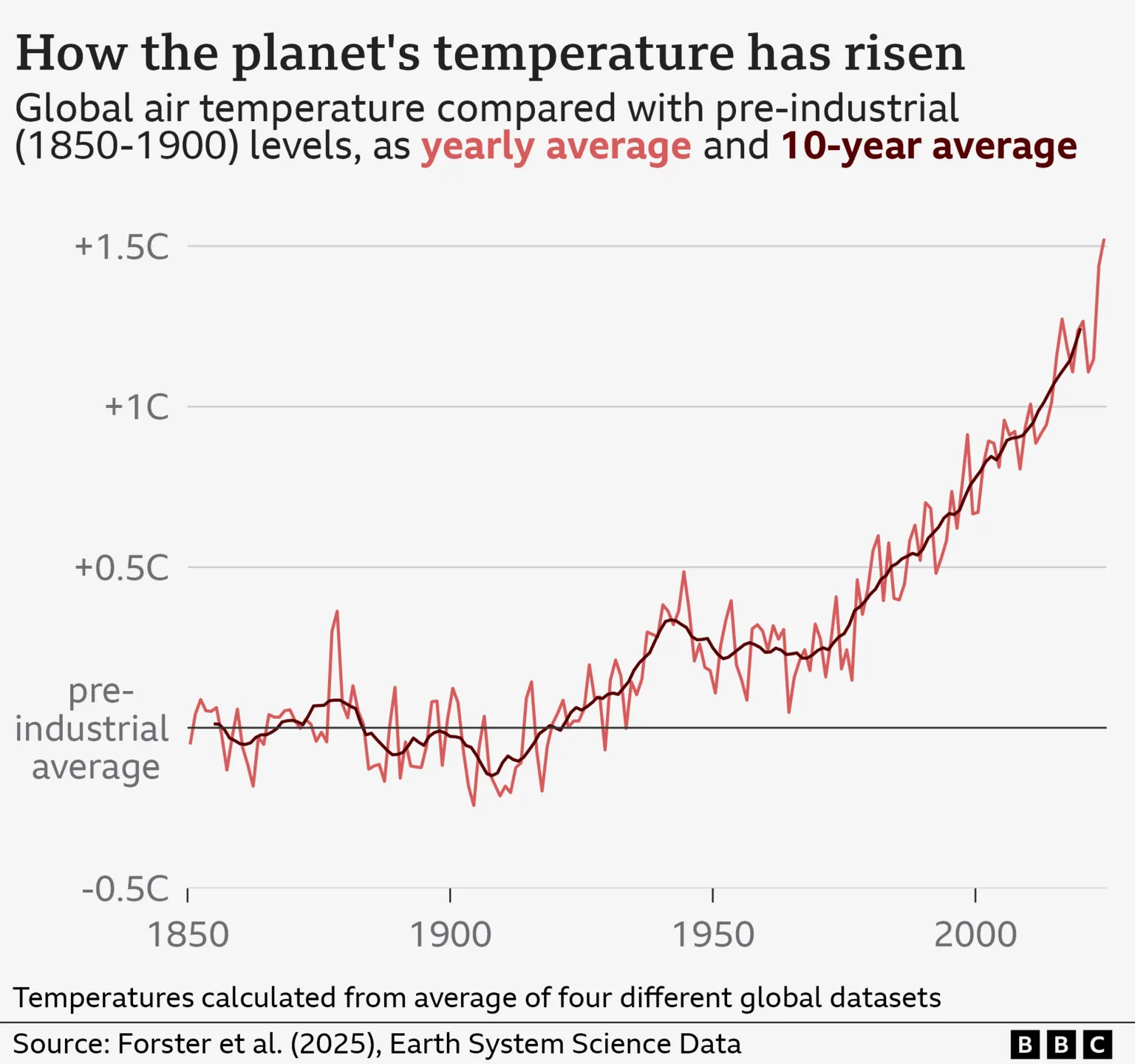
The latest COP meeting in Brazil takes place against a stark backdrop. UN Secretary-General António Guterres has openly acknowledged that the critical 1.5°C temperature rise target established in the 2015 Paris Agreement is now on track to be exceeded. He labeled this trajectory as “deadly negligence” by the international community, emphasizing the urgent need for intensified climate action.

Scientific warnings have become more dire. Last year was officially the hottest on record, a grim milestone in the planet’s warming trend. In June, a consortium of 60 leading climate scientists declared that the Earth could surpass the 1.5°C threshold in as little as three years if carbon dioxide emissions continue unabated. Such projections inject a grave urgency into the climate debate but also raise questions about the effectiveness of annual summits in catalyzing real-world change.

Debating the Frequency and Impact of COP Meetings
Voices within the climate and energy sectors are increasingly skeptical about the value of yearly COP gatherings. Michael Liebreich, founder of Bloomberg New Energy Finance and host of the “Cleaning Up” energy podcast, argues that holding a major COP conference every year may no longer be practical or productive. He proposes a model where a significant summit occurs every five years, allowing time for industries and governments to implement policies and for tangible progress to materialize.

Liebreich points out that politicians cannot be expected to endlessly announce new commitments without allowing the “real economy” to catch up with those promises. This perspective highlights a growing recognition that climate diplomacy must be balanced with realistic implementation timelines and economic considerations.
Why the Debate Matters
As climate change accelerates and global warming threatens ecosystems, economies, and communities worldwide, the effectiveness of international climate governance is critical. The COP process remains one of the few global mechanisms capable of fostering dialogue, transparency, and collective accountability. However, to maintain its relevance, COP must adapt to the geopolitical and economic complexities of today’s world.
Striking a balance between ambition and pragmatism could ensure that the COP conferences not only inspire commitments but drive measurable results. This means integrating climate goals with national interests such as job security and economic resilience, thereby securing broader political and public support.

Looking Ahead: The Future of Global Climate Diplomacy
The path forward for COP and international climate negotiations is far from straightforward. The escalating climate crisis demands urgent action, yet political realities and economic pressures impose constraints on what can be achieved through annual summits. Strengthening the accountability mechanisms and allowing longer intervals for policy implementation may revitalize the process.
Ultimately, the success of global climate talks hinges on their ability to evolve and respond to the complex interplay of environmental urgency and geopolitical strategy. By fostering genuine accountability and aligning climate ambitions with economic realities, COP can remain a critical forum in the fight against climate change.
As the world continues to grapple with rising temperatures and shifting priorities, the question is not just whether COP still has a point, but how it can transform to become the effective catalyst the planet urgently needs.