The first Monday after the holiday season marks a significant emotional low point, with a surge in negative online expressions and personal crises more pronounced than any other day of the year.
What is Blue Monday and Why Does It Matter?
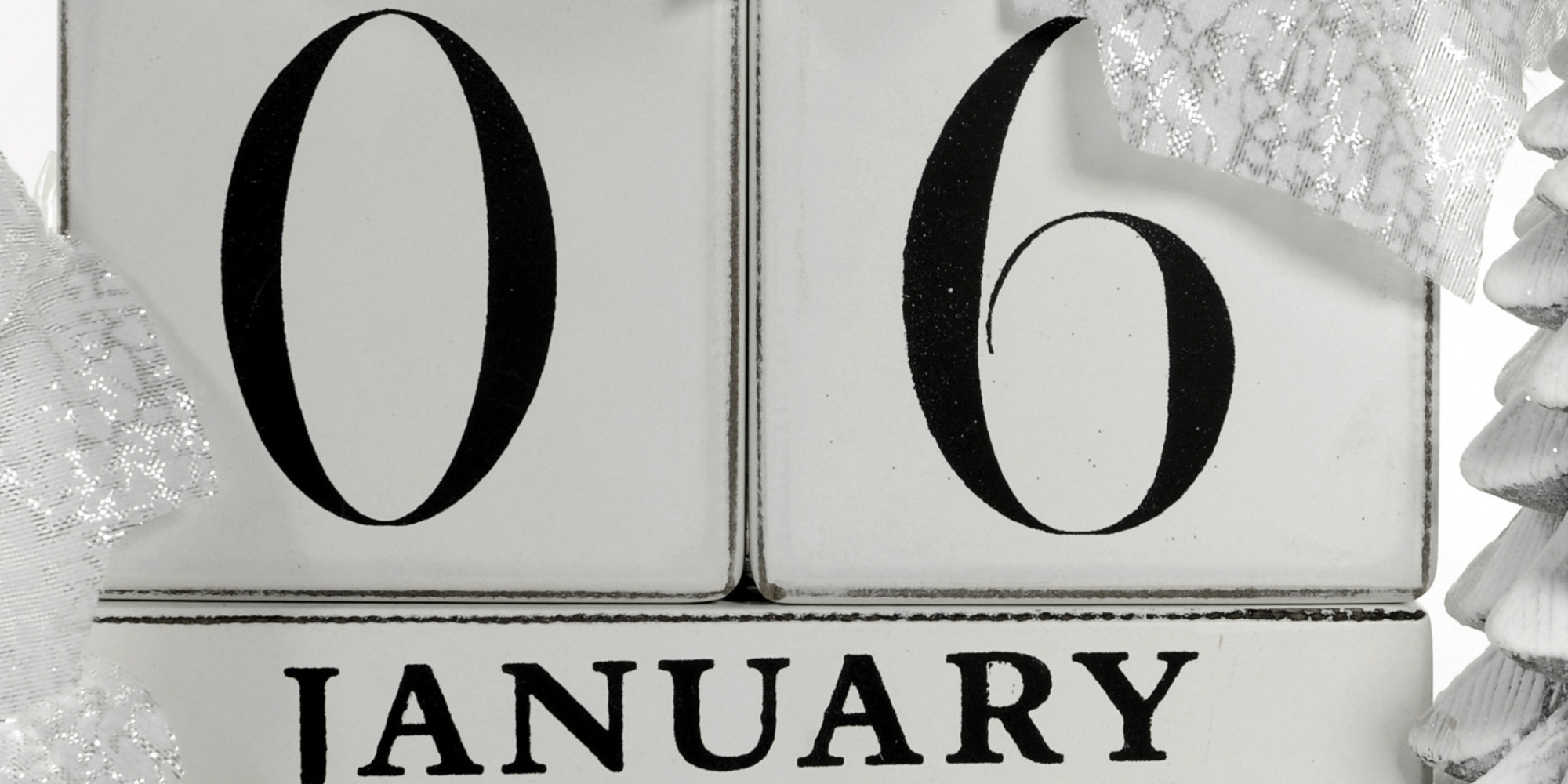
Every year, as the festive cheer fades and the reality of daily responsibilities returns, the first Monday in January emerges as what many call “Blue Monday.” This day has gained notoriety as the most depressing day of the year. Unlike Black Friday, which is known for its shopping frenzy and bargain-hunting excitement, Blue Monday symbolizes a collective dip in mood and motivation. It encapsulates the psychological struggle people face as they transition from holiday relaxation back to work and routine.
Researchers analyzing digital behavior have confirmed this phenomenon through a detailed examination of social media activity. Over a span of three years, more than two million tweets were scrutinized to uncover patterns in public sentiment. The data reveals a remarkable spike in negative emotions expressed online on this specific Monday compared to other days.
In fact, tweets containing keywords related to guilt appeared nearly five times more frequently than usual. This surge reflects how many people experience remorse or frustration as they realize their New Year’s resolutions are slipping away. The excitement and optimism that often accompany the start of a new year give way to feelings of disappointment and self-criticism as the routine grind resumes.
Adding to this emotional burden, complaints about the bleak January weather also skyrocket. A drinks company that commissioned the research noted that tweets referencing gloomy, cold, and dark weather conditions were six times more common than average. The combination of winter’s physical harshness and the mental toll of returning to work creates a perfect storm of low spirits.
__IMAGE_PLACEHOLDER_1__
Blue Monday’s Impact on Personal Relationships
The emotional slump on Blue Monday extends beyond social media posts, permeating personal lives and relationships. According to DivorceDepot.co.uk, this day triggers more divorce proceedings than any other time of year. The stress accumulated over the holiday season, compounded by the return to everyday pressures, often ignites conflicts between couples.
During the festive period, approximately 1.8 million couples are reported to have experienced arguments. These disputes frequently revolve around sensitive subjects such as finances, which can become strained due to holiday spending, excessive drinking, disagreements with in-laws, and household chores. The intensity of these conflicts often crystallizes on Blue Monday when couples face the reality of their situations after the holiday distractions dissipate.
Moreover, the post-holiday period sees a notable increase in activity on extra-marital dating platforms. One such site, IllicitEncounters.com, reports a 25 percent surge in user engagement after the festive break. This trend suggests that some individuals begin to reassess their relationships with renewed scrutiny, sometimes leading to the pursuit of relationships outside their primary partnerships.
__IMAGE_PLACEHOLDER_2__
Why Some Days Are Happier and What This Reveals
While Blue Monday highlights a peak in collective unhappiness, studies also identify days when people generally experience the highest levels of happiness. Christmas Eve and Christmas Day top this list, closely followed by New Year’s Day, Valentine’s Day, and the first sunny weekend of the year. These dates share common themes of celebration, connection, and renewal, which contribute positively to emotional well-being.
The contrast between these joyful days and Blue Monday underscores how environmental factors, social rituals, and psychological expectations influence mood. Holiday periods offer time for relaxation, meaningful interactions, and a break from routine, all of which boost happiness. Conversely, the return to work and the resumption of daily obligations tend to diminish emotional resilience.
Understanding this cyclical pattern is crucial for individuals and organizations aiming to support mental health. Awareness of Blue Monday’s challenges can encourage proactive measures, such as promoting workplace well-being initiatives, encouraging flexible schedules, or simply fostering open conversations about the difficulties many face at this time of year.
__IMAGE_PLACEHOLDER_3__
Looking Ahead: Navigating Blue Monday and Beyond
Blue Monday serves as a reminder of the emotional toll the post-holiday transition can take on many people. Recognizing the factors that contribute to this downturn, from unmet resolutions and gloomy weather to strained relationships, can help individuals prepare and respond more effectively.
Simple strategies like setting realistic goals, maintaining social connections, and seeking support when needed can mitigate the effects of this challenging day. For couples, addressing conflicts early and communicating openly about holiday stressors may prevent the escalation that leads to separation or divorce proceedings.
Ultimately, while Blue Monday highlights a collective dip in mood, it also opens the door to reflection and renewal. By acknowledging its impact and adopting supportive habits, people can move through this period with greater resilience and look forward to the uplifting days that follow in the calendar year.