

Brighton and Hove Albion have unveiled groundbreaking plans to construct the first-ever purpose-built stadium dedicated exclusively to women’s football in Europe. This bold initiative marks a significant milestone for the sport, highlighting growing investment and recognition of the women’s game at the highest professional level.
Transforming Women’s Football Infrastructure
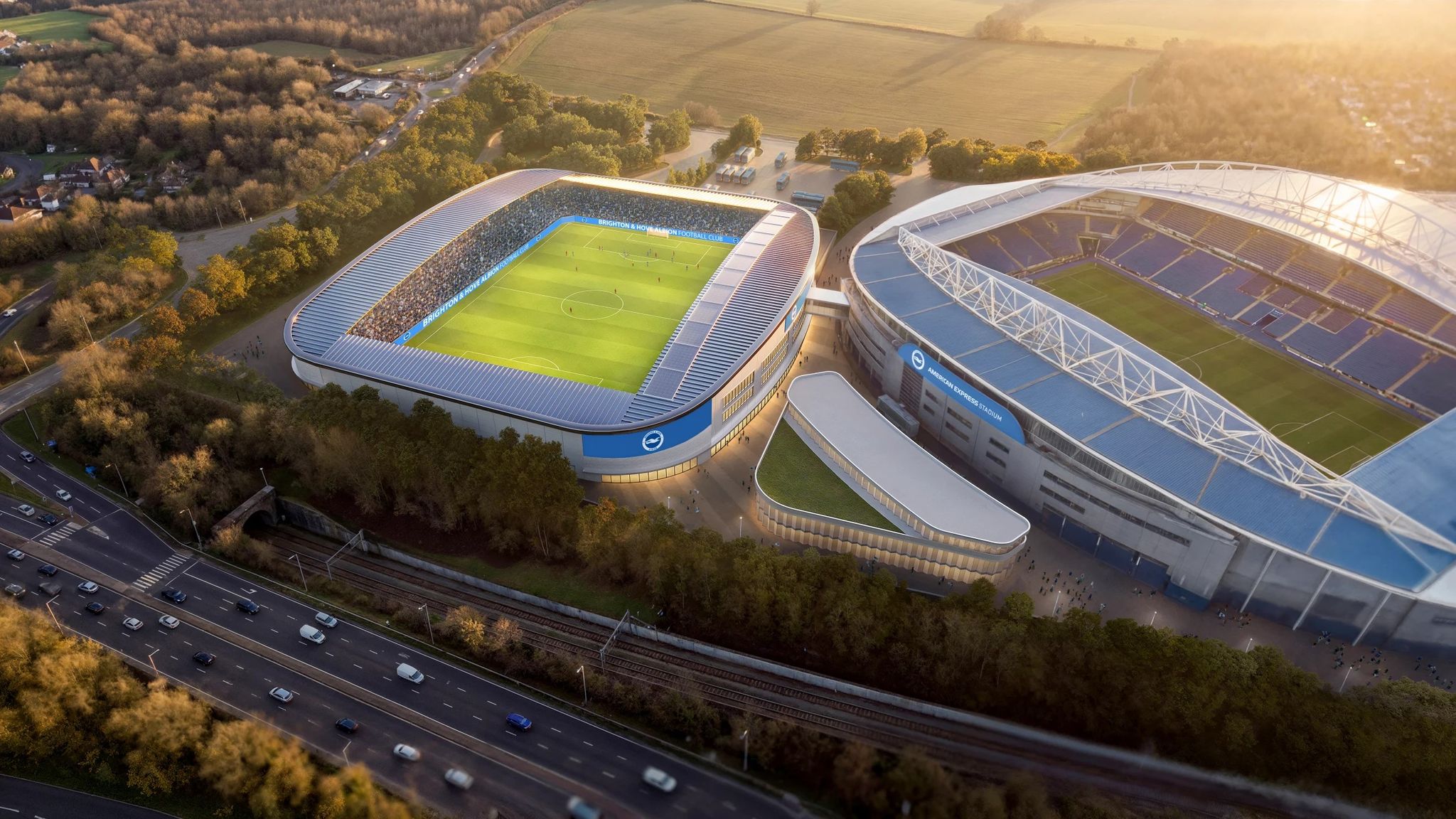
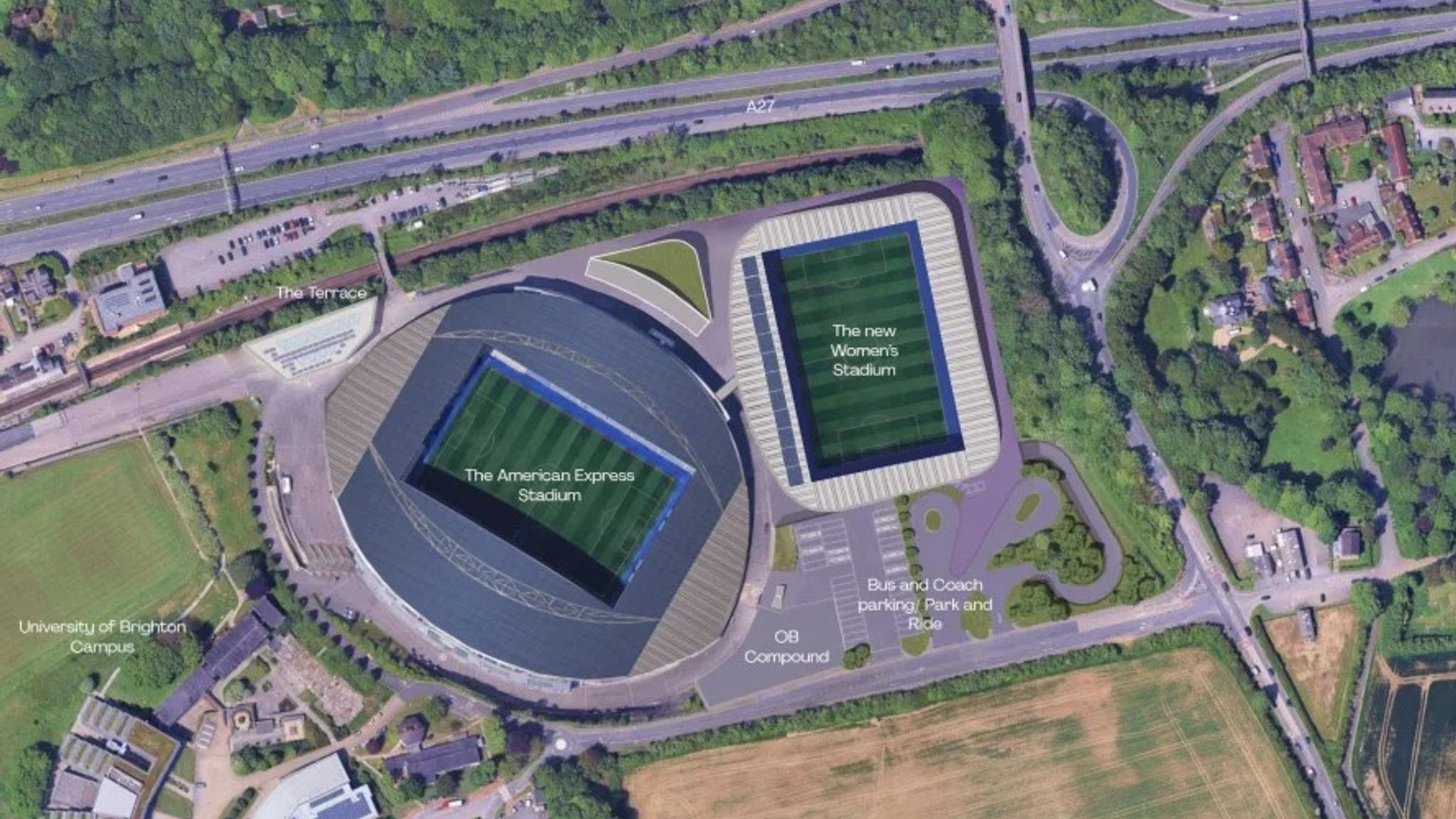
The new stadium will be located at Bennett’s Field, directly adjacent to the club’s existing Amex Stadium, home to the men’s team. Currently, Brighton’s women’s team competes at Broadfield Stadium in Crawley, a shared ground also used by men’s League Two side Crawley Town FC. The move to a dedicated facility represents a major step forward in providing tailored support and facilities exclusively for women’s football.
The stadium plans feature a minimum seating capacity of 10,000, designed to create an intimate yet vibrant atmosphere for fans. Additional amenities include underground parking and a pedestrian bridge connecting it seamlessly to the Amex Stadium, enhancing accessibility for supporters and players alike.
Crucially, every element of the stadium’s design focuses on the unique needs of female athletes. The club emphasizes that the venue will prioritize high-quality pitch standards and elite performance environments—ranging from advanced changing rooms to specialized recovery spaces. This bespoke approach aims to elevate the professional experience for players, supporting their development and wellbeing.

Why This Stadium Matters
The club’s ambition is for the stadium to open no later than the 2030/31 season, pending planning approvals. This timeline reflects a strategic vision to align facilities with the club’s competitive goals and growing fanbase.
Fran Kirby, Brighton’s forward and a leading figure in women’s football, expressed her enthusiasm in an interview with Sky Sports News. Kirby described the prospect of a stadium designed specifically for women as “incredible” and “definitely an attraction for players.” Her remarks underscore how such investment can raise the club’s profile and help secure top talent as Brighton aims to qualify for European competition.
Zoe Johnson, the club’s Managing Director for the women’s team, highlighted the rarity of such a project, noting it would be “one of only three in the world” dedicated solely to women’s football. Johnson explained that the stadium would not only support the first team but also provide a professional environment for academy and development squads, giving younger players invaluable experience early in their careers.
Building a Legacy for the Women’s Game
Tony Bloom, chairman of Brighton and Hove Albion, emphasized that a women’s stadium is “essential to the continued growth of the team.” Bloom pointed out that the new facility would strengthen the club’s ability to attract elite talent while nurturing young prospects. It is also expected to expand the fanbase and foster a genuine sense of community and belonging around the women’s game.
The stadium represents more than just a venue—it is a powerful statement about the future of women’s football in England and across Europe. By prioritizing infrastructure that meets the specific needs of female athletes, Brighton sets a precedent for other clubs to follow, accelerating the professionalization and visibility of the women’s sport.
What This Means for Women’s Football
Brighton and Hove Albion’s pioneering project addresses a long-standing gap in football infrastructure. Despite the rapid growth of the Women’s Super League (WSL) and increased media coverage, few clubs have facilities designed exclusively to support elite female players.
By investing in a stadium tailored to women’s football, Brighton not only enhances the player experience but also signals to sponsors, broadcasters, and fans that the women’s game deserves equal attention and resources. This can help drive higher attendance, better player retention, and stronger community engagement.
Moreover, the stadium’s focus on academy and development fixtures promises to create a sustainable pipeline of talent, ensuring that future generations of female players benefit from professional environments from the outset.
As Brighton sits sixth in the WSL and continues to push for European qualification, having their own dedicated stadium could prove a decisive advantage both on and off the pitch.
Looking Ahead
The realization of Europe’s first purpose-built women’s football stadium will mark a transformative moment for Brighton and the wider football community. It showcases a commitment to equality and excellence, setting new standards for how women’s sport is supported and celebrated.
While full details about the project timeline and funding remain pending final approvals, the announcement alone reflects a growing momentum behind women’s football infrastructure. Brighton’s vision may inspire other clubs to invest similarly, fueling the continued evolution of the women’s game at every level.