

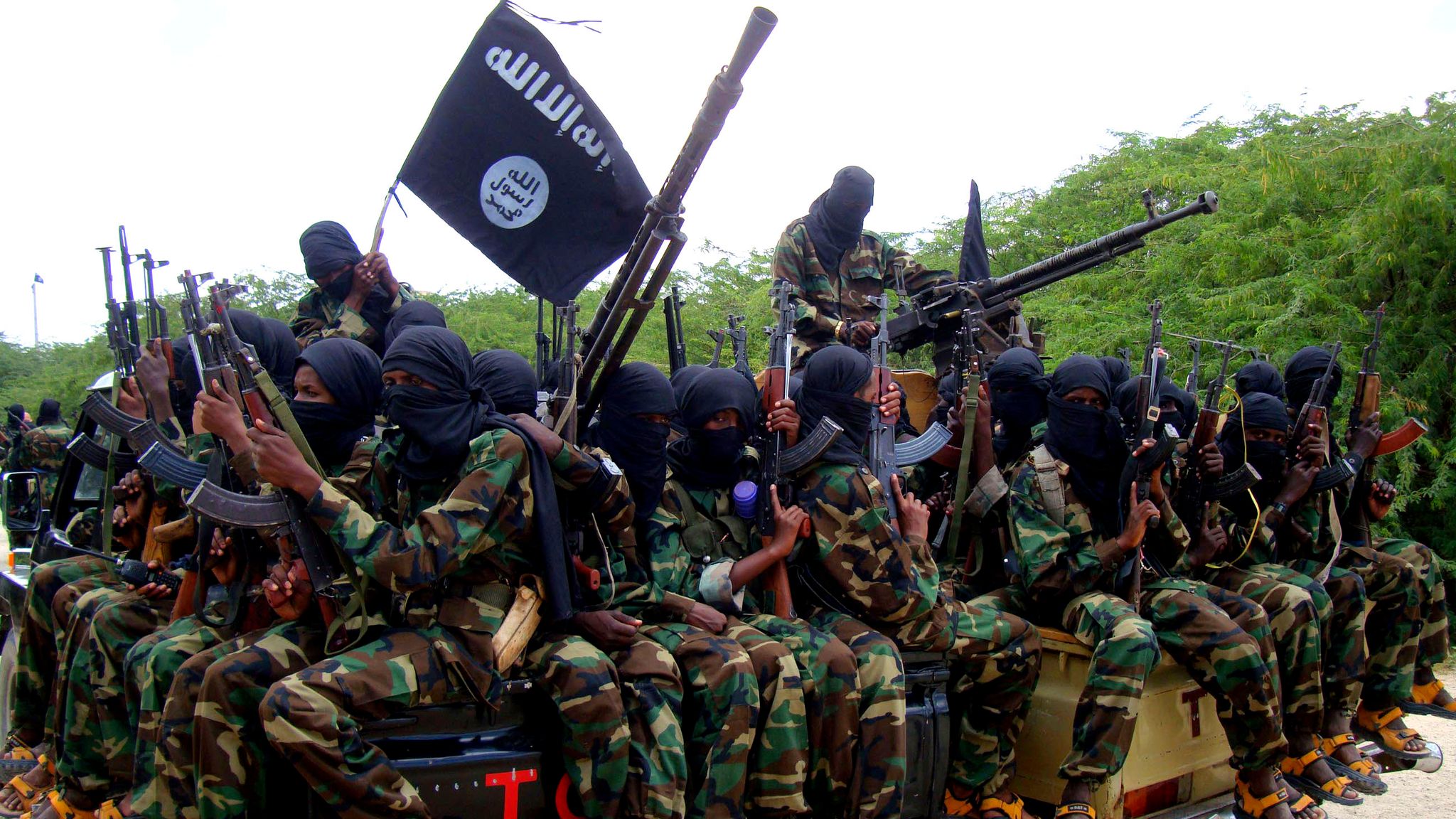
A British national has been formally charged with commanding fighters for the Somalia-based Islamist militant group Al Shabaab, marking a rare prosecution of alleged foreign terrorist activity linked to East Africa. Jermaine Grant, 43, faces a series of serious terrorism-related allegations stemming from his involvement with the group during 2008 and 2009.
The Charges Against Jermaine Grant
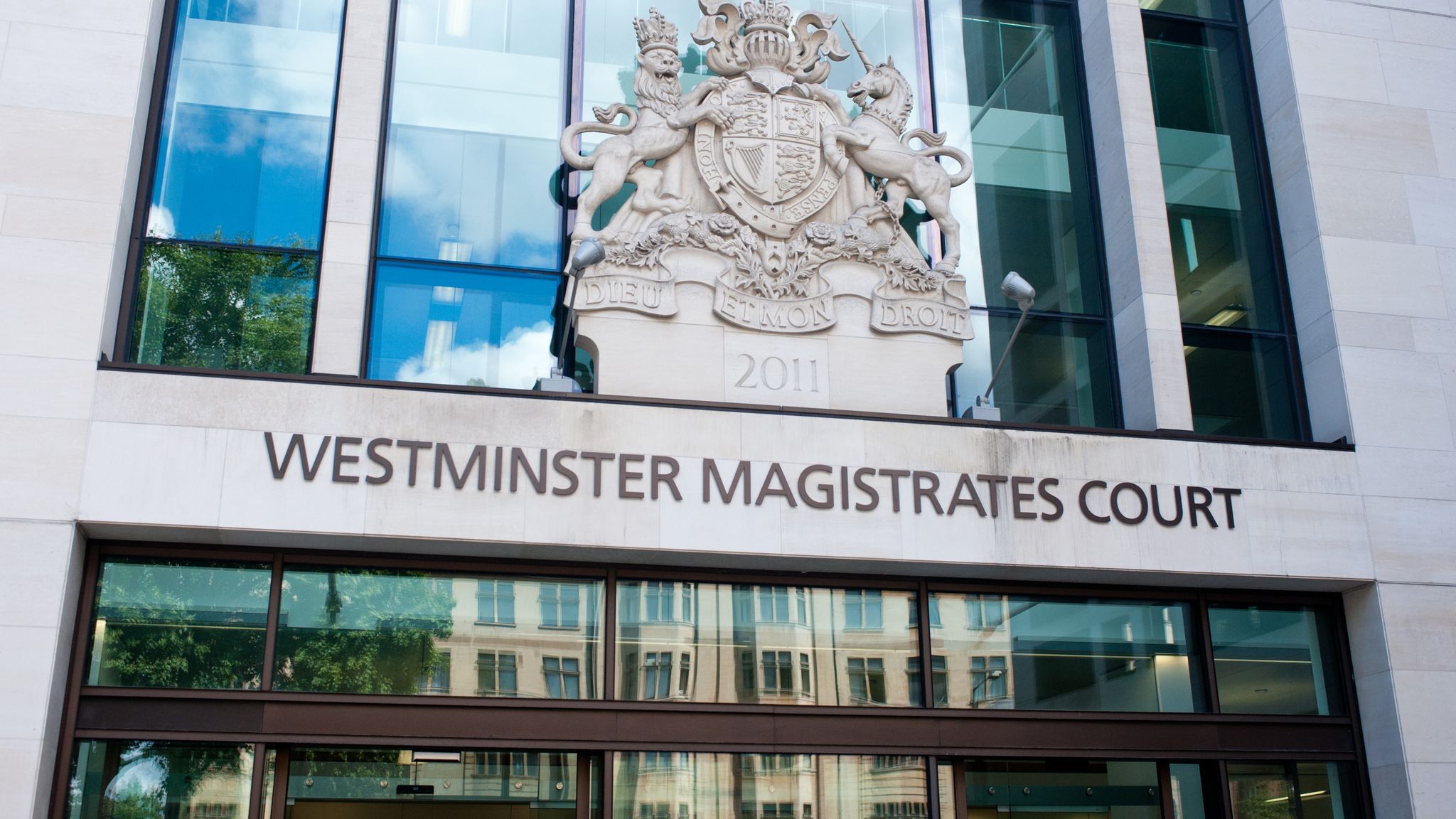
Grant appeared at Westminster Magistrates’ Court wearing a yellow and green jumpsuit, accompanied by police officers. He confirmed his identity but was not asked to enter pleas on the six charges he faces. These include directing the activities of Al Shabaab as a platoon leader, attending multiple commando training camps in the southern Somali port city of Kismayu, and possessing an AK47 assault rifle during armed conflicts.
Prosecutors allege that Grant traveled to Somalia where he underwent paramilitary training, actively participated in battles, and discharged firearms as part of Al Shabaab’s armed operations. According to prosecutor Carl Kelvin, the London-born defendant “trained as a commando, became a platoon leader, took part in a number of battles, and took full part in fighting.”
The charges cover offences committed between December 31, 2007, and January 1, 2010. Before the case can formally proceed, consent from the Attorney General is required, and prosecutors have submitted an application to Lord Hermer in this regard.
Background on Al Shabaab and the Investigation
Al Shabaab is a Somalia-based Islamist terror group affiliated with al Qaeda, known for its violent insurgency against the Somali government and international actors. The group has orchestrated numerous deadly attacks both within Somalia and across East Africa.
Notorious for high-profile assaults, Al Shabaab has targeted civilians, government officials, aid workers, journalists, and foreign nationals. Among its most infamous attacks are the 2013 massacre at Nairobi’s Westgate Shopping Mall, which killed 67 people; the 2015 Garissa University shooting in Kenya that claimed 147 lives; and the 2019 attack on Nairobi’s DusitD2 hotel complex resulting in 21 deaths.
A 2025 UK Government assessment categorizes Al Shabaab as a “persistent threat” in Somalia’s capital, Mogadishu. The group continues to execute attacks that undermine government authority, destabilizing the region and threatening international security interests.
Legal Proceedings and Significance
District Judge Nina Tempia remanded Grant in custody, scheduling his next court appearance for April 16. His defense counsel made no bail application. The prosecution maintains that the evidence justifies moving forward with the case in the public interest.
Frank Ferguson, head of the Crown Prosecution Service’s special crime and counter-terrorism division, emphasized the gravity of the allegations. “Our prosecutors have worked to establish that there is sufficient evidence to bring this case to court and that it is in the public interest to pursue criminal proceedings,” he said.
Counter Terrorism Policing London, led by acting commander Kris Wright, highlighted the determination to hold individuals accountable for terrorist activities regardless of when or where they occurred. “These are serious charges and come as the result of a long-running investigation,” Wright stated. “This case shows we will always pursue anyone suspected of being involved in terrorist activity, no matter where in the world or how long ago it is alleged to have taken place.”
What This Means for Counterterrorism Efforts
Grant’s prosecution signals a concerted effort by UK authorities to tackle terrorism beyond national borders, particularly in volatile regions like Somalia where groups such as Al Shabaab operate with impunity. It underscores the challenges Western nations face in addressing foreign fighters who join extremist organizations overseas and later return or are apprehended.
This case also serves as a reminder of Al Shabaab’s ongoing threat to regional stability and global security. Continued vigilance, intelligence-sharing, and international cooperation remain critical to countering such groups.
As the legal process unfolds, it will shed light on the complexities of prosecuting terrorism cases linked to foreign conflict zones and the broader fight against Islamist militancy.