British soldiers involved in a future multinational peacekeeping operation in Ukraine will have the explicit authority to engage Russian forces with lethal force if attacked, according to senior Western officials. This decision marks a significant shift in operational rules of engagement amid ongoing tensions and conflict in the region.
What the Authorization Means for British Forces
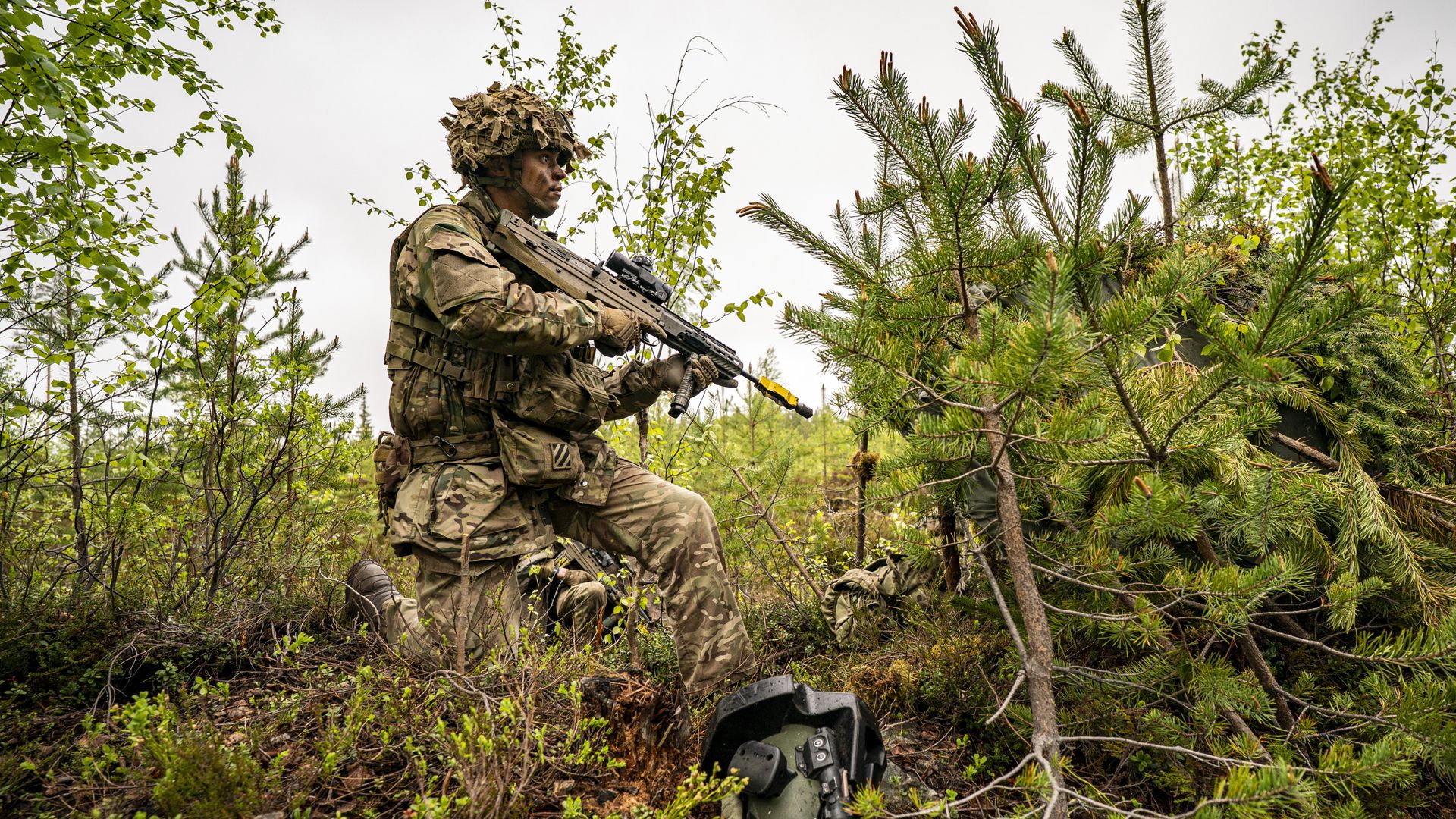
For the first time, British troops deployed as part of a coalition tasked with securing peace in Ukraine will not be limited to defensive postures alone. Instead, they will be empowered to respond with force directly against Russian military personnel if provoked or assaulted. This robust mandate aims to deter aggression and signal a firm commitment to safeguarding the peace mission.
The authorization underscores the seriousness with which Western allies view the volatile situation on the ground. It also acknowledges the risk British soldiers face operating near or within contested zones where Russian forces remain active. By granting permission to fire back, commanders intend to provide troops with the necessary tools to protect themselves and uphold the mission’s integrity.
Context Behind the Peacekeeping Mission
The multinational peacekeeping force is envisioned as a key component of securing any future ceasefire or long-term resolution to the conflict in Ukraine. Since Russia’s invasion in early 2022, the region has experienced persistent violence and instability, complicating diplomatic efforts to restore peace.
Western countries, including the United Kingdom, have sought ways to support Ukraine beyond supplying weapons and economic aid. Deploying a peacekeeping contingent aims to stabilize contested areas, monitor ceasefires, and deter further escalations. However, the presence of Russian troops and pro-Russian separatists in the region poses ongoing challenges.
Granting British forces the right to return fire reflects a pragmatic approach to these realities. It recognizes that peacekeepers will likely encounter hostile actions and must be prepared to respond decisively to ensure their safety and mission success.
Why This Development Matters
This authorization sends a strong political message to Moscow and the international community. It emphasizes the West’s resolve to back peace efforts with credible military deterrence. British involvement with such rules of engagement signals a willingness to take a more direct role in managing the conflict’s aftermath.
Moreover, this move could influence the operational planning of other coalition members. If British troops can engage offensively when attacked, it may lead to similar mandates for allied forces, potentially altering the dynamics of any peace enforcement operation.
For the soldiers on the ground, the decision carries profound implications. It affects their training, rules of engagement briefings, and overall mindset in the field. Being authorized to use lethal force in self-defense removes ambiguity and allows for quicker, more confident responses if confronted by hostile Russian units.
What Comes Next for the Peace Mission
Details about the exact composition, timeline, and deployment of the multinational peacekeeping force remain under discussion among Western governments and NATO allies. The mission’s success will depend on clear mandates, robust rules of engagement like this one, and strong international cooperation.
British troops will likely undergo specialized preparation to operate effectively in such a high-risk environment. Coordination with Ukrainian forces and other coalition partners will also be critical to maintaining situational awareness and preventing misunderstandings that could escalate tensions.
As diplomatic efforts continue alongside military planning, this development illustrates the complexity and gravity of securing peace in Ukraine. Authorizing British troops to return fire if attacked is a clear indication that peacekeepers will not be passive observers but active guarantors of stability.
Looking Ahead: The Bigger Picture
The move to empower British forces to respond with force if attacked highlights the shifting nature of international involvement in Ukraine’s conflict. It reflects a blend of diplomatic intent with military pragmatism, acknowledging that maintaining peace may require readiness for combat.
For the UK and its allies, this approach aims to balance deterrence with responsibility, ensuring that peacekeepers can protect themselves while working toward a lasting resolution. As the situation evolves, the effectiveness of this policy will become clearer, potentially serving as a model for future multinational peace operations in similarly contested zones.
In sum, allowing British troops to fire back at Russian forces if attacked reinforces the seriousness of the multinational mission’s mandate and the commitment to securing peace in a volatile and dangerous environment.