Greenpeace has taken bold action in the North Sea by deploying a barrier of large boulders underwater to halt destructive fishing practices jeopardizing a vital marine sanctuary for porpoises. This innovative intervention targets the protection of these small, elusive cetaceans, which have been increasingly threatened by human activities in one of Europe’s most heavily fished waters.
Creating a Physical Shield Against Harmful Fishing
Bottom trawling, a technique involving dragging heavy nets along the ocean floor, destroys not only the habitat but also increases the risk of bycatch—accidental capture of non-target species such as porpoises. By installing this barrier, Greenpeace hopes to enforce the existing protections more effectively, as regulatory measures alone have struggled to curb illegal or harmful fishing activities in this region.
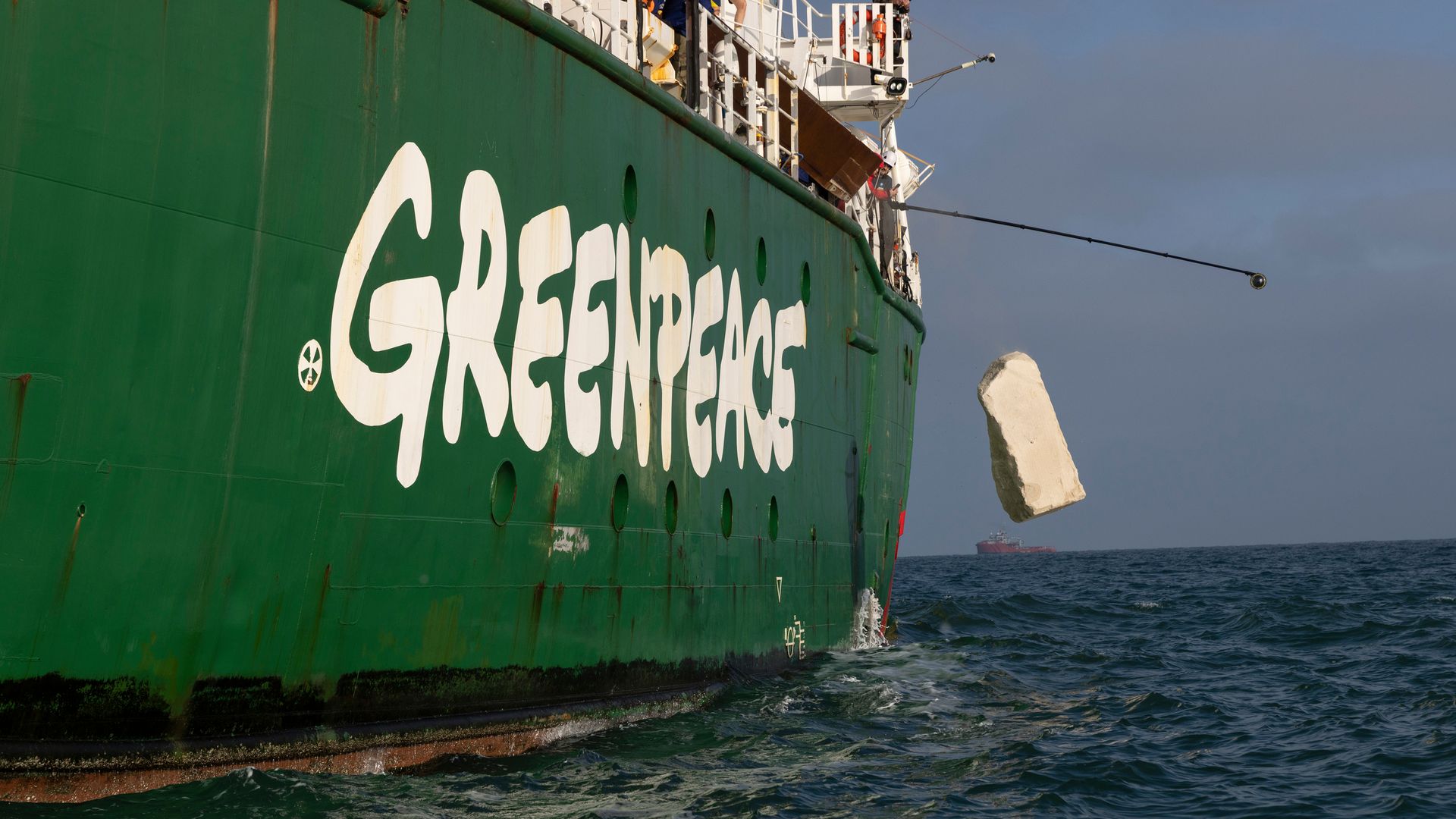
The North Sea is home to a small but significant population of harbor porpoises, which rely on relatively undisturbed waters to feed, breed, and raise their young. Their numbers have been under pressure due to pollution, noise disturbance, and especially fishing nets that can entangle and drown them. The underwater boulder barrier represents a tangible, immediate solution to safeguard these vulnerable mammals.
Why Protecting Porpoises Matters
Harbor porpoises serve as important indicators of marine ecosystem health. Their presence and well-being reflect the overall condition of the North Sea environment, which supports a wide range of fish stocks and other marine life vital to Europe’s fishing industry and biodiversity.
Beyond ecological significance, protecting porpoises aligns with international commitments to preserve marine life and habitats under agreements like the Marine Strategy Framework Directive and the Habitats Directive. However, enforcement of such protections has often been challenging, especially in busy maritime zones where economic interests such as fishing compete with conservation goals.
Greenpeace’s initiative highlights the growing frustration among environmental groups over the slow pace of governmental action and insufficient policing of protected areas. By physically blocking destructive fishing gear, they are creating a new precedent for direct intervention in marine conservation.
What This Means for the Future of Marine Conservation
This bold step by Greenpeace could herald a new era of active, on-the-ground—or rather, under-the-sea—measures to protect vulnerable species. While legal frameworks and monitoring technologies are essential, physical deterrents might become necessary in areas where regulations are ignored or inadequately enforced.
However, this approach may also raise questions about jurisdiction, maritime law, and the balance between environmental protection and economic activity. It underscores the urgent need for governments, fisheries, and environmental organizations to collaborate more effectively to safeguard marine ecosystems.
In the broader context, the North Sea’s porpoise protection zone represents a microcosm of global challenges facing ocean conservation: balancing human use with the preservation of biodiversity. Greenpeace’s underwater barrier is a stark reminder that existing measures are sometimes insufficient, and innovative solutions must be explored to maintain healthy oceans.
As the project unfolds, scientists and policymakers will closely watch its impact on both porpoise populations and fishing practices. Success here could inspire similar interventions in other critical habitats worldwide, helping to reverse the decline of marine species facing threats from human exploitation.
Looking Ahead
Greenpeace’s underwater boulder barrier in the North Sea exemplifies proactive conservation efforts necessary to protect marine mammals like harbor porpoises. While the full effects remain to be seen, this initiative spotlights the urgency of preserving delicate marine ecosystems amid escalating human pressures.
The coming months will reveal how effective this physical defense proves against destructive fishing and whether it prompts stronger regulatory enforcement. Ultimately, safeguarding porpoises safeguards the health of the entire North Sea ecosystem, benefiting biodiversity, fisheries, and coastal communities alike.
Protecting the North Sea’s porpoises is not just about saving one species; it’s about securing the future of marine life and the sustainable use of ocean resources. Greenpeace’s intervention may well be the catalyst needed to drive more decisive action in marine conservation worldwide.