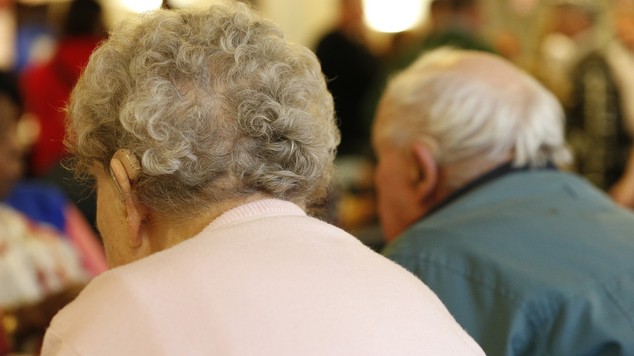
England is embarking on an unprecedented overhaul of its care home sector, with a comprehensive review of all 25,000 care homes and homecare services across the country. This sweeping assessment aims to safeguard vulnerable residents by ensuring that facilities meet rigorous quality standards, and it carries serious consequences for those that fail to comply.
What is Happening to England’s Care Homes?
Starting this October, the Care Quality Commission (CQC) will begin inspecting and rating every care home and homecare service in England. This initiative represents one of the most extensive regulatory reviews in the sector’s history. The goal is clear: to root out abuse, neglect, or substandard care and improve the overall safety and wellbeing of residents.
From April next year, care providers who receive an “inadequate” rating will face immediate repercussions. They will be placed under special measures, a regulatory intervention that demands urgent improvement in care standards. If these facilities fail to show measurable progress within a specified timeframe, the ultimate penalty could be enforced, closure.
Such a firm stance underlines the government’s commitment to protecting some of society’s most vulnerable individuals. It sends a strong message that subpar care environments will no longer be tolerated and that rigorous oversight will be maintained.

Learning from Hospital Turnaround Successes
This aggressive approach draws inspiration from a similar programme implemented in the hospital sector, particularly targeting institutions flagged for poor performance and high mortality rates. Last year, NHS England introduced special measures to 11 struggling hospitals, aiming to catalyse rapid improvements.
Results from this hospital initiative have been encouraging. According to data from the Department of Health, five of these hospitals have already improved sufficiently to be removed from special measures or are on track to be cleared soon. Another four have made significant strides but remain under observation for continued progress. The final two are scheduled for evaluation imminently.
Professor Sir Mike Richards, the Chief Inspector of Hospitals, praised the transformation: “We have seen significant improvements in almost all of the 11 trusts that were put into special measures, with exceptional progress in two trusts and very good progress in a further three.” He credited the dedicated efforts of hospital staff who worked tirelessly to elevate care quality.
The strategy employed involved pairing failing hospitals with successful NHS Trusts to develop tailored action plans. This collaborative approach helped share best practices and provided the struggling hospitals with the expertise needed to turn things around. Additionally, staffing was bolstered substantially, with 603 new nurses, 721 nursing support staff, and 101 doctors recruited across these institutions.
Health Secretary Jeremy Hunt reflected on the significance of these reforms, referencing the Mid Staffordshire NHS Foundation Trust scandal, which exposed systemic failures and complacency in some hospitals. He emphasized the importance of transparency and accountability in driving improvements: “Thanks to a sharp focus on admitting problems rather than burying heads in the sand, some of these hospitals have tackled their deep-rooted failings for the first time and are on the road to recovery.”
Why This Matters for Care Homes and the Public
The decision to extend this rigorous approach to care homes is a natural next step, given the parallels in vulnerability and the necessity for high standards of care. Care homes serve elderly individuals, many with complex medical needs, and ensuring their safety is a societal imperative.
Tom Sandford of the Royal College of Nursing highlighted a key factor in delivering quality care: staffing. He stressed that “staffing levels must never again be dictated by finances rather than patient need.” Proper staffing ensures residents receive the attention and compassion they deserve, preventing neglect and safeguarding dignity.
By enforcing strict inspections and consequences, the government aims to foster a culture of continuous improvement and accountability in the care home sector. Facilities will be incentivized to maintain high standards or face closure, which could reshape the sector’s landscape significantly.
This initiative also provides reassurance to families and the public that the care sector will not tolerate complacency. It establishes a framework where quality care is non-negotiable and where providers must consistently demonstrate their commitment to residents’ welfare.
Looking Ahead: What to Expect
As the CQC embarks on this massive inspection regime, the coming months will be critical. Care homes will undergo intense scrutiny, and the pressure to improve will intensify. Providers that have struggled may find themselves under the spotlight and required to act swiftly to avoid closure.
For residents and their families, this initiative promises greater transparency and the potential for enhanced care experiences. Public confidence in care homes could be restored as poor performers are either compelled to improve or removed from the system.
Ultimately, this programme reflects a broader commitment within England’s healthcare system to protect vulnerable populations and ensure that care environments meet the highest standards of safety, compassion, and professionalism.
The message is unequivocal: safe, high-quality care is a right, not a privilege. And under this new framework, England’s care homes must rise to that standard or face the consequences.