

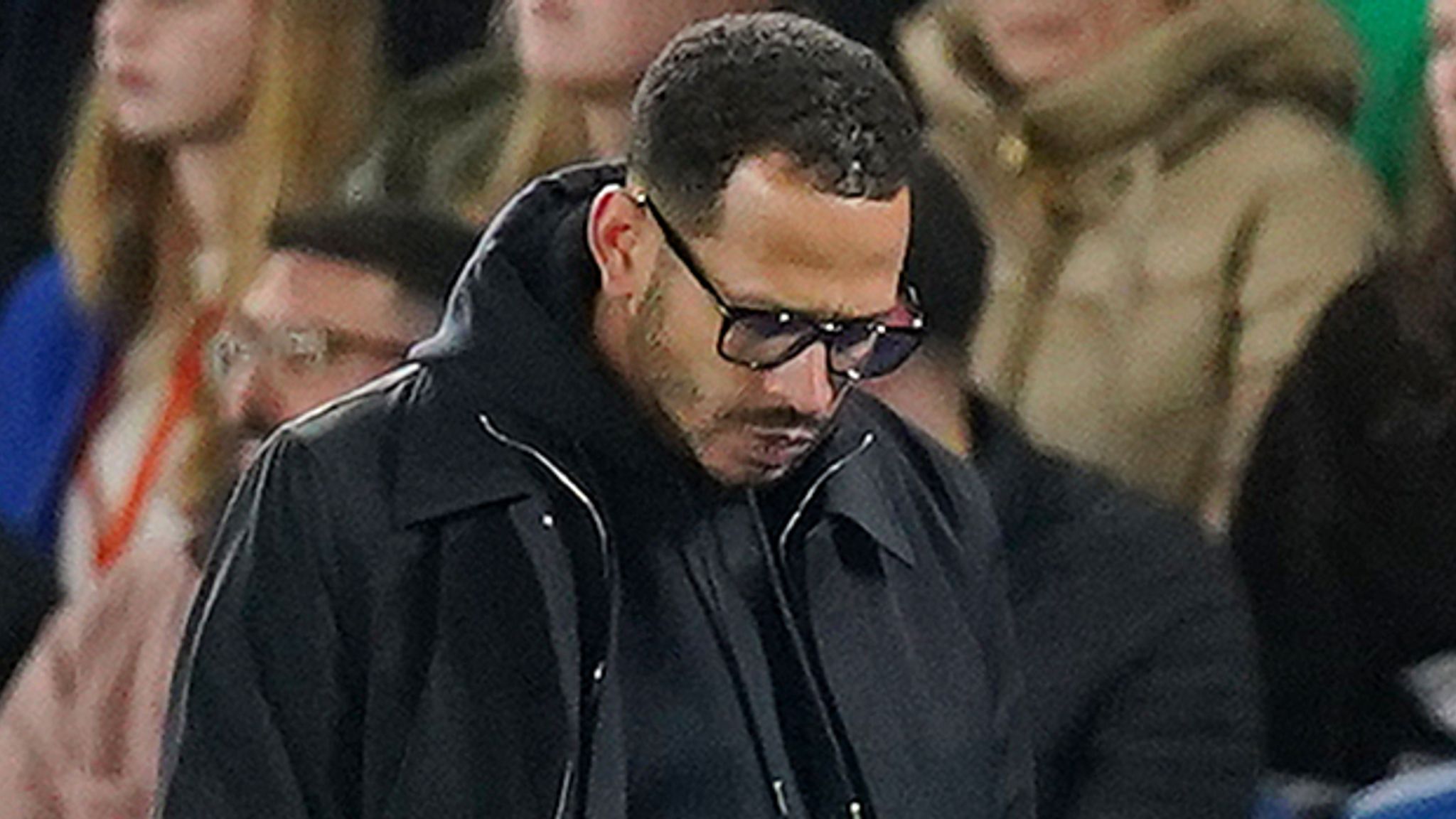
Chelsea FC has abruptly ended Liam Rosenior’s tenure as head coach just 107 days after his surprising appointment. The 41-year-old’s dismissal follows a brutal sequence of five consecutive Premier League defeats without scoring a single goal, a crisis that has plunged the club into uncertainty.
The Rapid Rise and Fall of Liam Rosenior at Chelsea
Rosenior’s arrival at Stamford Bridge in January initially sparked optimism. Signed on a six-and-a-half-year contract, the former Hull City and Strasbourg manager quickly impressed by winning his first four Premier League matches. Under his guidance, Chelsea also advanced to the last 16 of the UEFA Champions League, suggesting a promising turnaround.
However, that early momentum evaporated dramatically. After a heavy 5-2 loss to Paris Saint-Germain in the Champions League on March 11, the team’s form nosedived. Since then, Chelsea has lost seven of eight matches across all competitions, including the recent five-game losing streak in the Premier League—the first time the club has failed to score in five consecutive league games since 1912.
The most recent blow came with a 3-0 defeat at Brighton & Hove Albion, a result that sealed Rosenior’s fate. Chelsea now sits eighth in the league table, seven points adrift of fifth-placed Liverpool, who still have a game in hand. This slide threatens Chelsea’s hopes of qualifying for next season’s Champions League, a blow to the club’s ambitions and finances.
Interim Leadership and Club Response
Following Rosenior’s departure, Chelsea has appointed Calum McFarlane as interim head coach. McFarlane, who briefly led the team earlier in the season after the exit of Enzo Maresca, will oversee preparations for the critical FA Cup semi-final against Leeds United at Wembley on Sunday.
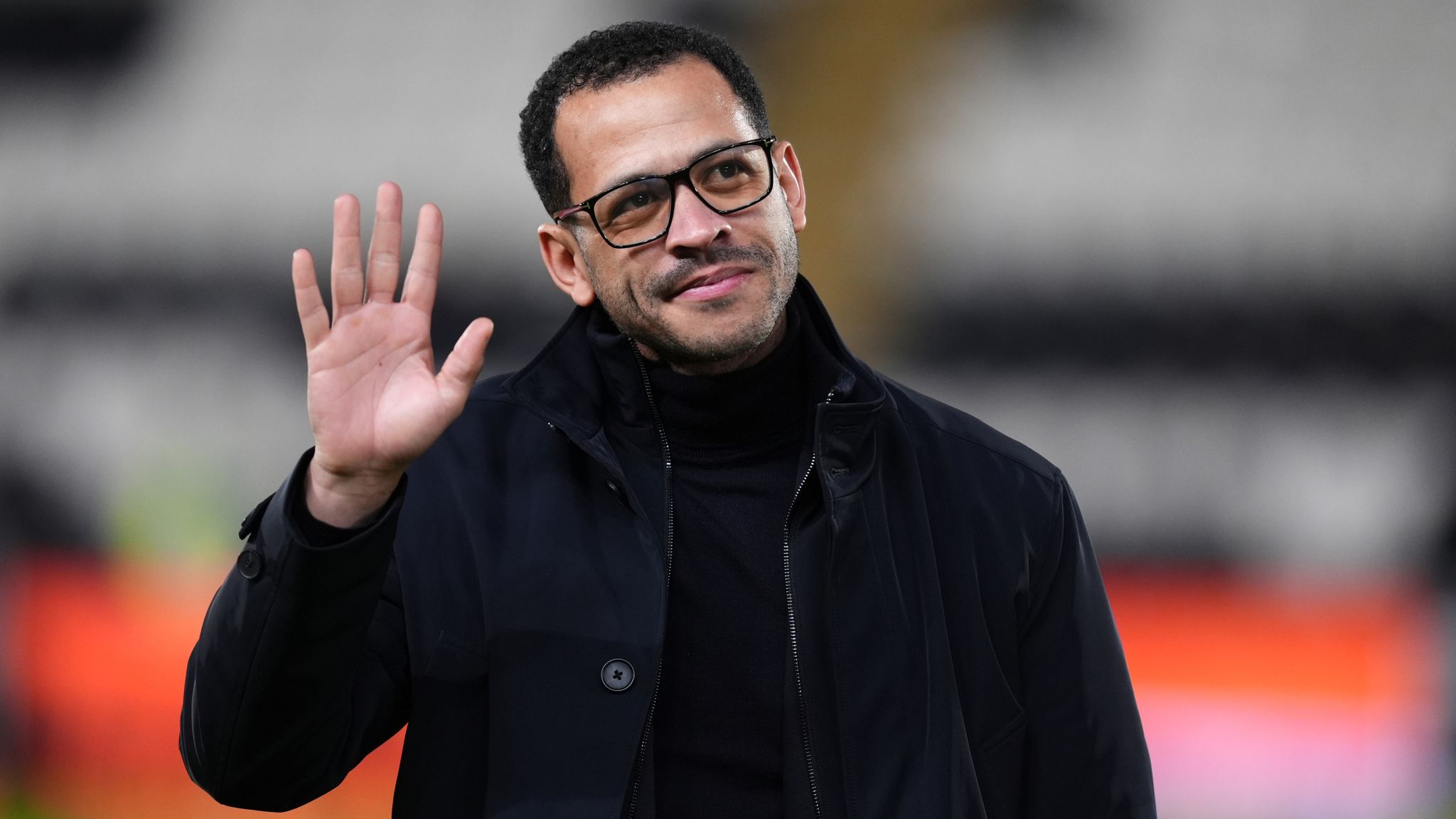
Chelsea issued a formal statement emphasizing Rosenior’s professionalism and integrity during his short spell at the club. “This has not been a decision the club has taken lightly,” the statement read, “however recent results and performances have fallen below the necessary standards with still so much more to play for this season. Everyone at Chelsea FC wishes Liam every success in the future.”
Rosenior himself acknowledged the severity of the situation. After the Brighton defeat, he described the team’s performance as “indefensible” and expressed understanding for the fans’ frustration, who had chanted for his departure during the match. “The buck stops with me,” he admitted candidly.
What Lies Ahead for Chelsea
The Blues’ hierarchy has stated they will not rush to appoint a permanent replacement before the season’s end. This cautious approach signals a desire to carefully evaluate options rather than repeat past mistakes with hasty decisions.
Chelsea’s collapse under Rosenior highlights deeper challenges within the club. The team’s downward trajectory since early March has exposed tactical weaknesses and a lack of confidence, raising questions about squad cohesion and management stability. The club’s ownership, BlueCo, who also owns Strasbourg—Rosenior’s previous club—had hoped for a smooth transition, but the results have fallen far short.
With Champions League qualification slipping from reach and the season’s most critical fixtures approaching, Chelsea faces pressure to regain form quickly. The interim period under McFarlane will be crucial in stabilizing the squad and setting a foundation for the next permanent coach.
Why This Matters
Chelsea is one of the Premier League’s historic giants, accustomed to competing at the highest levels domestically and in Europe. The current turmoil threatens the club’s competitive stature and financial health, as Champions League participation is a vital revenue source. Moreover, the rapid coaching turnover underscores the volatility within the club’s management, a pattern that can unsettle players and fans alike.
For Rosenior, the experience serves as a harsh reminder of the unforgiving nature of top-flight football management. His initial success was overshadowed by a swift and severe decline, illustrating how fragile momentum can be in elite football.
As Chelsea navigates this challenging period, the club’s next leadership choices and strategic direction will determine whether they can reclaim their position among Europe’s elite or face a prolonged period of rebuilding.
Full details on the club’s permanent managerial plans have not yet been released.