

The families of those lost in the tragic 1994 RAF Chinook helicopter crash are intensifying their fight against the UK Ministry of Defence’s (MoD) refusal to authorize a fresh independent inquiry. A son of one victim insists the government’s claim that it is “too late” to reopen the case must not prevail, highlighting a relentless pursuit of truth and accountability decades after the disaster.
The 1994 RAF Chinook Crash: A Devastating Loss
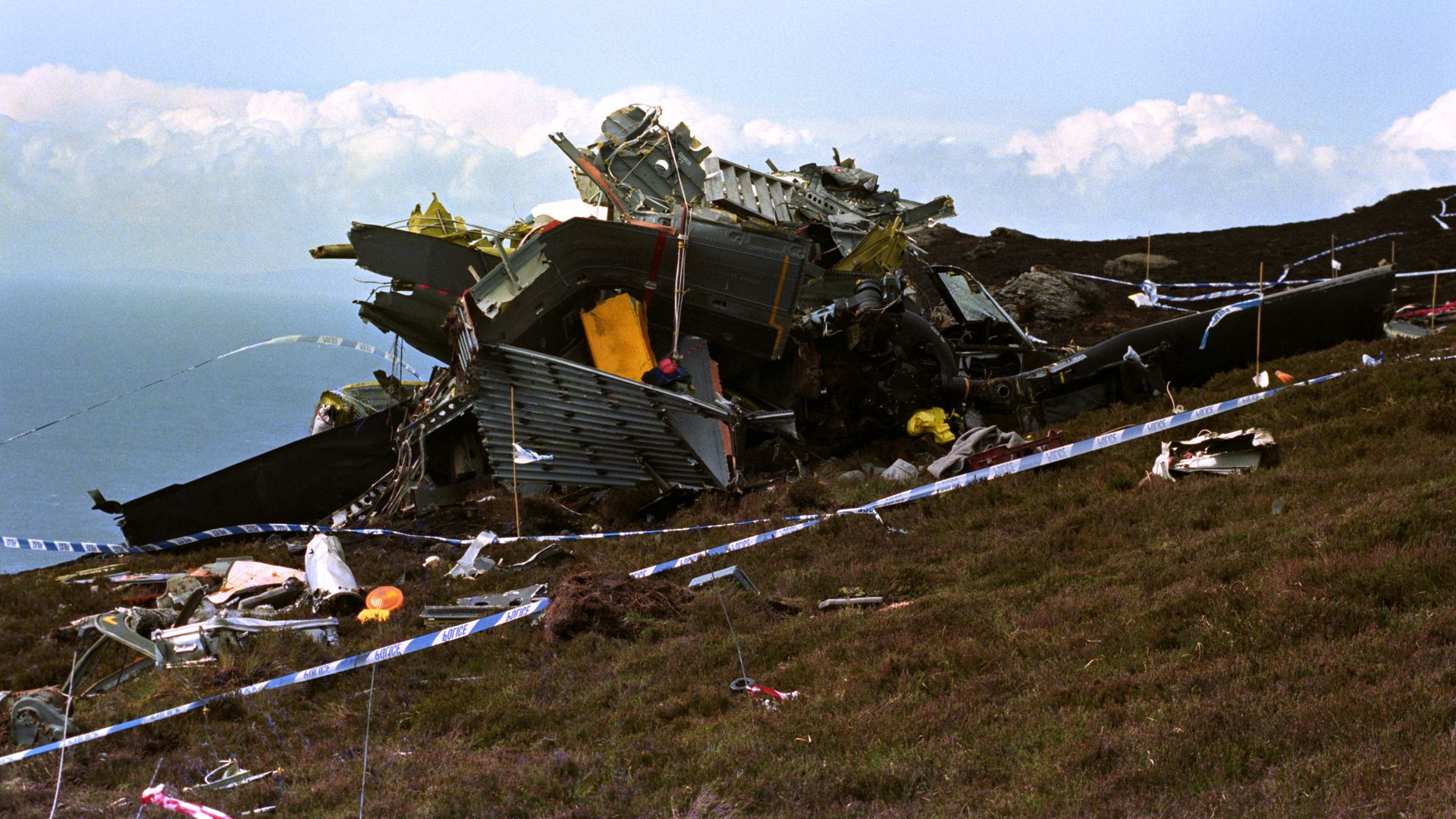
On a cold November day in 1994, a Royal Air Force Chinook helicopter crashed on the Mull of Kintyre in Scotland, killing all 29 people on board, including some of the military’s most experienced personnel. The disaster remains one of the deadliest helicopter crashes in UK history and has left a lasting scar on the families and the nation.
The victims included senior officers and intelligence experts, many of whom were returning from a mission related to the Northern Ireland peace process. The tragedy sparked immediate investigations, but the official conclusions have long been contested by relatives and aviation experts alike.
Families Challenge the MoD’s Stance on Independent Review
Decades after the crash, the Ministry of Defence maintains that reopening an inquiry is unnecessary and impractical, citing the passage of time and previous exhaustive investigations. However, family members of the victims have vocally rejected this position.
One son of a deceased serviceman has publicly condemned the government’s stance, declaring that the argument it is “too late” to conduct a new independent review “cannot be allowed to win.” This sentiment echoes a broader frustration among the families, who believe critical evidence and unanswered questions remain unresolved.
They argue that the original investigations failed to fully consider all technical and procedural aspects that might have contributed to the crash. Moreover, the families contend that transparency and accountability are essential not only for their own closure but to uphold public trust in military operations and safety standards.
Why an Independent Inquiry Matters Now
Calls for a renewed independent inquiry have gained momentum amid ongoing concerns about aviation safety and military accountability. Supporters assert that advancements in investigative technology and methodology could shed new light on the circumstances surrounding the crash.
Beyond technical considerations, the demand for an inquiry underscores a fundamental principle: the right of families to seek truth and justice. For many relatives, the passage of almost 30 years has not diminished their resolve to understand what went wrong and to ensure lessons are learned to prevent future tragedies.
Critics of the MoD’s position argue that closing the door on fresh investigations risks eroding public confidence in official narratives and the military’s commitment to safety. They emphasize that time should not be a barrier to accountability, especially when lives were lost under questionable circumstances.
What This Means for Military Transparency and Victims’ Rights
The ongoing dispute over the RAF Chinook crash inquiry highlights broader issues around how governments handle historical tragedies involving military personnel. It raises important questions about the balance between institutional protection and the imperative to provide victims’ families with answers.
Resolving this conflict could set a precedent for future cases where families seek independent scrutiny of military incidents. It also emphasizes the vital role that openness and responsiveness play in maintaining trust between the armed forces, the government, and the public.
For the families, the fight is deeply personal and rooted in a desire for recognition and justice. Their determination to challenge the MoD’s refusal reflects a broader societal expectation that no tragedy, no matter how much time has passed, should be left unresolved.
Looking Ahead: The Pursuit of Closure and Accountability
As the MoD stands firm in its current position, families and advocacy groups continue to press for a thorough, independent examination of the Chinook crash. Their campaign serves as a poignant reminder that the quest for truth and accountability in the face of loss is enduring.
In the coming months, observers will watch closely to see if political and public pressure can compel the government to revisit its decision. The outcome will not only impact the families directly affected but could also influence how future military tragedies are addressed in the UK.
Ultimately, this unresolved chapter in British military history calls for a compassionate and transparent approach—one that honors the memories of those lost and reinforces a commitment to preventing similar disasters in the future.