

The United Kingdom boasts some of the world’s most advanced medical research institutions, yet a recent report reveals that this cutting-edge science is not sufficiently improving health outcomes across the nation. Despite pioneering discoveries and breakthroughs, many patients and communities have yet to reap the full benefits of these innovations, highlighting a critical gap between research excellence and practical application.
World-Leading Research with Limited Impact on Public Health
The UK has long been recognized as a global leader in medical research, with institutions such as the Francis Crick Institute, Wellcome Trust, and numerous university hospitals driving innovation. British scientists have contributed to landmark advances in genetics, oncology, infectious diseases, and neuroscience, placing the UK at the forefront of biomedical discovery.
However, the recent report underscores that despite this world-class research environment, the translation of scientific findings into improved patient care and widespread health benefits remains inconsistent. Large segments of the population are not experiencing the expected gains in disease prevention, treatment efficacy, or healthcare delivery. This “unrealised potential” signals systemic challenges that prevent innovations from moving swiftly and effectively into clinical practice.
Barriers to Translating Research into Real-World Outcomes
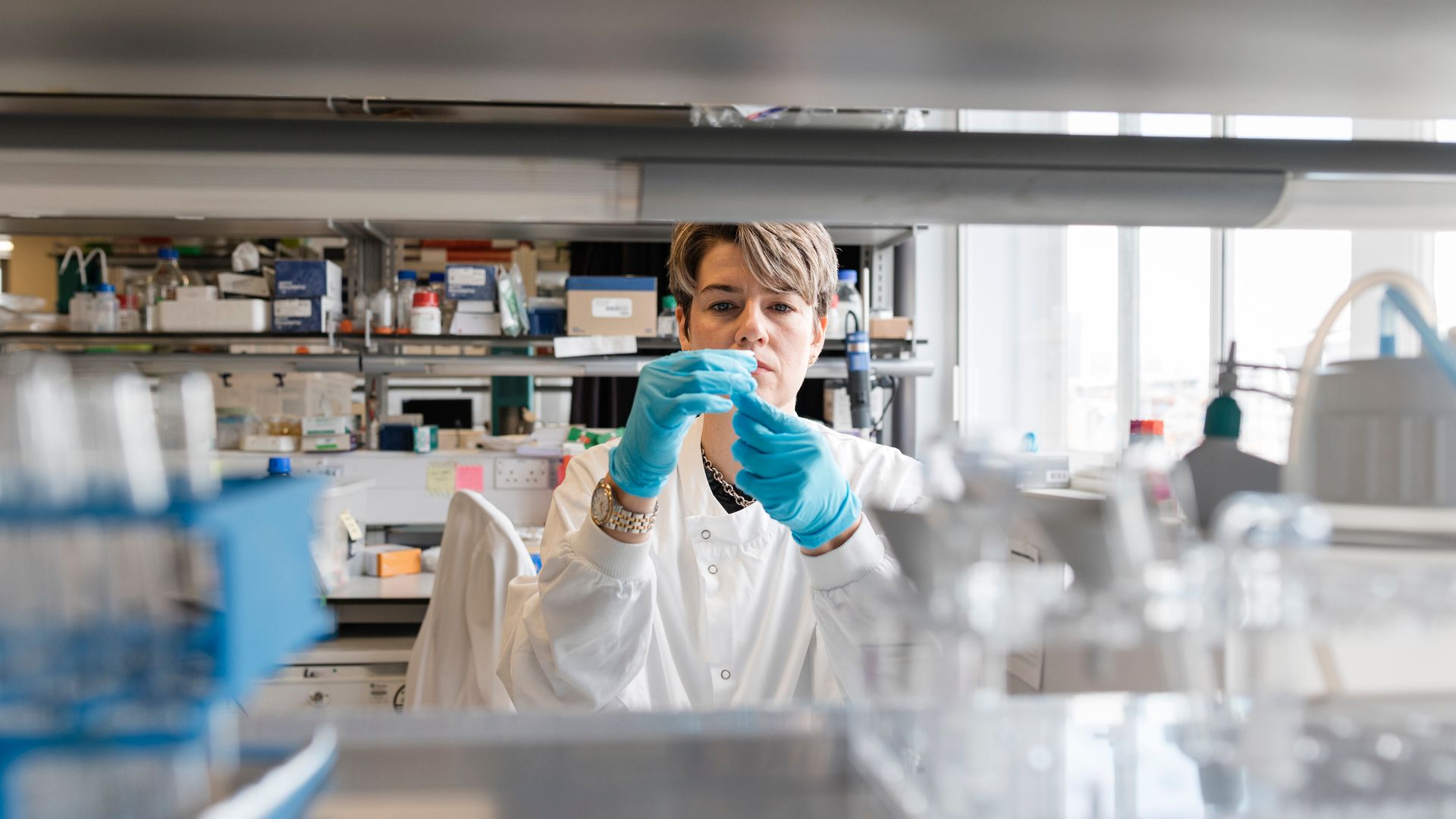
Several factors contribute to the disconnect between the UK’s robust medical research output and tangible health improvements. One major obstacle is the complex pathway from laboratory discovery to clinical implementation. Translational medicine requires coordination across research institutions, healthcare providers, regulatory bodies, and industry partners, which can be fragmented and slow.
Funding structures and incentives sometimes prioritize academic publications and innovation metrics over patient-centered outcomes. Additionally, disparities in healthcare infrastructure and access can mean that breakthroughs developed in elite centers do not reach underserved communities, exacerbating health inequalities.
The report also points to challenges in data integration and sharing, which hinder the ability to rapidly evaluate and refine new interventions. Without comprehensive, real-time health data, scaling successful treatments and preventive strategies remains difficult.
Why Closing the Gap Matters for the UK’s Future Health Landscape
Addressing the gap between medical research excellence and its impact on public health is crucial for the UK’s future. With an aging population and rising chronic disease rates, the nation faces escalating healthcare demands. Leveraging scientific innovation effectively could reduce disease burden, improve quality of life, and ease pressure on the National Health Service (NHS).
Moreover, maximizing the benefits of medical research aligns with economic objectives. The UK’s life sciences sector is a significant contributor to the economy, and ensuring that research leads to scalable health solutions can drive growth, job creation, and global competitiveness.
Policymakers, funders, and healthcare leaders must collaborate to streamline translational pathways, foster equitable access, and enhance data capabilities. Initiatives that prioritize patient involvement and real-world evidence can accelerate adoption of innovations where they are needed most.
Looking Ahead: Bridging Science and Health Impact
The UK’s medical research community stands at a pivotal moment. The foundational science is strong, but converting knowledge into widespread health improvements requires renewed focus and coordinated action. By addressing structural barriers and emphasizing patient-centered outcomes, the country can unlock the full potential of its medical research ecosystem.
Ultimately, closing this gap will not only enhance individual lives but also fortify the UK’s position as a global leader in both scientific discovery and health innovation.