

The stark and persistent gap in educational outcomes between disadvantaged pupils and their peers stands as a formidable and immediate challenge for the incoming UK prime minister. Experts and researchers emphasize that addressing this inequality will be a critical early test for any new government leader stepping into Number 10 Downing Street.
Understanding the Disadvantage Gap in UK Schools
For years, the educational attainment gap has reflected deep-rooted socioeconomic disparities across the country. Children from low-income families consistently lag behind their wealthier counterparts in key academic measures, such as GCSE and A-level results. This gap affects not only academic performance but also future opportunities, including access to higher education and employment prospects.
Researchers have highlighted that the COVID-19 pandemic further intensified these inequalities. School closures and the shift to remote learning disproportionately impacted disadvantaged students, many of whom faced limited access to digital devices and supportive learning environments at home.
Despite various government initiatives aimed at closing this gap, progress remains slow and uneven. The gap remains stubbornly wide in many regions, particularly in urban areas and communities with entrenched poverty. The challenge is complex, involving factors beyond education, such as housing, health, and social services.
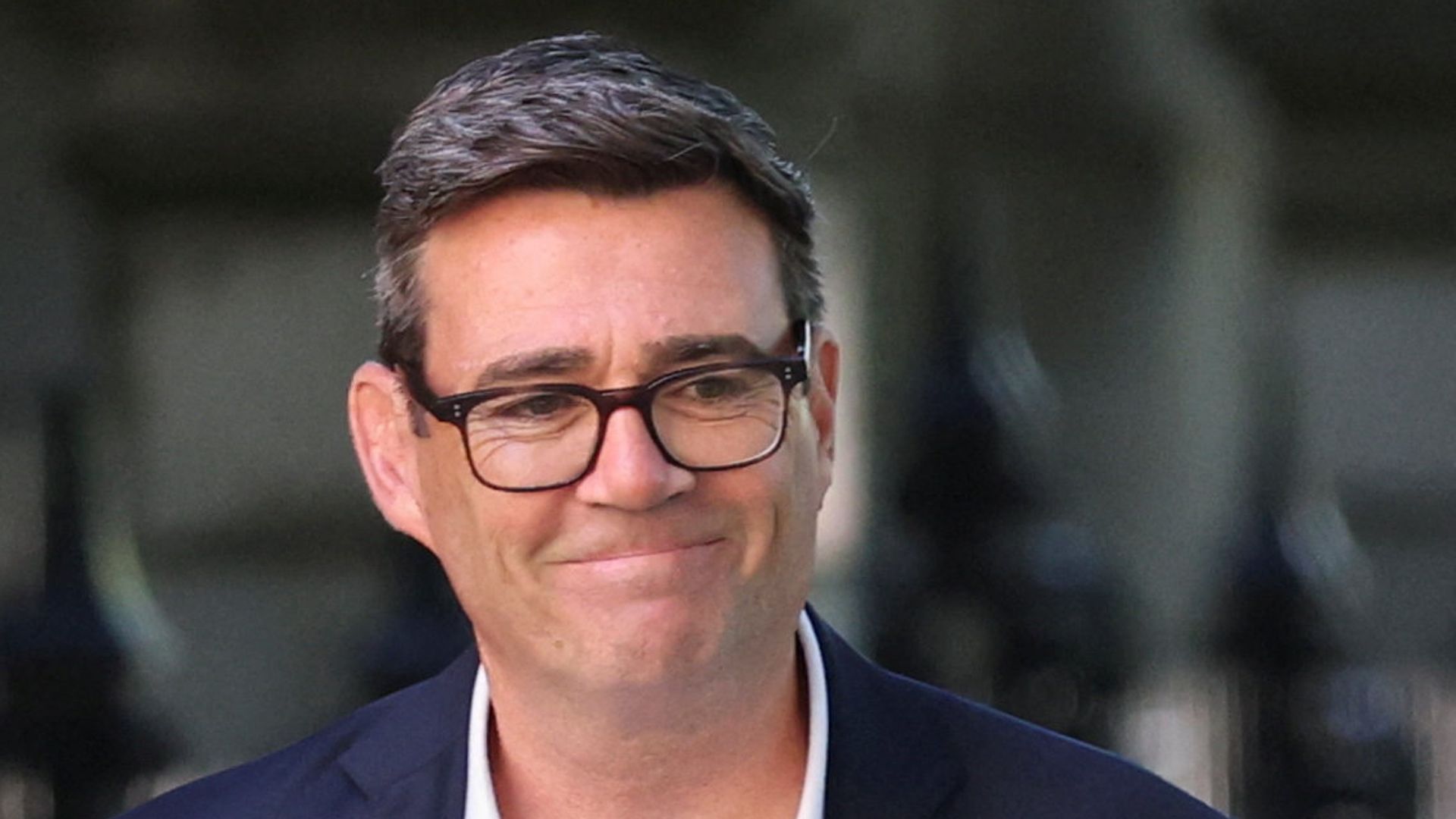
Why This Will Be an Early Test for the New Prime Minister
Educational inequality is more than just a policy issue; it is a social and economic imperative. The next prime minister will inherit a landscape where the disadvantage gap is a pressing concern for parents, teachers, and policymakers alike. Tackling this issue will demand coordinated action across multiple departments, including education, social welfare, and finance.
Experts warn that failure to address these disparities early risks exacerbating social divisions and limiting social mobility. The prime minister’s ability to prioritize funding, reform educational policies, and champion inclusive initiatives will significantly influence public perception and political capital.
Moreover, education outcomes are tightly linked with the country’s long-term productivity and economic growth. Closing the gap is essential for creating a more skilled workforce that can compete globally. As such, this issue will likely feature prominently in the new government’s agenda and public discourse.
Potential Strategies and What They Mean for the Future
Addressing the disadvantage gap requires a multi-faceted approach. Potential strategies include increasing investment in early years education, expanding targeted support programs, and improving teacher training focused on equity and inclusion. Some experts also advocate for enhanced data collection to better understand where interventions can be most effective.
Furthermore, collaboration between schools, local authorities, and community organizations can help create supportive networks for disadvantaged pupils. Policies that tackle broader issues like child poverty, mental health support, and access to extracurricular activities also play a critical role.
The incoming prime minister’s commitment to these measures will be a litmus test of their leadership and vision for a fairer Britain. Success could lead to a transformative shift in educational equality, while failure may deepen existing divides and fuel public frustration.
Ultimately, closing the disadvantage gap is about more than improving test scores—it is about unlocking the potential of every child regardless of background. The next prime minister faces the urgent task of turning this goal into reality, setting the tone for their leadership and the nation’s future.