The Bank of England has announced a significant change to the design of the £5 note, revealing that the iconic portrait of Sir Winston Churchill will be replaced by an image of an animal. This move has sparked widespread discussion across the UK, but Churchill’s granddaughter, Emma Soames, has expressed her approval of the decision, rejecting criticisms that the change represents “wokery.”

The Bank of England’s New £5 Note Design
The Bank of England’s decision to replace Churchill’s image on the £5 note marks a notable departure from tradition. Churchill, the wartime Prime Minister widely regarded as one of Britain’s most influential leaders, has appeared on the note since 2016. The new design featuring an animal continues the Bank’s recent trend of celebrating natural heritage and biodiversity on currency.

While the Bank has not yet revealed which animal will feature on the new note, the move aligns with a broader effort to reflect modern values and the environment. This update is part of the Bank’s ongoing commitment to updating currency designs with fresh themes that resonate with the public and celebrate Britain’s rich natural world.


Emma Soames Welcomes the Change Amid Public Debate
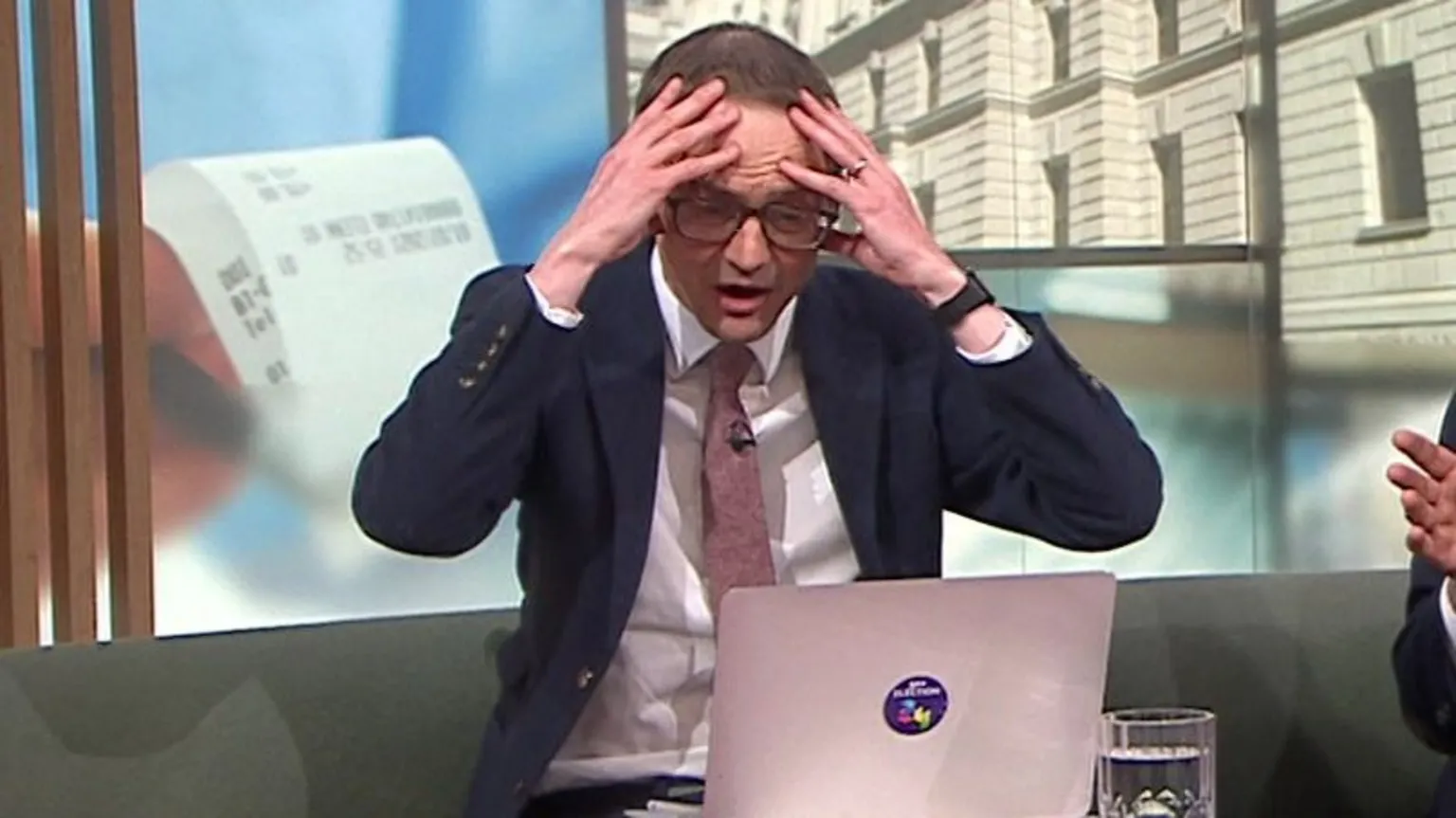
Emma Soames, granddaughter of Sir Winston Churchill, spoke candidly about the change during an interview with BBC Newsnight. She expressed that she is happy with the Bank of England’s decision, emphasizing respect for evolving cultural values and the importance of recognizing varied aspects of British heritage.
Soames also rejected the critique from Nigel Farage, leader of Reform UK, who described the change as “wokery” — a term often used to disparage progressive social movements. She argued that updating the £5 note’s imagery is a reflection of the country’s growth and does not diminish Churchill’s legacy.
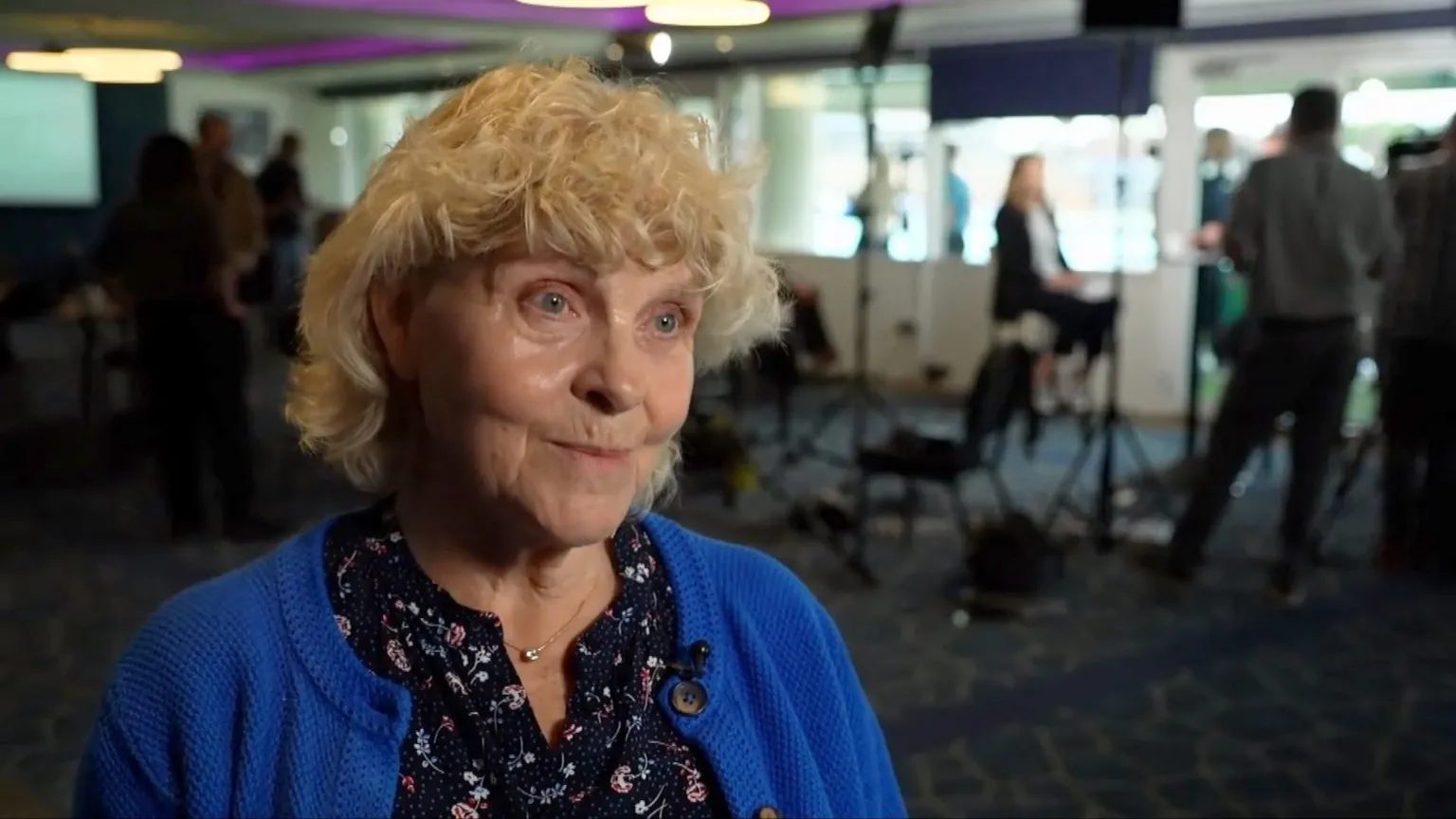
Her perspective highlights a broader conversation about how societies commemorate historical figures and balance tradition with contemporary values. Churchill’s contributions remain deeply respected, yet the Bank’s choice signals a desire to diversify the symbols represented in public life.
Why This Change Matters: Cultural Significance and Currency Evolution
The image printed on currency carries powerful symbolism, reflecting national identity, values, and history. Churchill’s portrait on the £5 note has been a symbol of resilience and leadership during one of the most turbulent times in British history — World War II. However, currency designs also serve as a platform for showcasing other elements of Britain’s story.

Replacing Churchill’s image with an animal highlights the growing importance of environmental awareness and biodiversity. It also connects with global trends where nations use currency to promote cultural diversity, wildlife conservation, and national pride beyond historical figures. For many citizens, this is a welcome shift that modernizes the narrative portrayed on everyday money.
Moreover, the redesign can encourage public engagement with currency, sparking curiosity and conversations about the choices behind the images we use daily. It reflects the Bank of England’s role not just in monetary policy but also in shaping cultural representation.
Looking Ahead: What to Expect from the New Note
The Bank of England has yet to announce the specific animal that will replace Churchill on the £5 note. However, this decision opens the door to celebrating Britain’s rich natural heritage and environmental priorities. The new design is expected to be released in the coming years, continuing the Bank’s tradition of high-quality, secure, and artistically significant currency notes.
For Churchill’s supporters and history enthusiasts, this change does not erase his legacy but rather places it within a broader and evolving cultural context. Emma Soames’ endorsement may help ease tensions surrounding the redesign and foster a greater understanding of why the Bank chose to take this step.

As Britain moves forward, the currency will not only be a tool for transactions but also a canvas reflecting the nation’s identity, concerns, and aspirations.
Takeaway: A Fresh Chapter for Britain’s £5 Note
The decision to replace Sir Winston Churchill with an animal on the £5 note signals a transformative moment for British currency. It balances respect for history with a forward-looking embrace of environmental themes and inclusivity. Emma Soames’ positive response underscores that this change is not about erasing the past but enriching the present narrative.

As the new £5 note rolls out, it will invite the public to reflect not only on iconic leaders but also on the natural world that shapes Britain’s identity. This evolution in design highlights the role currency plays as a medium of cultural expression, reminding us that symbols on money carry stories far beyond their monetary value.