

A provocative video art installation accusing Sir Winston Churchill of responsibility for the catastrophic 1943 Bengal famine has been removed from the National Portrait Gallery following intense public debate and institutional scrutiny. The artwork, which sparked heated discussions about historical accountability and colonial legacy, was taken down amid controversy over its portrayal of one of Britain’s most iconic wartime leaders.
The Controversy Over Churchill and the Bengal Famine
The Bengal famine of 1943 resulted in the deaths of an estimated 2 to 3 million people in British-ruled India, making it one of the deadliest famines in modern history. The causes of the famine are complex, involving wartime disruptions, natural disasters, and colonial policies. However, some historians and critics argue that decisions made by the British government, including those by Prime Minister Winston Churchill, exacerbated the crisis.
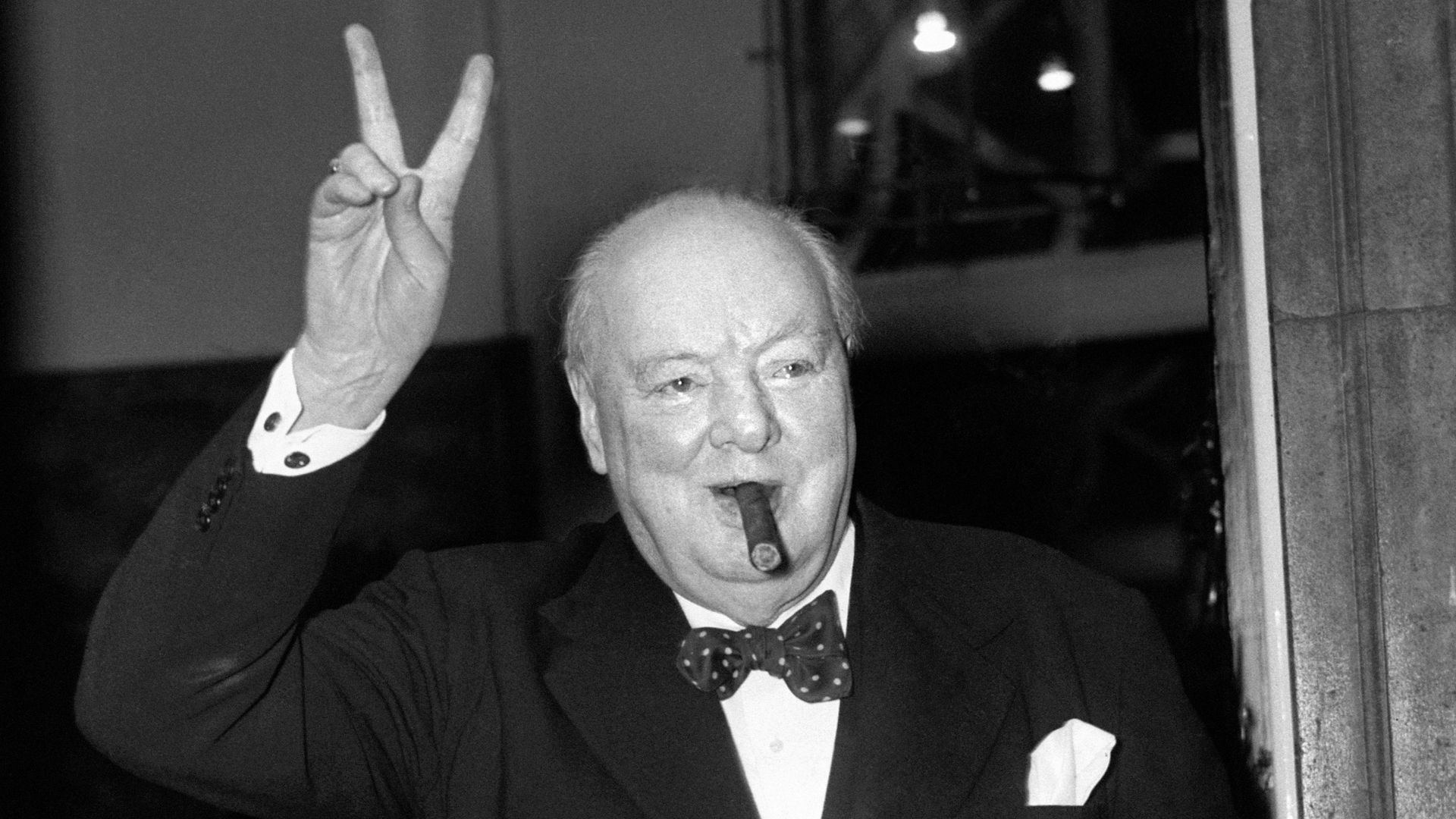
The removed video installation explicitly blamed Churchill for mass starvation, a claim that reignited long-standing debates over his legacy. Critics of the artwork argued that it oversimplified the multifaceted causes of the famine and unfairly targeted Churchill, while supporters viewed it as a necessary confrontation with uncomfortable truths about colonialism and its human costs.
Why the Artwork Sparked Intense Debate
The National Portrait Gallery, known for curating pieces that explore British history and identity, faced significant backlash from multiple sides. Some visitors and commentators accused the gallery of promoting a one-sided historical narrative that vilified Churchill, a figure widely celebrated for his leadership during World War II. Others praised the gallery for engaging with difficult aspects of British imperial history that are often overlooked or sanitized.
The piece’s removal highlights the challenges cultural institutions face when presenting politically charged artwork that probes contentious historical events. The debate around the installation underscores how interpretations of Churchill’s actions during the Bengal famine remain deeply polarized, reflecting broader tensions about colonial legacy and national memory in Britain.
What This Means for Historical Reckoning and Public Memory
The incident at the National Portrait Gallery is emblematic of a growing movement to critically reassess historical figures once universally revered. As museums and galleries increasingly confront uncomfortable chapters of history, they must balance educational aims with sensitivity to diverse perspectives.
For many, the Bengal famine is a stark reminder of the devastating impact of imperial policies on colonized populations. The artwork’s provocative claim forces a confrontation with questions about responsibility, ethics, and the consequences of political decisions in times of crisis. While Churchill remains a towering figure in British history, this episode reveals the complexities in how his legacy is understood and portrayed.
Institutions grappling with such controversies may need to foster more nuanced dialogues that acknowledge multiple viewpoints and encourage critical engagement rather than polarized reactions. This approach can enrich public understanding and contribute to a more comprehensive reckoning with history.
Looking Ahead: The Role of Art in Historical Dialogue
Art installations like the one removed from the National Portrait Gallery serve as powerful catalysts for discussion, challenging audiences to reconsider established narratives. Although the removal of the piece signals institutional caution, it also opens space for continued conversations about how history is represented and who gets to shape that representation.
Ultimately, the debate sparked by this artwork illustrates the vital role of cultural spaces in shaping collective memory and confronting difficult pasts. As society moves forward, the intersection of art, history, and public discourse will remain crucial in fostering a deeper understanding of the legacies that continue to influence the present.
Full details about the gallery’s decision and future plans regarding similar works have not yet been disclosed.