

Cyprus stands at a crossroads as its leader, President Nikos Christodoulides, calls for an open and honest dialogue about the continued presence of the United Kingdom’s military bases on the island. Describing the bases as a “colonial consequence,” Christodoulides insists that once tensions in the Middle East subside, Cyprus and the UK must engage in frank discussions regarding the bases’ status and future.
The Legacy and Current Reality of UK Bases in Cyprus
Since Cyprus gained independence from Britain in 1960, the UK has maintained sovereignty over two strategic military bases: Akrotiri and Dhekelia. These bases collectively cover approximately 98 square miles (254 square kilometers) in the south and southeast of the island. Established under the treaty that ended colonial rule, the bases have long been a point of contention for many Cypriots who view them as remnants of Britain’s imperial past.
The bases provide significant employment opportunities, with more than 10,000 Cypriot citizens working within them. President Christodoulides emphasized Cyprus’s responsibility for these workers, highlighting the social and economic ties binding the island to the UK military presence.
Despite their importance, the bases have also made Cyprus a geopolitical flashpoint. This month, RAF Akrotiri came under drone attack amid the escalating conflict between the US, Israel, and Iran. The assault reportedly involved drones launched from Lebanon or Iraq, striking a hangar used for US spy planes and prompting a swift British military response, including the deployment of the destroyer HMS Dragon.
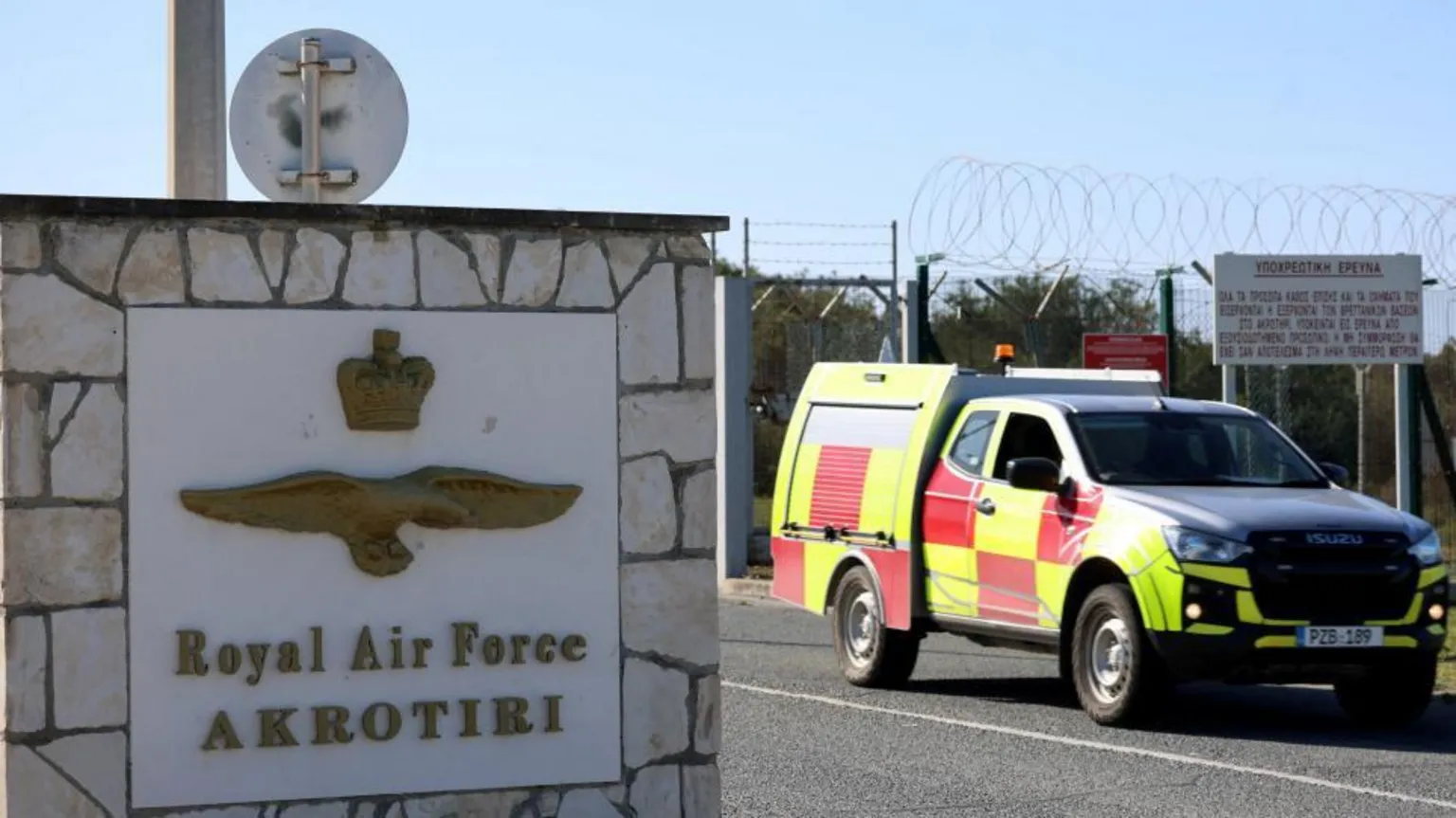
Two of the drones were intercepted mid-flight, but the attack intensified local debates over the bases’ role. Protesters argue that the UK’s military installations have made Cyprus a target, dragging the island into broader regional conflicts not of its making.
Complex Negotiations Ahead for Cyprus and the UK
Christodoulides stressed that any future negotiations about the bases’ presence will be highly complex. The original agreements involved not only the UK and Cyprus but also Greece, Turkey, and representatives of both Greek and Turkish Cypriot communities. This multi-party framework complicates any unilateral moves to alter the status quo.
When asked if he sought the removal of the bases, the president remained diplomatically reserved: “We have a clear approach with regard to the future of the British bases… I’m not going to negotiate publicly.” This stance underscores the sensitive and delicate nature of the issue, which touches on national sovereignty, regional security, and international diplomacy.
The UK Ministry of Defence responded by reaffirming the bases’ critical role in safeguarding British citizens and allies across the Mediterranean and Middle East. It highlighted recent military enhancements, including radar and counter-drone systems, F-35 jets, ground-based air defenses, and an influx of 400 additional air defense personnel deployed since January.
Public Opinion Divided Amid Rising Tensions
In the Cypriot port city of Limassol, residents express contrasting views on the UK bases. Some, like Konstantina, urge the British to “close and leave,” reflecting a sentiment that the bases serve British rather than Cypriot interests. Kyriakos Panayiotou echoed this perspective, emphasizing that the bases were never intended to protect Cyprus but to benefit the UK strategically.
Conversely, others advocate maintaining the status quo for security reasons. Rebecca believes Cyprus needs a powerful ally, remarking, “I don’t think we will be strong enough ever for them to leave, so I think it’s safer for us to have somebody that has our back.” Her partner, Damianos, concurs, acknowledging Cyprus’s independence but noting that it lacks the strength to defend itself alone.

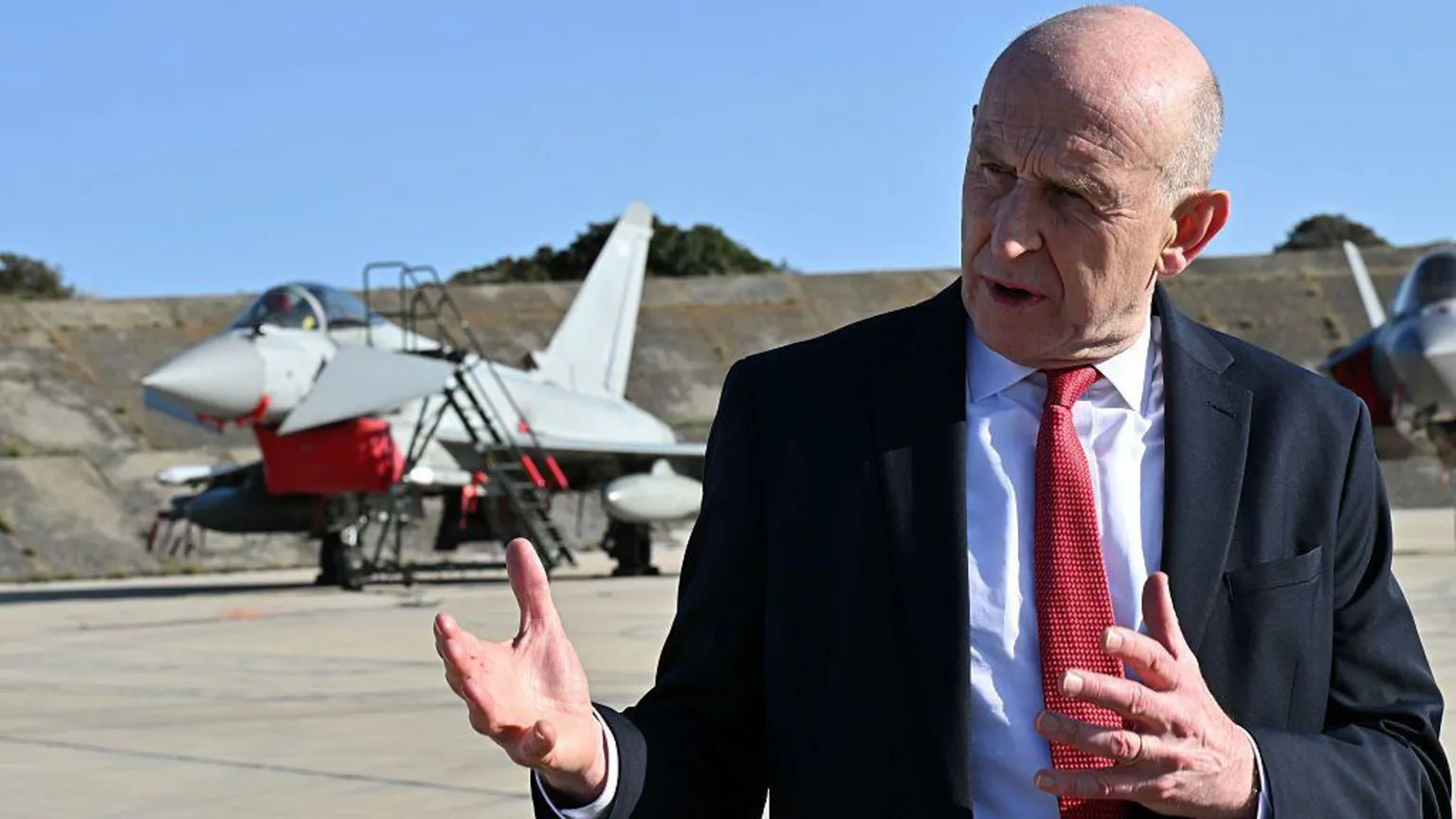
UK Defence Minister John Healey recently visited the air defense teams stationed at Akrotiri, emphasizing strong cooperation between the UK, NATO allies—including the US, France, Greece, and Germany—and Cyprus’s own National Guard. Healey highlighted that military collaboration with Cyprus has “never been closer,” signaling robust defense partnerships amid rising regional tensions.
Following the drone attack, the UK bolstered its military presence with naval and air reinforcements. Alongside the deployment of HMS Dragon, Greece and France dispatched frigates to the eastern Mediterranean, with Spain adding further naval support. This multinational response underscores Cyprus’s strategic importance in European and Middle Eastern security considerations.
Why This Matters for Cyprus and the Region
The ongoing debate over UK bases in Cyprus is about more than just sovereignty; it encapsulates the island’s precarious position at the crossroads of global power struggles. The bases have provided economic benefits and security assurances but have also drawn Cyprus into conflicts that many locals view as external and unwanted.
As tensions flare in the Middle East, Cyprus faces a critical choice: negotiate the future of the British military presence with a view toward either preserving a powerful alliance or asserting full control over its territory. The outcome will shape not only Cyprus’s national identity but also the balance of power in a volatile region.
For now, the calls for frank and open discussions signal a willingness from Cyprus’s leadership to confront these challenging issues head-on. How the UK responds will determine the trajectory of this historic relationship in an increasingly uncertain world.
Full details of forthcoming negotiations have not yet been released.