

England opening batsman Ben Duckett has been fined £700 after being caught driving at 93mph in a 70mph zone. The speeding offence, which took place near Stoke on the A50 in August, has added to a challenging period in the cricketer’s career as he seeks to regain form ahead of England’s upcoming Test series against New Zealand.

The Speeding Incident and Legal Outcome
The 31-year-old cricketer was detected speeding by a police speed gun shortly after 1:30pm on 24 August, just hours before starring in a Birmingham Phoenix Hundred victory over the Manchester Originals at Old Trafford. Duckett was pictured driving his Land Rover at the time.
Following the incident, Duckett admitted the offence in September after receiving a formal letter from Staffordshire Police. Rather than accepting an out-of-court fine, the police opted for a criminal prosecution due to the severity of the speeding, with Duckett subsequently pleading guilty via the Single Justice Procedure.
At Cannock Magistrates’ Court last Friday, Duckett was fined £700, received four penalty points on his driving licence, and was ordered to pay £120 in court costs alongside a £280 victim surcharge. The case was handled without a formal court hearing, and Duckett will soon receive instructions on how to settle the total £1,100 court bill.
Ben Duckett’s Career and Recent Challenges
Ben Duckett has been a prominent figure in English cricket since his Test debut in 2016. Known for his aggressive opening batting style, he became a key player from 2022, adapting effectively to England’s innovative “Bazball” approach, which emphasizes fast scoring and dynamic play.
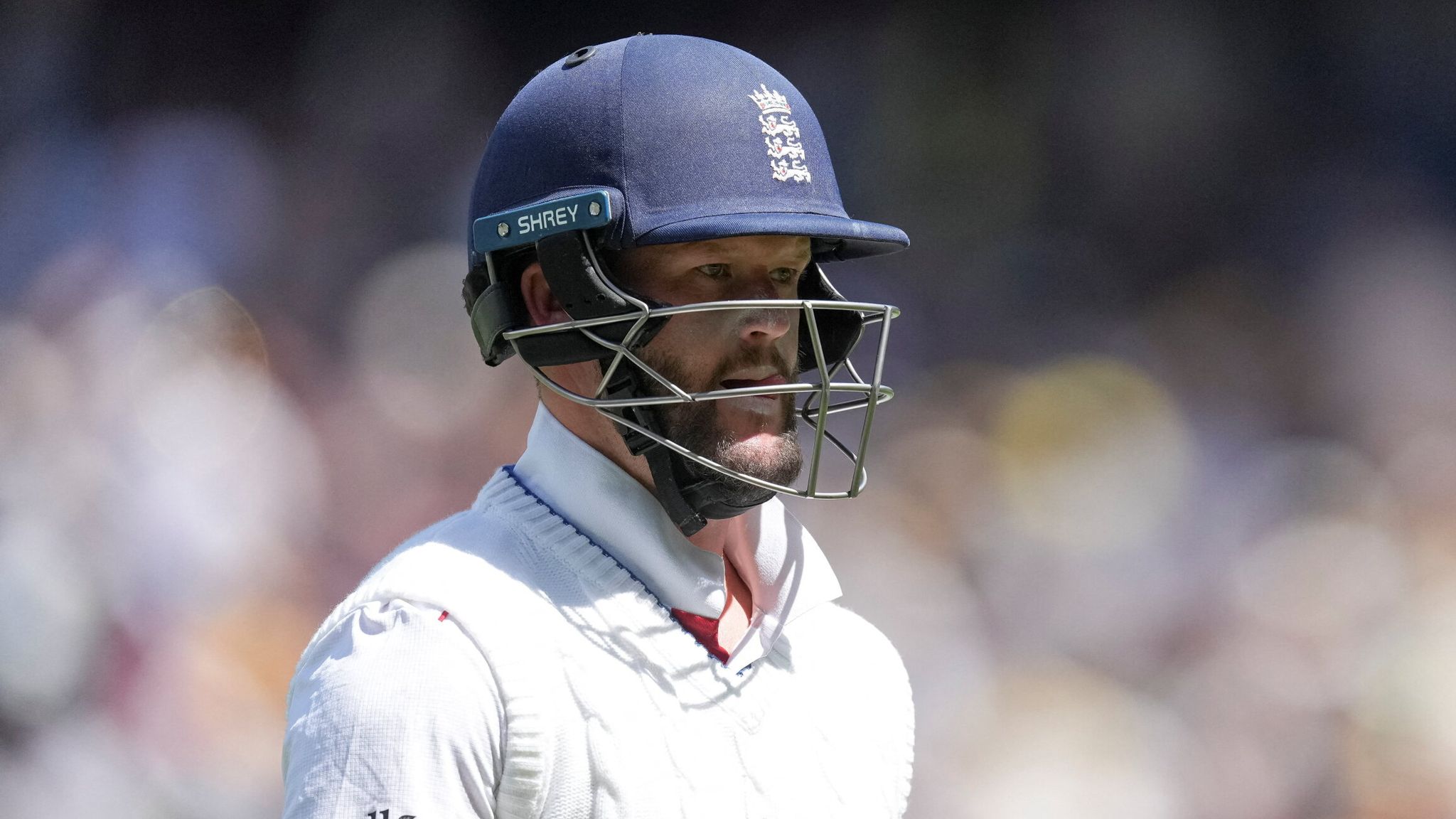
However, Duckett has recently experienced a marked downturn in form, which he himself described as a “ridiculously big dip.” In an effort to recover, he pulled out of the lucrative Indian Premier League (IPL) last week, foregoing a £200,000 contract with the Delhi Capitals. His decision highlights his commitment to regaining peak performance ahead of the England-New Zealand Test series scheduled for June.
Duckett has also publicly apologized for several past indiscretions, including an incident during the 2023 Ashes series in Australia where he was filmed intoxicated on a night out in Noosa.
Previous Legal Issues
This speeding case is not Duckett’s first encounter with the law. In 2015, as an emerging talent, he was prosecuted for drink-driving after crashing his car into a ditch in Northamptonshire, which resulted in a 12-month driving ban. Additionally, he courted controversy in 2017 when reports surfaced that he had poured a drink over fellow England bowler James Anderson during a night out.
Why This Matters: Impact on Duckett and English Cricket
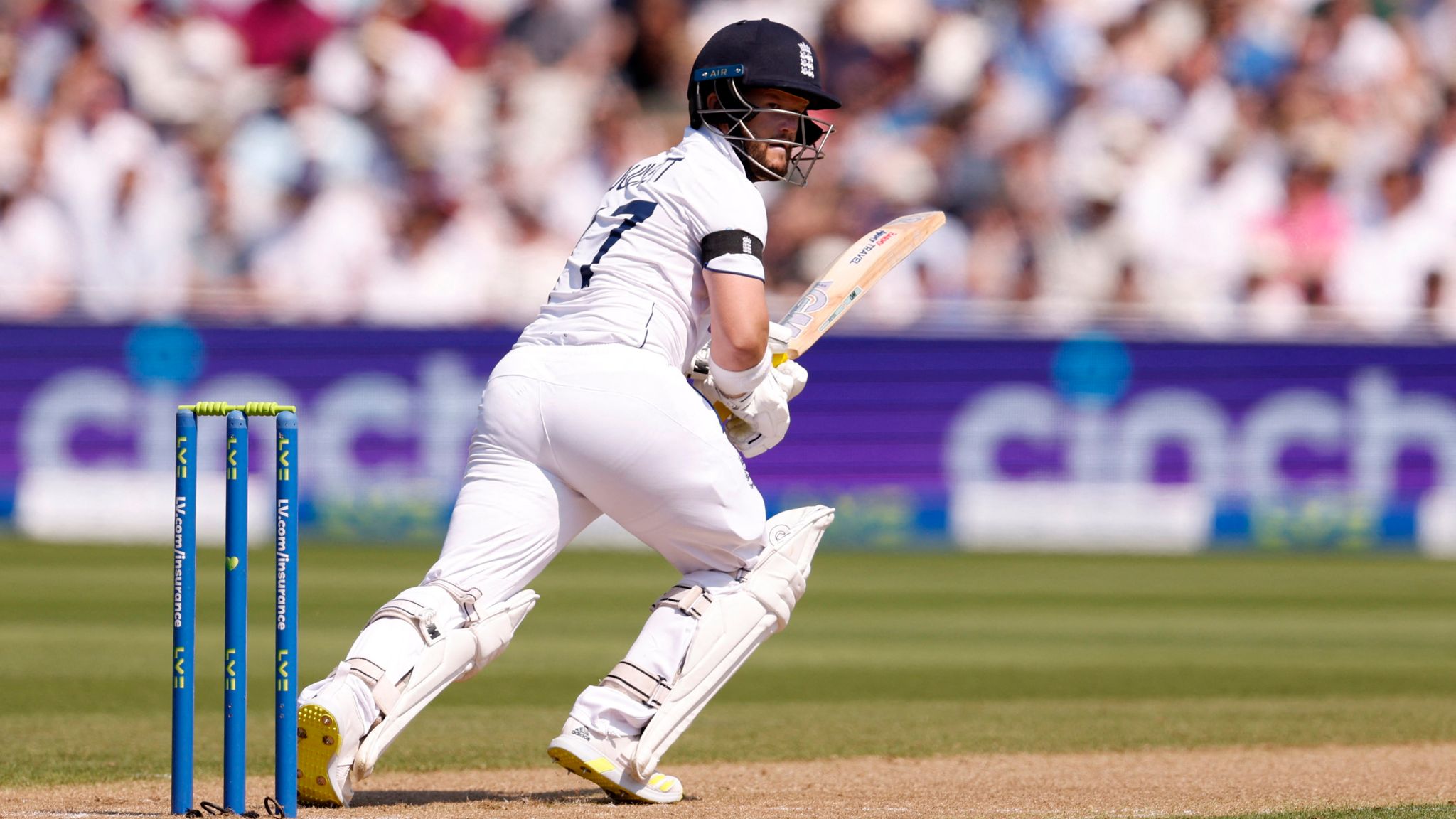
Ben Duckett’s speeding fine and ongoing struggles with form come at a critical juncture in his career and for England cricket. As an opening batsman, he plays a vital role in setting the tone for the innings in both Test matches and limited-overs formats. His recent dip in performance has drawn scrutiny, and the speeding conviction adds an off-field distraction.
His withdrawal from the IPL, a high-profile tournament attracting global attention and financial reward, signals his desire to focus on international duties and self-improvement. England’s cricket setup will be watching closely to see if Duckett can recapture the aggressive, confident batting style that made him a key fixture in the side.
Moreover, the incident underscores the pressures athletes face both on and off the field, balancing high expectations with personal conduct. For Duckett, maintaining discipline and focus will be crucial as he aims to secure his place in the national team and contribute to England’s success in upcoming series.
Looking Ahead
Ben Duckett’s recent speeding conviction serves as a reminder that sports stars are not immune to the consequences of poor decisions. While the fine and penalty points are significant, the bigger challenge lies in overcoming the slump in form and restoring confidence at the crease.
With England’s Test series against New Zealand looming, Duckett’s response to these setbacks will be pivotal. His commitment to returning stronger, demonstrated by opting out of the IPL, shows a willingness to prioritize long-term career goals over short-term gains.
As the cricket world watches, Duckett’s next performances will reveal whether he can turn this turbulent phase into a stepping stone for renewed success.